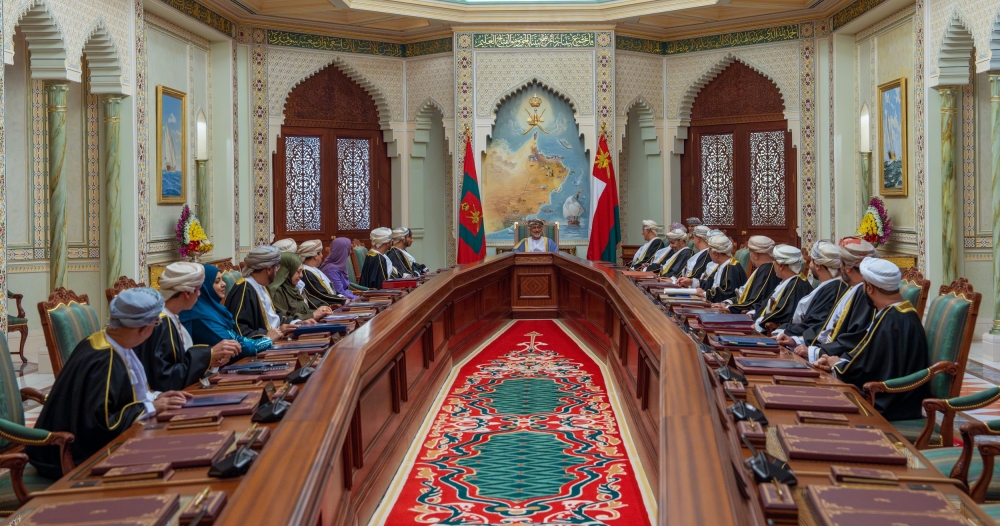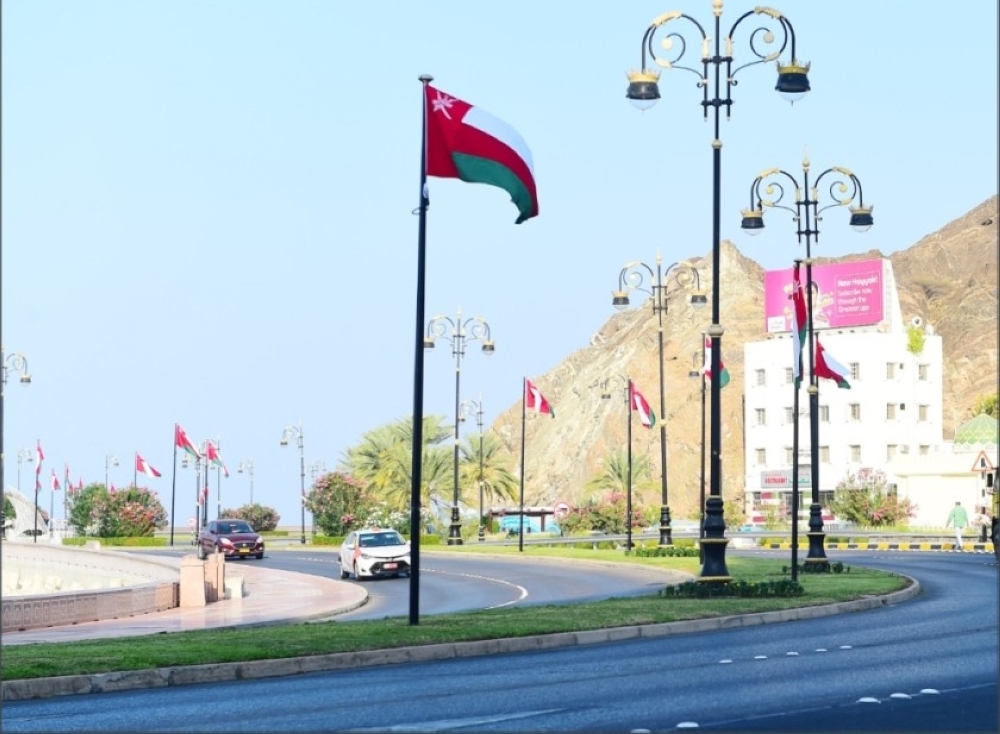





Muscat/GAZA: The Secretariat-General for National Celebrations announced that, in solidarity with the Palestinian people, the programme of the Sultanate of Oman’s 53rd National Day will be limited to a military parade under the Royal patronage of His Majesty Sultan Haitham bin Tarik, the Supreme Commander, and raising the flags of Oman.
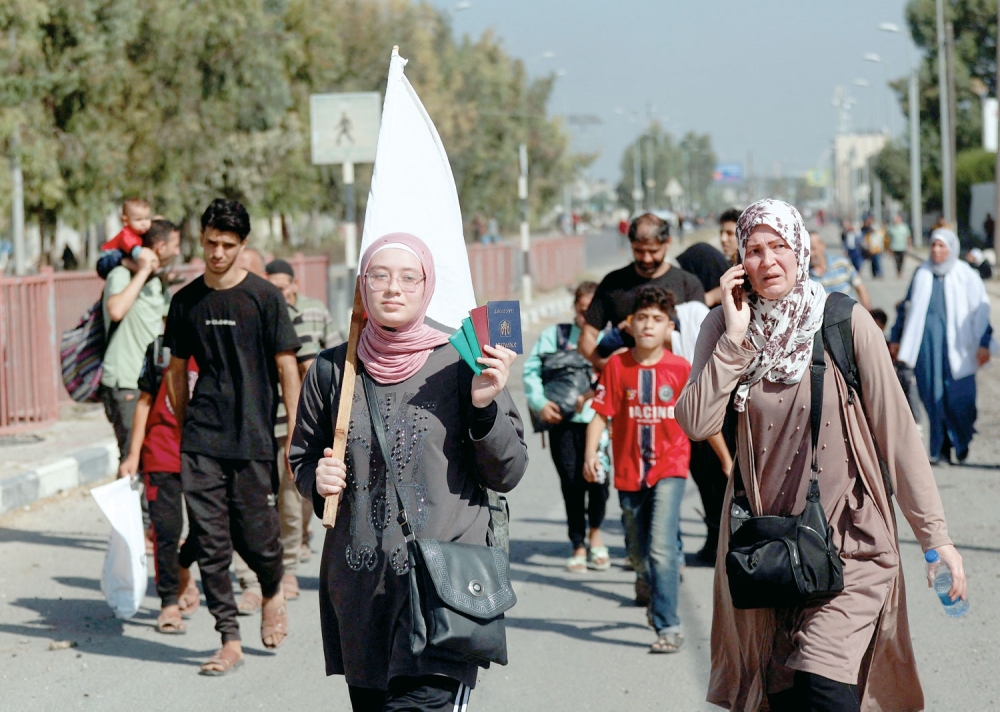
A month into Israel’s devastating military assault on the Gaza Strip, Palestinians stuck inside the besieged enclave face daily suffering of a scale, intensity and repetitiveness that have pushed some into fury and despair.
“I swear we are waiting for death. It will be better than living. We are waiting for death at each moment. It’s a suspended death,” said Abu Jihad, a middle-aged resident of Khan Younis in the south of the tiny, densely populated territory.
He was standing in a street close to a house flattened by an air strike that shook the neighbourhood awake in the middle of the night.
“We are not living. We need a solution. Either kill us all or let us live,” he said, raging at Israel and at the wider world which he accused of being silent and impotent.
Israel’s air, sea and ground onslaught has killed more than 10,000 people in the coastal strip, according to health authorities there. Israel has told residents of the northern part of the enclave, where its forces have encircled Gaza City, to move to the south for their own safety, but has been bombarding the south too, though less intensively than the north.
In Khan Younis and Rafah, two separate strikes on homes killed 23 people overnight, health officials said on Tuesday. At the site of the Khan Younis strike, a man carried the lifeless body of a tiny child, dressed in what looked like pink pyjamas, from the flattened ruin
of a home.
A young girl had survived but was trapped by a slab of concrete that had fallen on her legs. A group of men were using their bare hands to try and free her as an anxious crowd stood outside, calling out encouragements to the rescuers.
Ahmed Ayesh, a resident injured in the strike, walked out of the bomb site with a bloodied face and blood spattered over his T-shirt and one arm. He was visibly enraged as he spoke to reporters.
“This is the bravery of the so-called Israel. They show their might and power against civilians. Babies inside! Kids inside!” he said, jabbing his finger towards the ruin and raising his voice.
Row Of Corpses
At Nasser Hospital in Khan Younis, a row of corpses wrapped in white shrouds had been placed on the ground outside the door. From the length of the bodies, it was clear that some of the dead were adults and some were children. A woman in a red dress and beige head scarf broke down into uncontrollable weeping, her body folding forwards as a man tried to comfort her. A man in a black shirt crouched down and cried, his face reddened and contorted by anguish.
After a time, a group of men including medical staff in surgical scrubs and plastic aprons knelt down to pray alongside the bodies. In Rafah, also in the south, another all-too-familiar scene unfolded as men and boys lined up on a sandy expanse strewn with rubbish, where a single functioning hosepipe was the only source of water accessible to thousands of residents. A lengthy line of yellow, black, green and blue jerry cans were placed in a tidy line as people settled in for hours of waiting to get a meagre ration.
“Each person comes with a 20-litre container and shares it with the rest of his family. Every person gets four or five litres. It’s the same situation every day,” said Bakr al Kashef, a young man in a yellow jacket.
Oman Observer is now on the WhatsApp channel. Click here