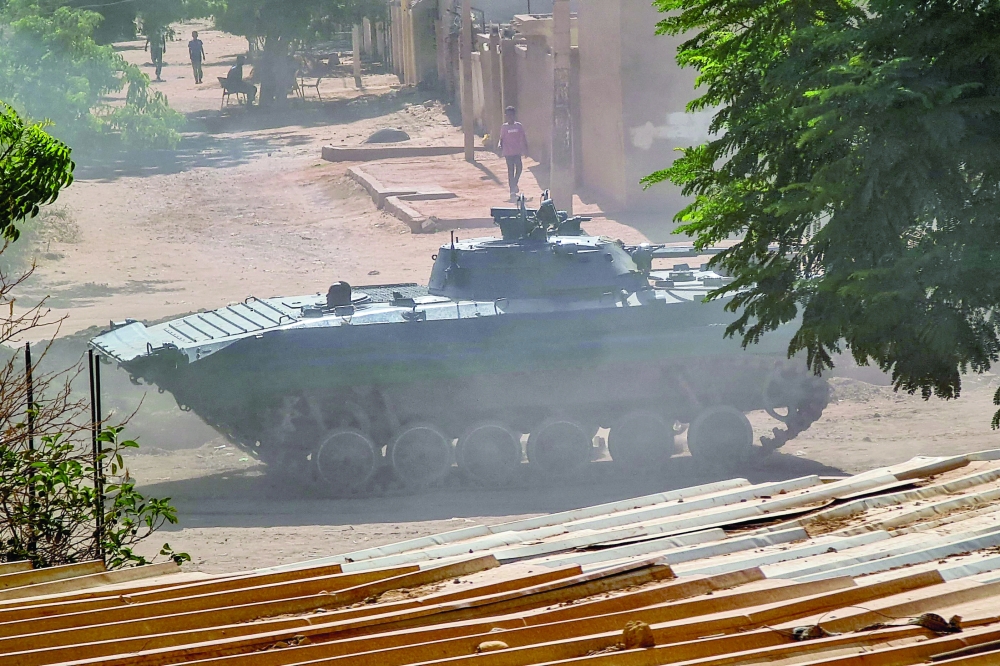
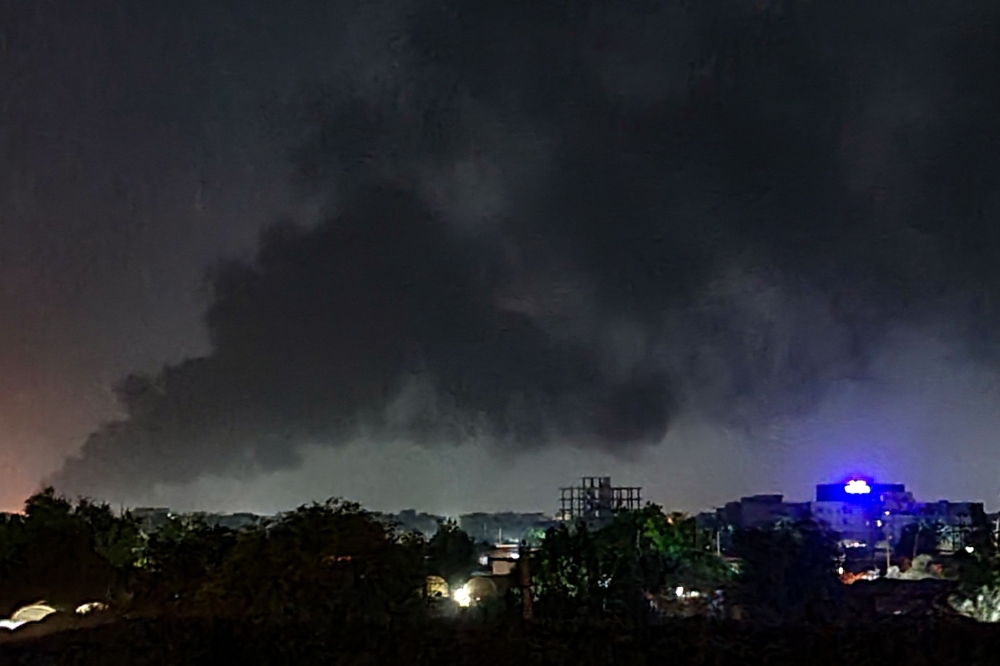
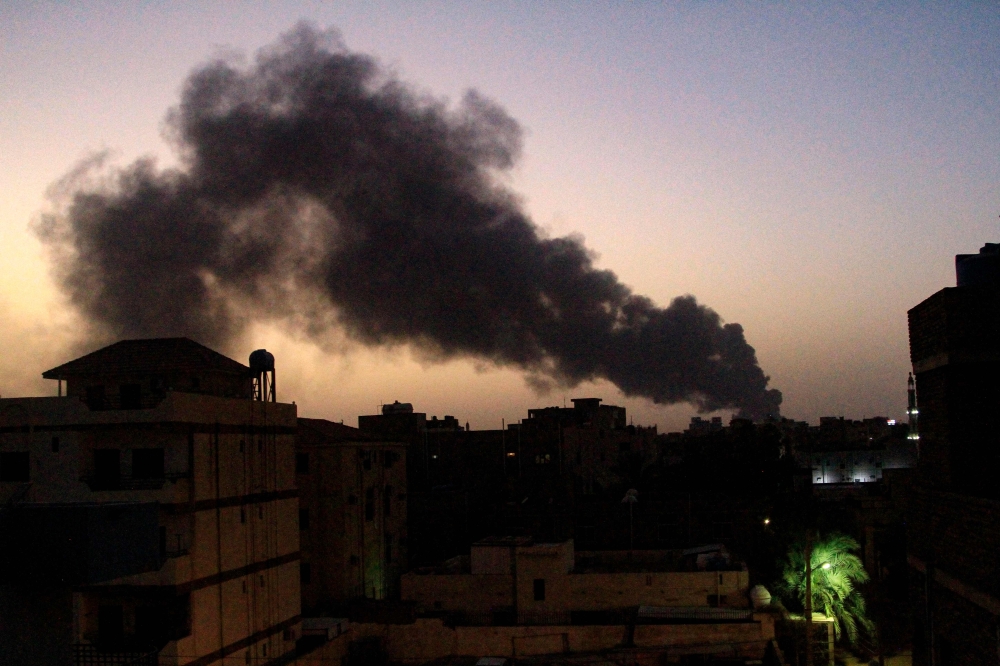
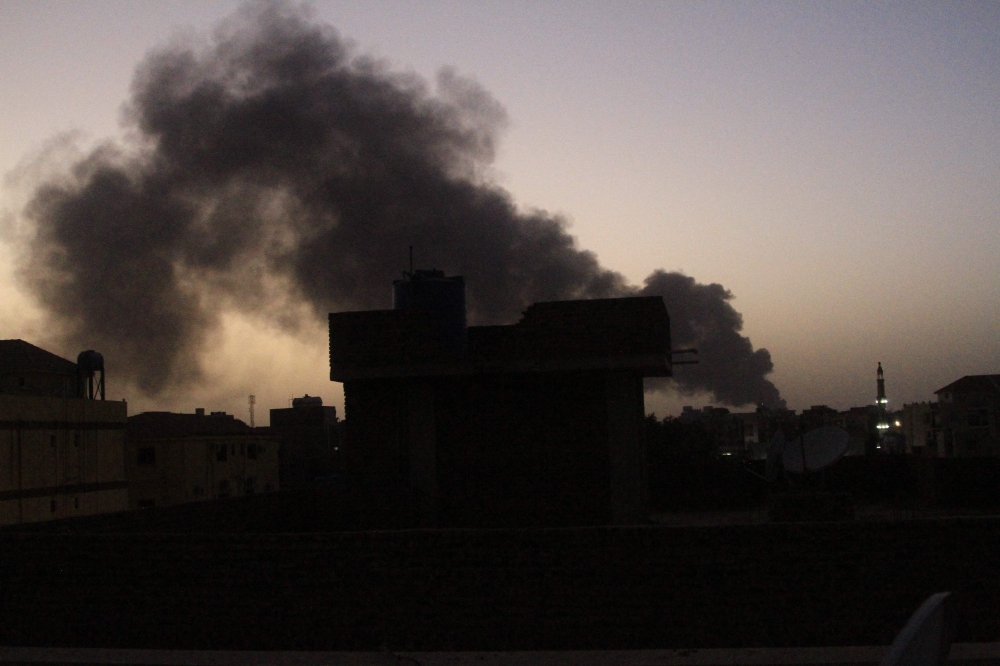
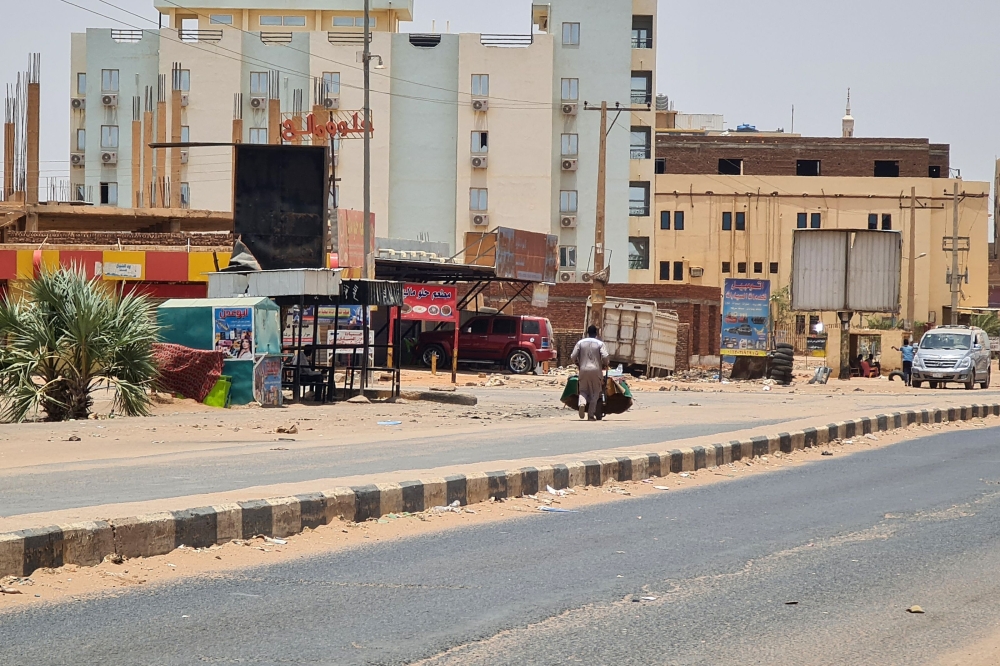





Air strikes hit outer areas of the Sudanese capital Khartoum overnight and on Saturday morning, as fighting that has trapped civilians in a humanitarian crisis and displaced more than a million entered its sixth week.
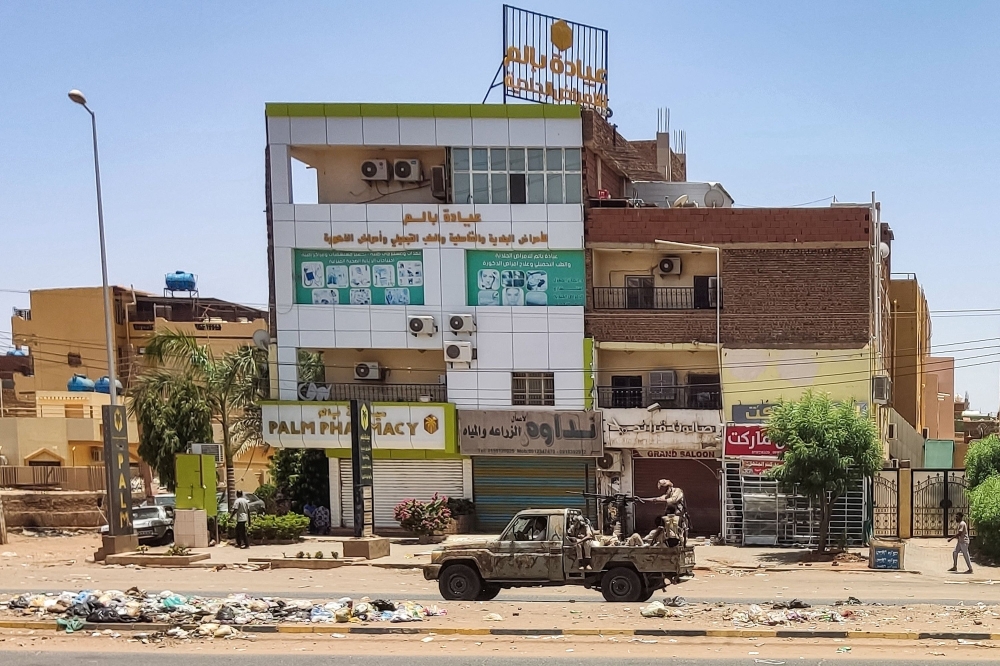
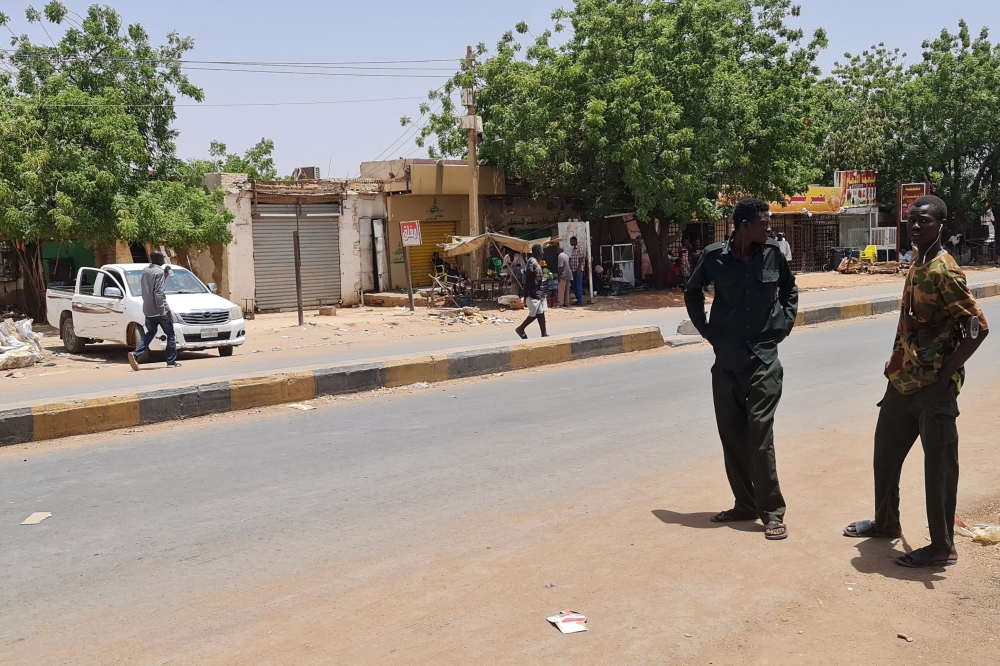
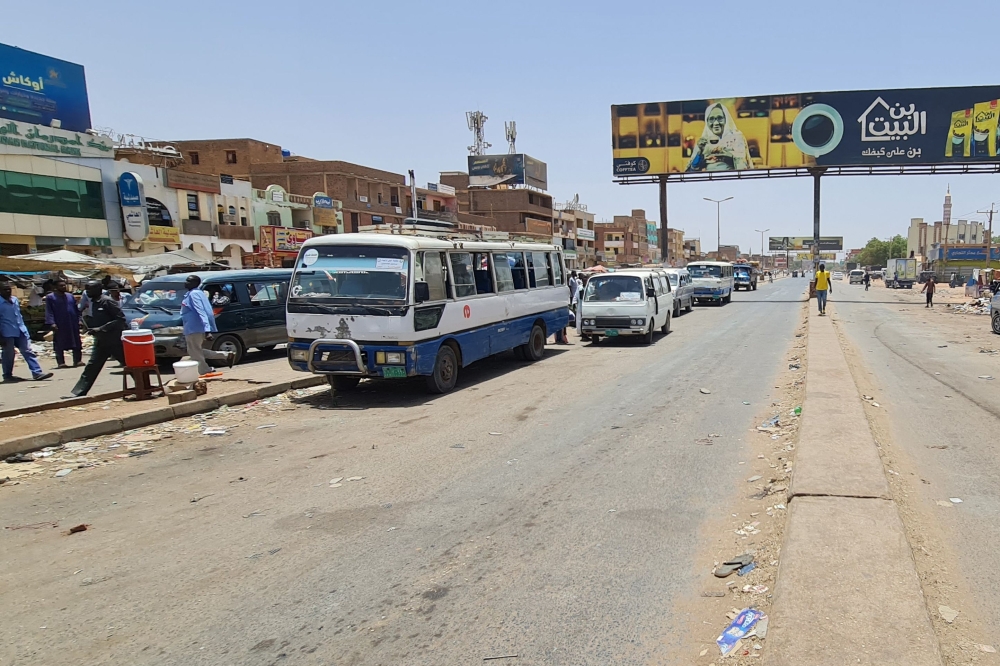
The fighting between Sudan's army and the paramilitary Rapid Support Forces has led to a collapse in law and order with looting that both sides blame the other for. Stocks of food, cash, and essentials are rapidly dwindling. Air strikes were reported by eyewitnesses in southern Omdurman and northern Bahri, the two cities that lie across the Nile from Khartoum, forming Sudan's "triple capital." Some of the strikes took place near the state broadcaster in Omdurman, the eyewitnesses said. Eyewitnesses in Khartoum said that the situation was relatively calm, although sporadic gunshots could be heard.
The conflict, which began on April 15, has displaced almost 1.1 million people internally and into neighboring countries. Some 705 people have been killed and at least 5,287 injured, according to the World Health Organization. Talks sponsored by the United States and Saudi Arabia in Jeddah have not been fruitful, and the two sides have accused each other of violating multiple ceasefire agreements. "We faced heavy artillery fire early this morning, the whole house was shaking," Sanaa Hassan, a 33-year-old living in the al-Salha neighborhood of Omdurman, told Reuters by phone.
"It was terrifying, everyone was lying under their beds. What's happening is a nightmare," she said. The RSF is embedded in residential districts, drawing almost continual air strikes by the regular armed forces. In recent days ground fighting has flared once again in the Darfur region, in the cities of Nyala and Zalenjei.
Both sides blamed each other in statements late on Friday for sparking the fighting in Nyala, one of the country's largest cities, which had for weeks been relatively calm due to a locally-brokered truce.
A local activist told Reuters there were sporadic gun clashes near the city's main market close to army headquarters on Saturday morning. Almost 30 people have died in the two previous days of fighting, according to activists.
The war broke out in Khartoum after disputes over plans for the RSF to be integrated into the army and over the future chain of command under an internationally backed deal to shift Sudan towards democracy following decades of conflict-ridden autocracy. The U.S. Agency for International Development (USAID) announced late on Friday more than $100 million to Sudan and countries receiving fleeing Sudanese, including much-needed food and medical aid.
"It's hard to convey the extent of the suffering occurring right now in Sudan," said agency head Samantha Power.
Oman Observer is now on the WhatsApp channel. Click here