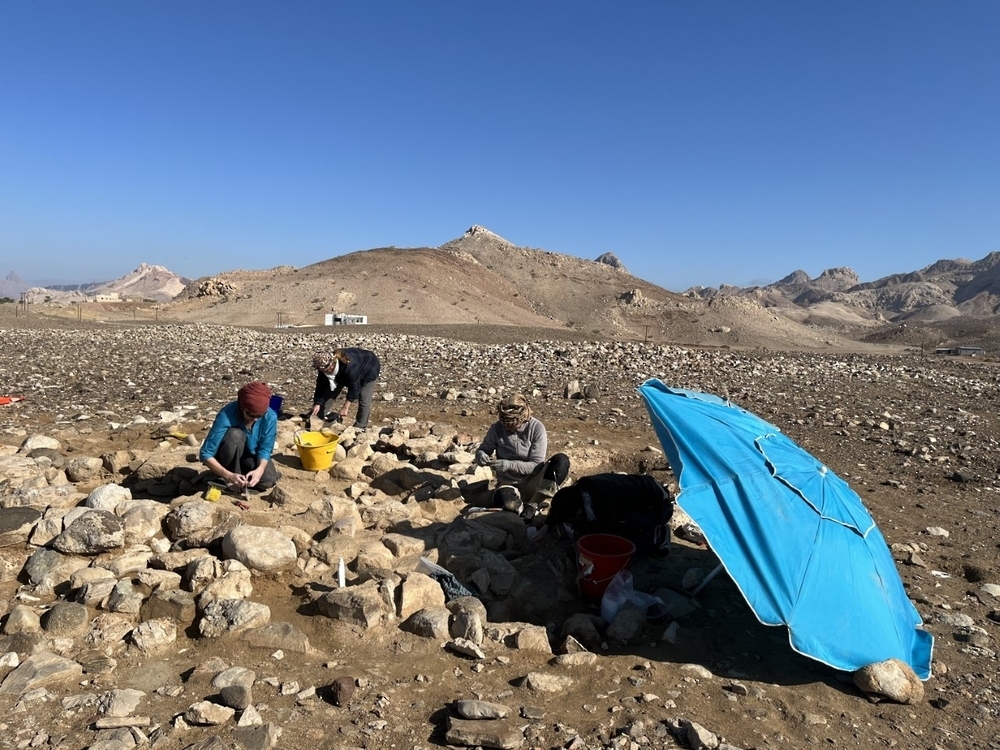
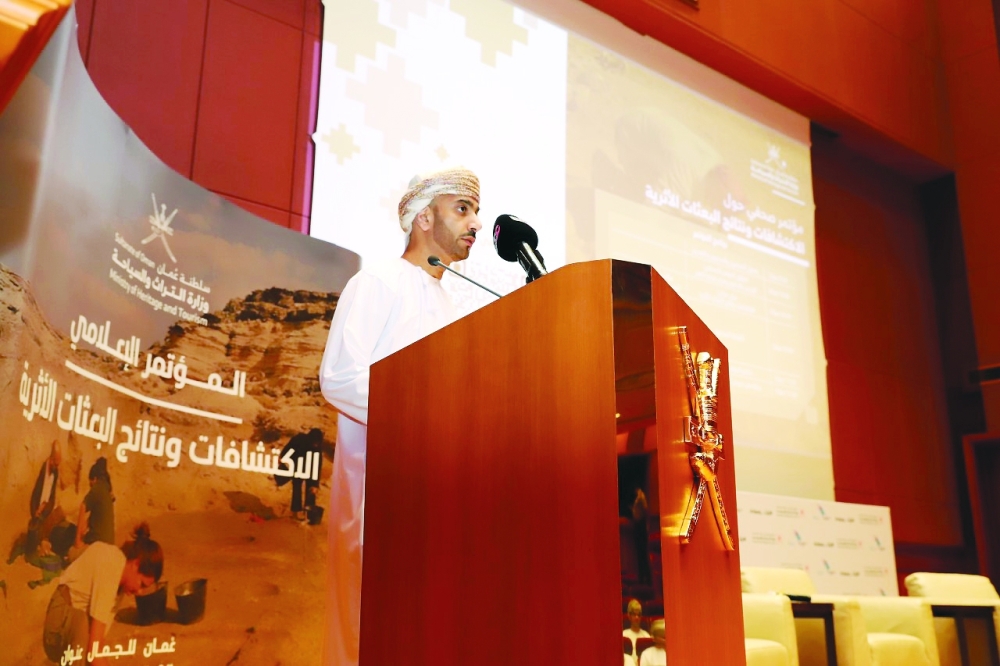





MUSCAT: The archaeological missions during 2022/2023 season saw participation of 28 archaeological missions from 12 countries.
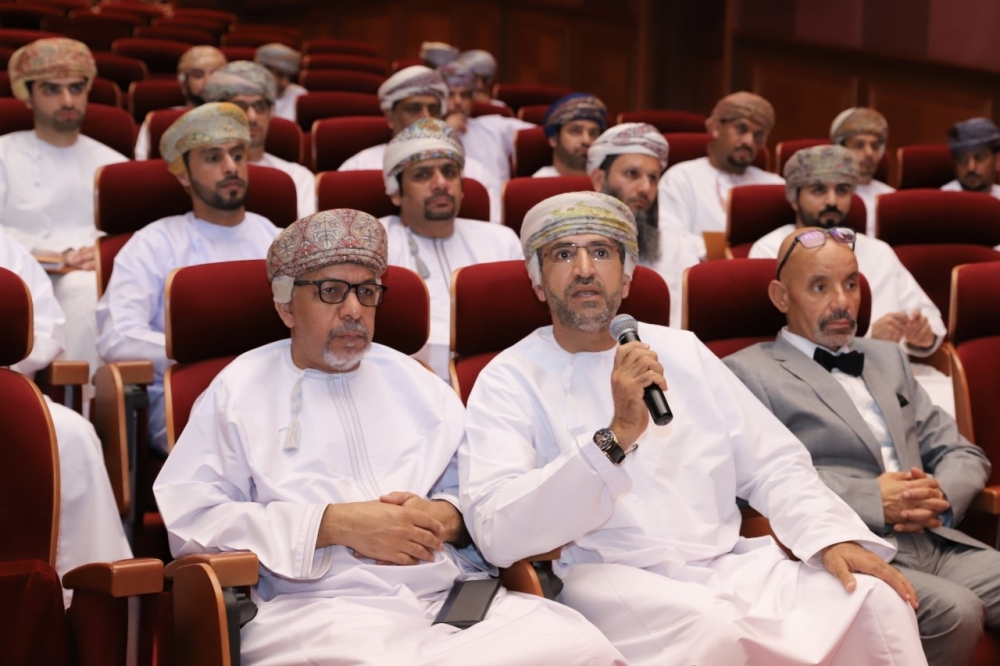
This was revealed by the Ministry of Heritage and Tourism on Wednesday at a press conference on major outcomes of the programme of archaeological missions.
The conference underlined the ministry's efforts to protect and highlight the archaeological heritage of the Sultanate of Oman. It seeks to maximise gains from Omani heritage components and utilise them as tourism attractions. A recent survey unearthed important data at more than 68 archaeological sites dating back to epochs of the early Stone Age.
Many important archaeological sites dating back to different eras have been discovered, including the sites of Ras Al Hamra, Bat, Al Khutm, Al Ain, Besya, Salut, Al Baleed, Khor Rori, Al Safa and Qalhat, while various important archaeological holdings were discovered in these sites dating back to local and neighbouring civilisations, which indicates the historical and cultural depth of Oman.
The archaeological sites and collections are considered among the most prominent tourist destinations which enrich tourism in the Sultanate of Oman through museums and the establishing of visitor centres in archaeological parks, while the outputs of archaeological excavations also contribute to providing the National Museum and other museums affiliated with the ministry with archaeological holdings as well they could be displayed in local, regional and international exhibitions and museums.
During the conference, a visual display was presented on the history of archaeological research in Oman, discovered sites, major archaeological missions and approaches undertaken by the ministry as part of this programme.
The visual presentation revealed rock drawings of animals and people. It depicted the experiences and conditions lived by prehistoric inhabitants.
The visual presentation clarified that the first archaeological missions were the Danish one in 1972, which discovered the Wadi Suq cemetery, which consisted of 430 graves, it also implemented surveying and excavation works at the Bat site, followed by the American Harvard University mission during the period of 1973 to 1976, which discovered 180 sites, including the settlement of Wadi Ibra and Bahla BB-19, BB21 and a surveyed at Arja in Wadi Al Jizzi as well.
It also clarified that the British archaeological mission during the period of 1971, 1973 and 1978 has discovered 79 sites and carried out excavations works in Salut, Samad Al Shan and Al Missar (which date back to the third millennium BC). The Italian-French archaeological mission and the German mission worked to excavate various archaeological tombs which were rich in funerary artefacts and had a large number of ancient settlements, sites and towers as well as discovered copper mining sites dating back to the third millennium BC (the Bronze Age – in the Majan Civilisation period).
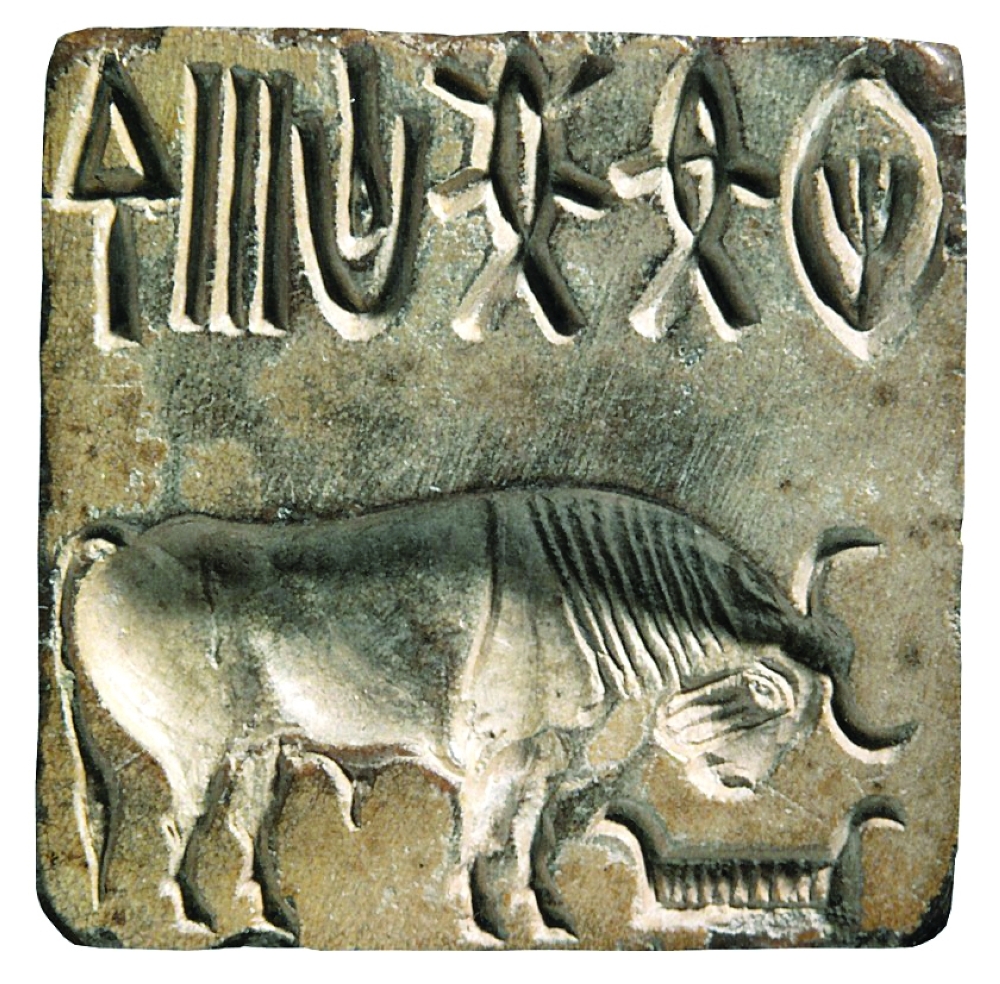
Archaeological surveys also discovered rock drawings of animals and people which reflect the experiences and situations that the first inhabitants were exposed to, some of which date back to the seventh millennium BC. It has also found some proving shreds of evidence documenting ancient communication between Oman and the countries of Sindh and Mesopotamia. These evidences include seals, utensils, and bitumen from Mesopotamia. These archaeological surveys also provided scientific evidence confirming that (Majan), whose name appears in the documents of the kings of Mesopotamia, it is the Sultanate of Oman. It has also documented the ancient defensive elements, including Laziq Castle in Samad Al Shan, which is approximately 3,200 years old, as well as registered four archaeological sites in the World Heritage List.
The evidences document ancient communication between local inhabitants and other nations in the Indus Valley and Mesopotamia. Besides finds like seals and utensils from Mesopotamia, the presentation touched on surveys conducted in various areas of the Governorate of Dhofar.
Oman Observer is now on the WhatsApp channel. Click here