




The Ministry of Heritage and Tourism marked World Heritage Day on Monday, underlining the importance of protecting human civilisation.
According to the ministry, there are 29,860 archaeological sites, 3,404 castles, forts and historical monuments in the Sultanate of Oman, and five sites registered in the World Heritage List of the United Nations Educational, Scientific and Cultural Organisation (UNESCO).
The decision to mark the World Heritage Day was based on the International Council on Monuments and Sites (ICOMOS) proposal, which the General Assembly officially approved of UNESCO in 1983.
This year’s celebration was under the theme ‘Heritage and Climate’ in recognition of the role of climate change in the world and its impact on cultural and natural heritage, and it is an invitation to countries around the world to reduce greenhouse gas emissions to preserve this global heritage.
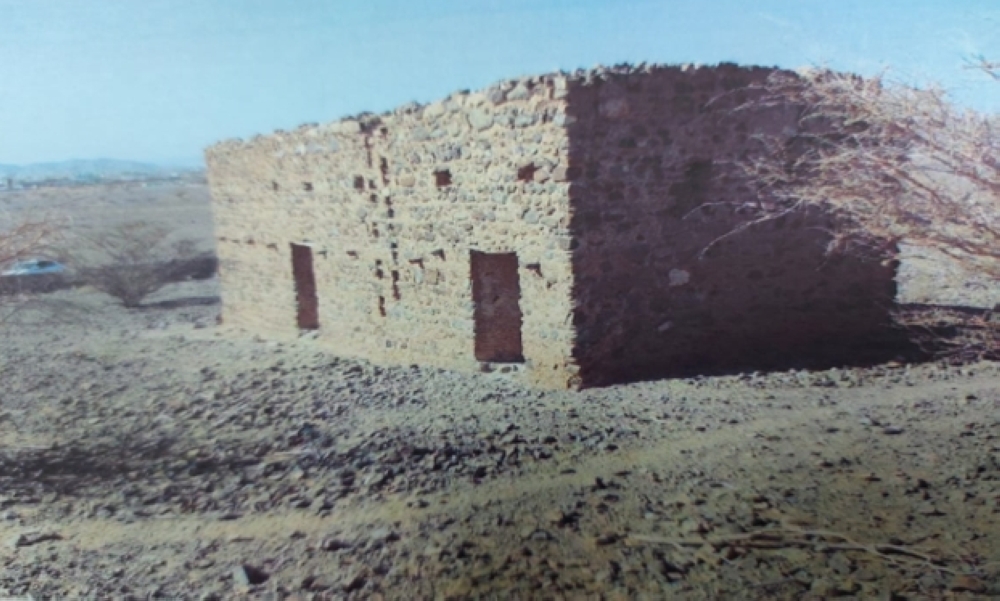
On the occasion, the ministry highlighted the most important discoveries of recent times – the old health quarantine chambers that are found in several governorates of the country.
“Omanis were aware of the importance of sanitary isolation for patients infected with contagious diseases so that it does not spread among the population. Nearly 81 quarantine chambers have been documented until the end of 2021, in cooperation with the offices of the walis,” the ministry said.
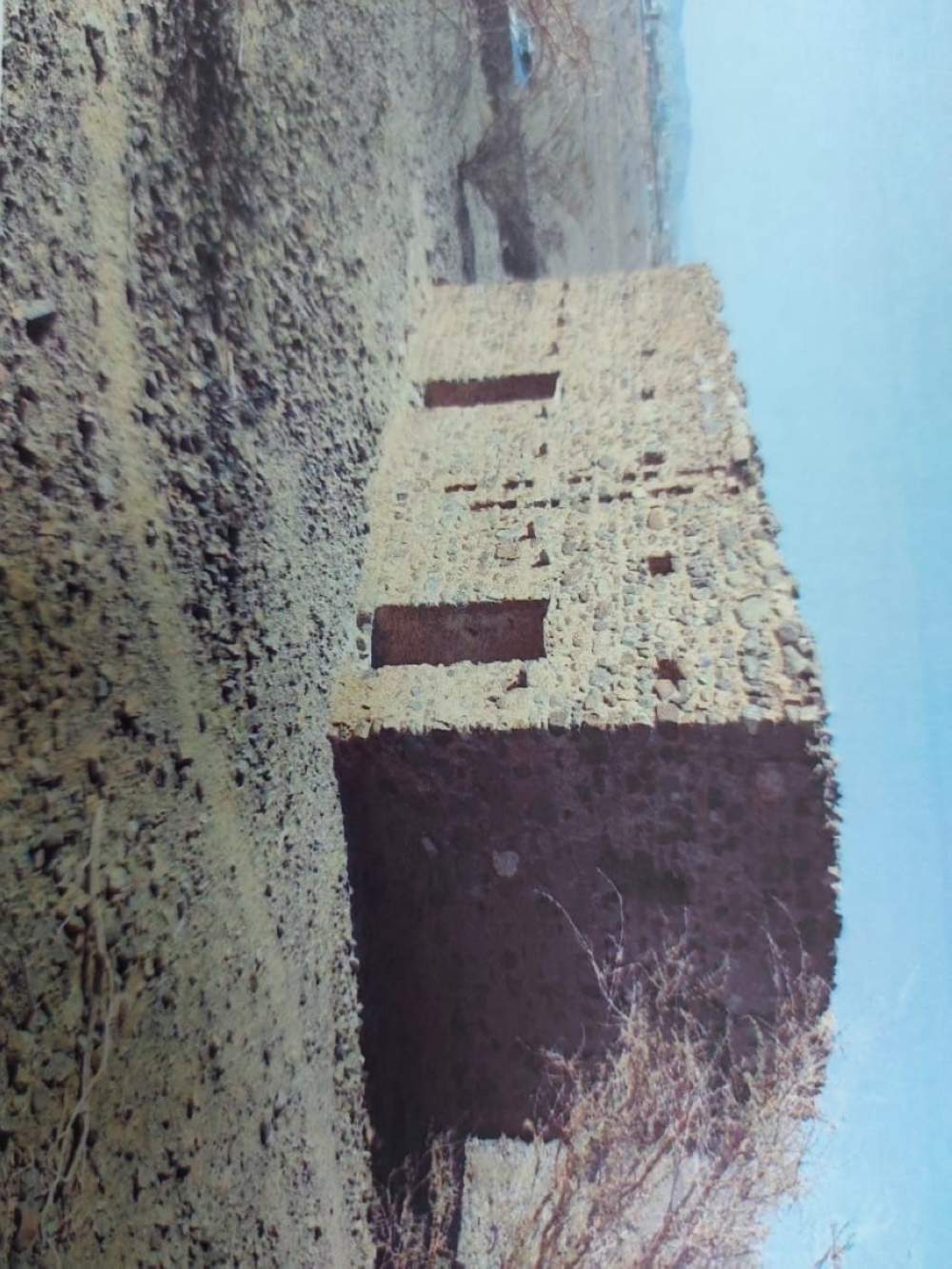
These quarantine chambers are found in caves or specially constructed buildings - the most prominent landmark is in the Wilayat of Ibra in North Al Sharqiyah Governorate. It is a rectangular building with three rooms, built of plaster and gravel, over 100 square metres.
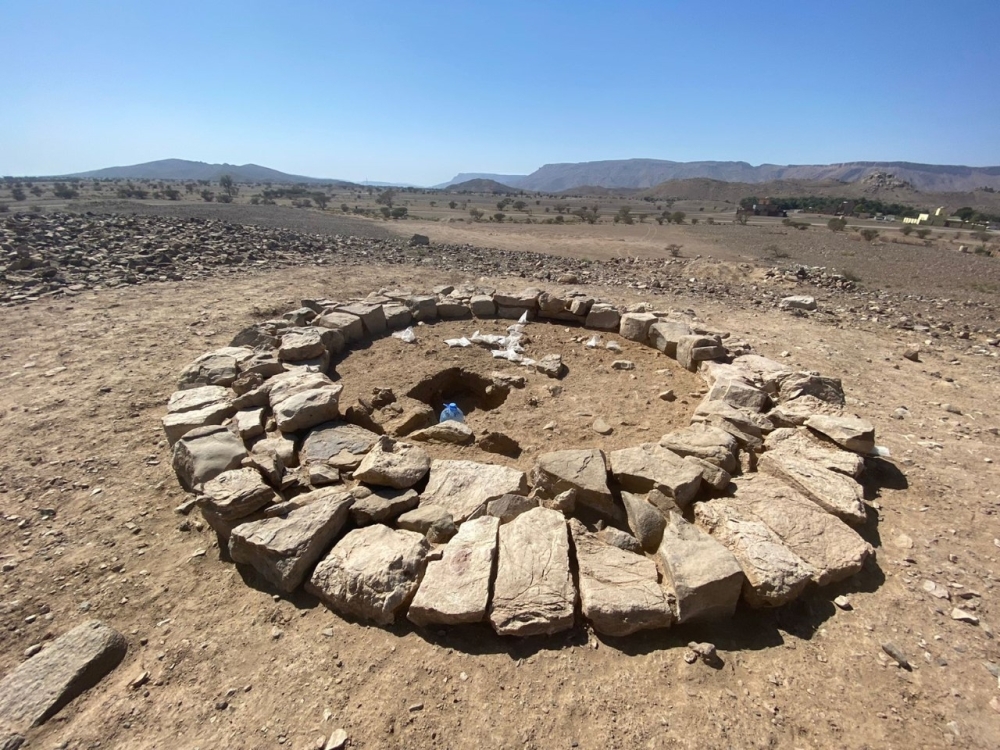
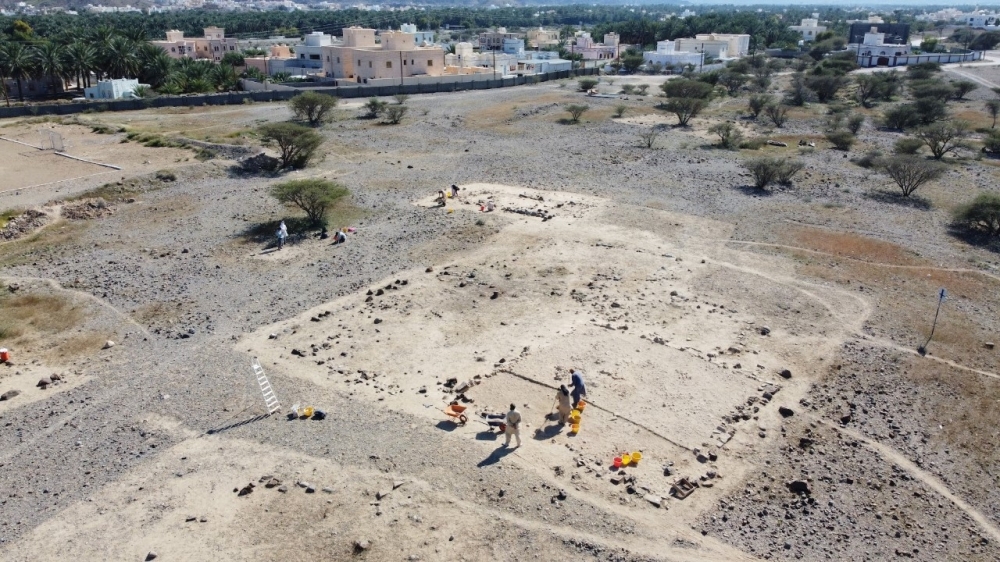
In cooperation with a joint mission from Sultan Qaboos University and the University of Pisa, the Ministry of Heritage and Tourism has discovered a sophisticated settlement that dates back more than 4,000 years and includes several buildings and cemeteries.
The results of the archaeological excavation showed that the site was inhabited for the first time during the Early Bronze Age.
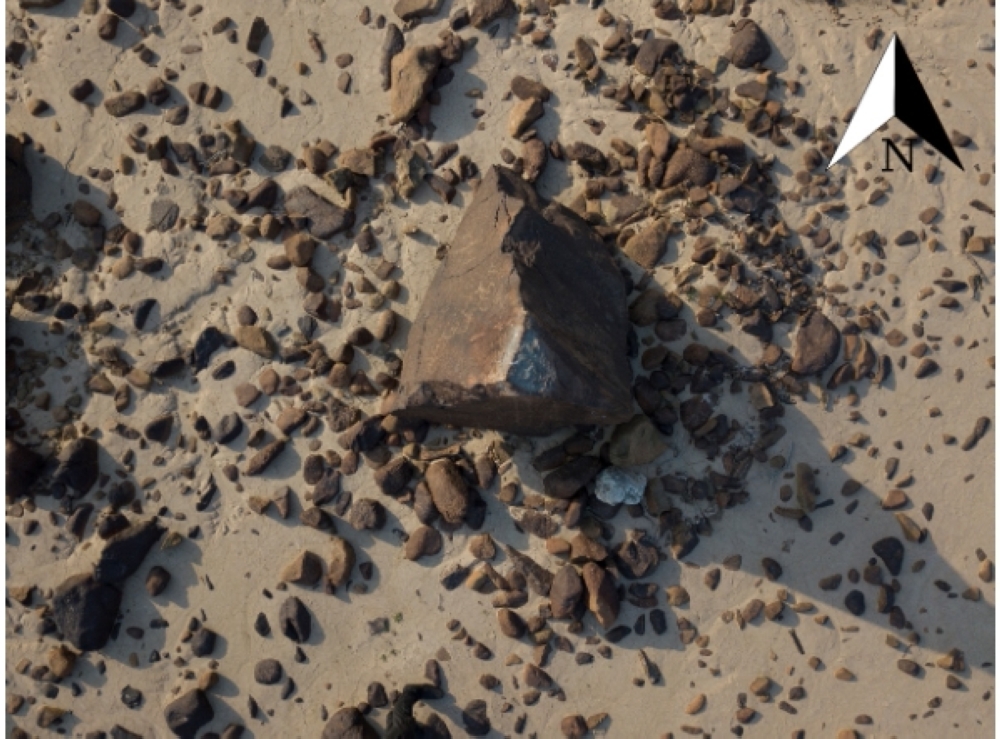
The Salut Fort in Bisya, Bahla, is one of the most important archaeological sites in Oman, and it is situated on the ancient copper trade linked to its contemporary sites in Bat, Al Khashbah, Ras al Hadd and other locations.
The Salut Fort was built likely in 1300 BC and consists of rooms, buildings made of mud bricks, and other landmarks.
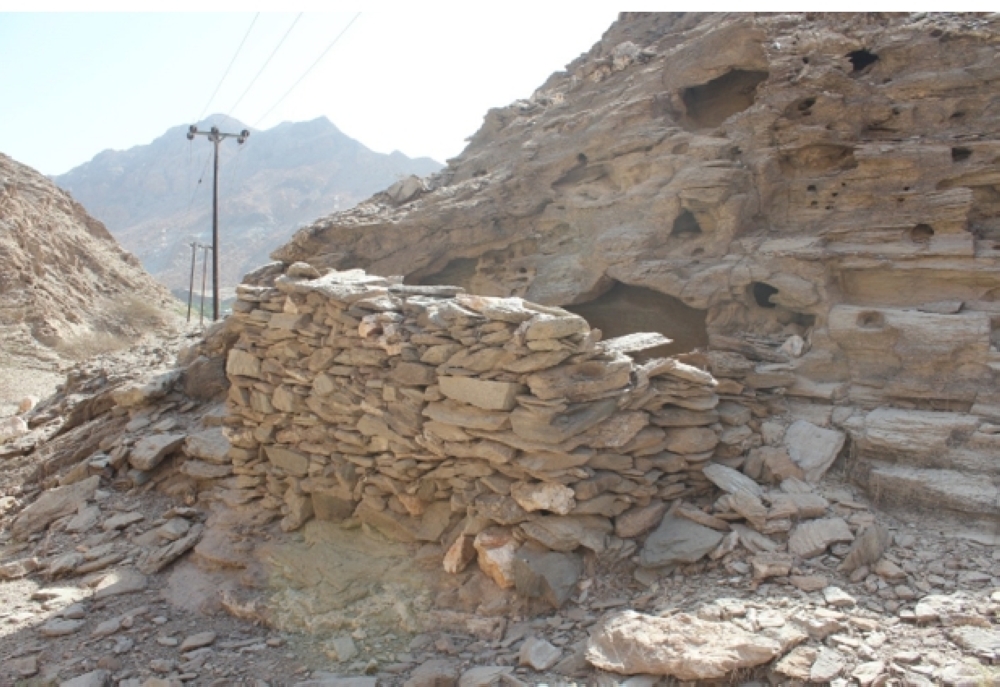
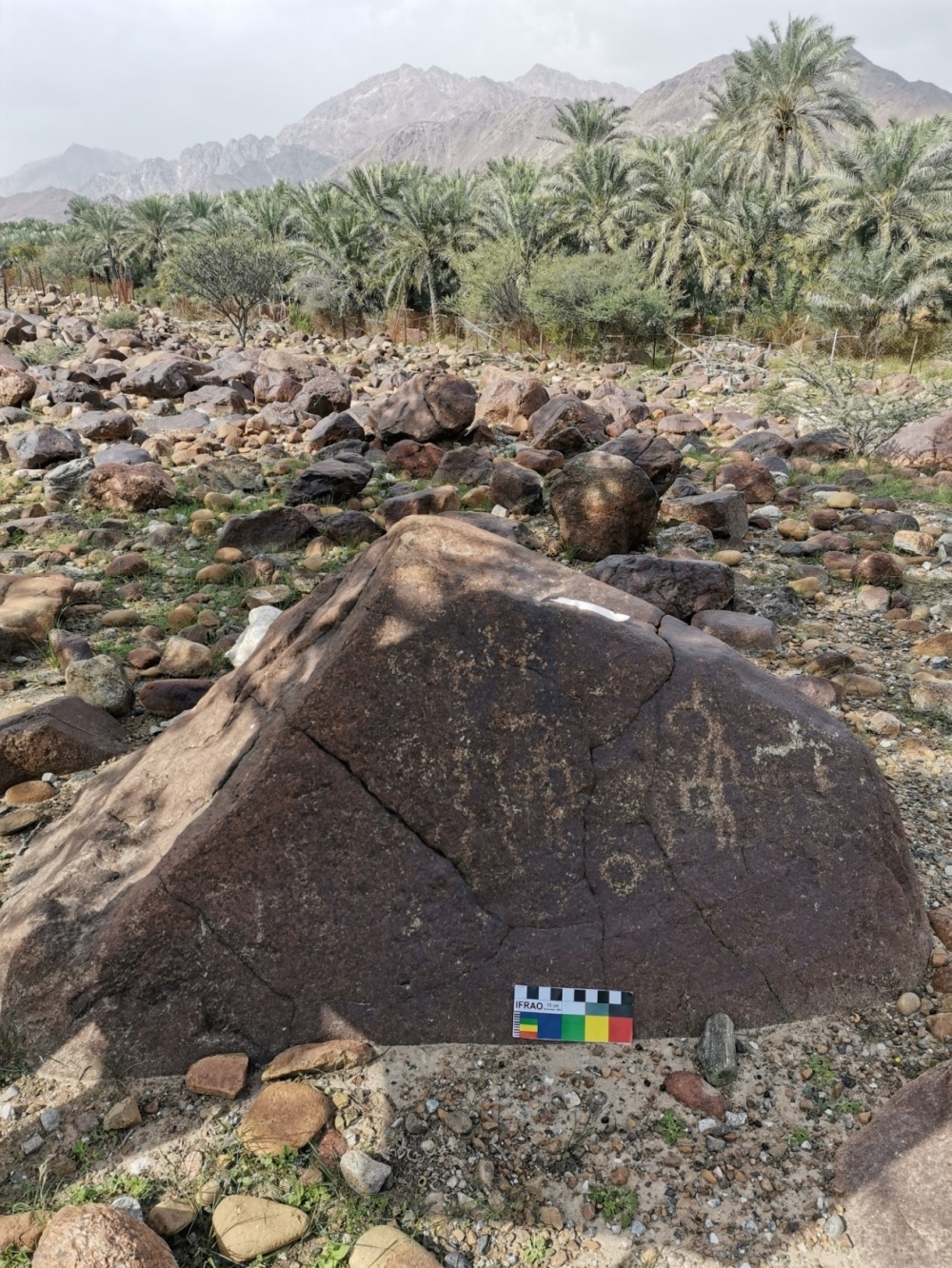
The Musandam Governorate is characterised by a unique landscape, mountains and coastline. Studies have documented rock art sites in the Musandam Governorate.
Based on different settlement patterns, rocks have been found with paintings that demonstrate the use of rock art to preserve property by the mountain people.
These rock art paintings showed that the local population used them as a guide while taking animals to grazing grounds.
Another heritage site is that of the shipwreck in the waters of Mirbat in the Dhofar Governorate.
The people of the Wilayat of Mirbat rescued the passengers of the ship and took them to the coast. Most of the passengers were brought safely to the shores before the fire broke out in most parts of the ship, which was in flames all that night before it sank 300 yards from the beach.
@vinot_nair
Oman Observer is now on the WhatsApp channel. Click here