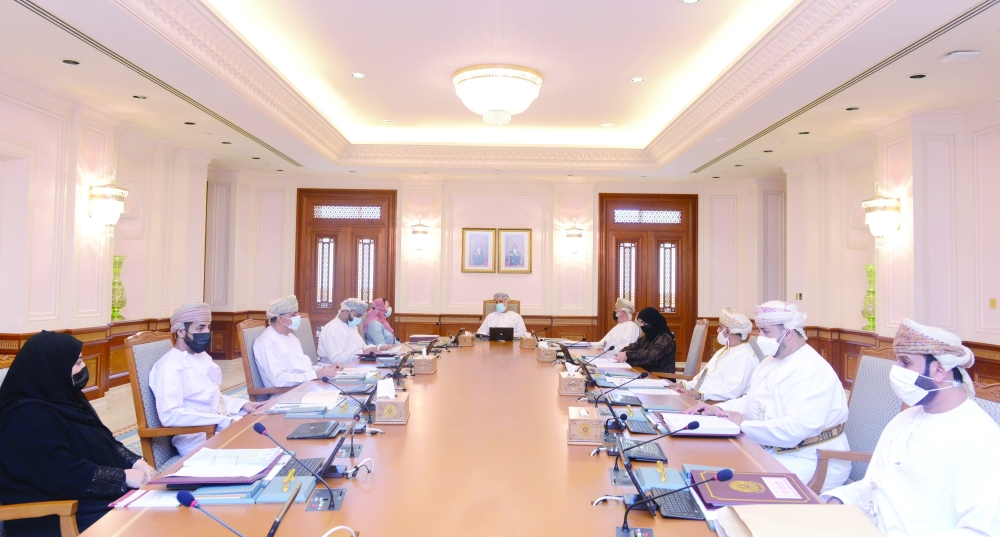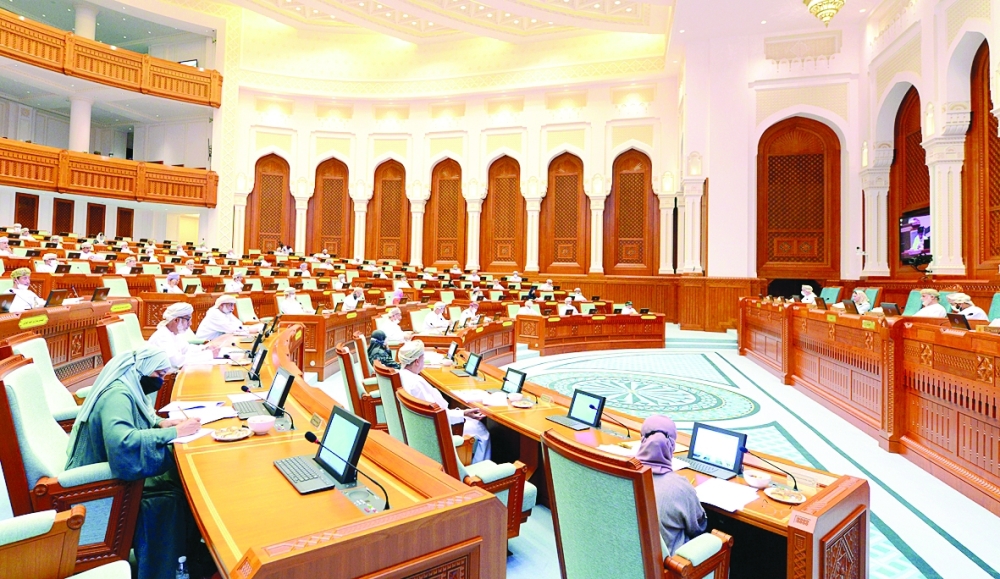





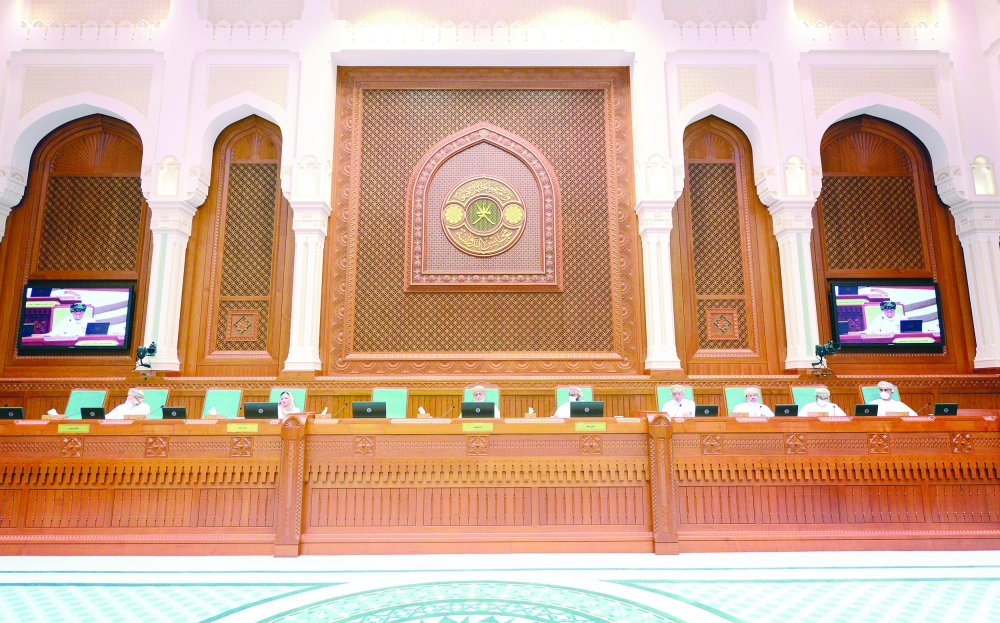
Muscat: The State Council approved four studies submitted by the council’s standing committee at its fourth regular meeting held under the chairmanship of Shaikh Abdul Malik bin Abdullah al Khalili, on Wednesday. The State Council approved a study on ‘enhancing water, desert and mountain sports’ submitted by the Social Committee in addition to two studies submitted by the Technology and Innovation Committee on the system of the Cyber Defence Centre promulgated by Royal Decree 64/2022 and regulatory and legislative frameworks of the artificial intelligence technology. The council also approved a proposal submitted by the Economic Committee on ‘enhancing the legislative and regulatory frameworks of real estate financing, financial leasing and consumer financing activities’.
The council also approved a proposal entitled ‘agricultural sector: economic returns and competitiveness’ submitted by the Economic Committee.
The approval of the four studies followed elaborate discussion taking into consideration the observations of the council’s members.
Ahmed bin Ali Al Amri, Chairman of the Social Committee delivered a statement in which he explained that the study aims to shed light on the legislative and regulatory framework, and the economic importance of water, mountain and desert sports and to identify the reality and challenges facing this type of sports. He noted that the study provides suggestions and recommendations that contribute to promoting economic, social, and health aspects.
Al Amri noted that the results of the study and the hosting made by the committee for governmental and private stakeholders, revealed that these sports face many setbacks, adding that the committee came up with many recommendations and legislative, institutional and organizational visions to overcome these challenges.
Dr Mariam bint Abdullah al Awadiyah, head of Technology and Innovation Committee, delivered a statement on the system of the Cyber Defence Centre. In her statement, she explained the justifications and objectives of the study which include lack of clarity in cybersecurity in the Sultanate of Oman and its consistency with the national goals of Oman Vision 2040 which targets to create advanced technology that enables all sectors to cope with the developments and challenges of cybersecurity.
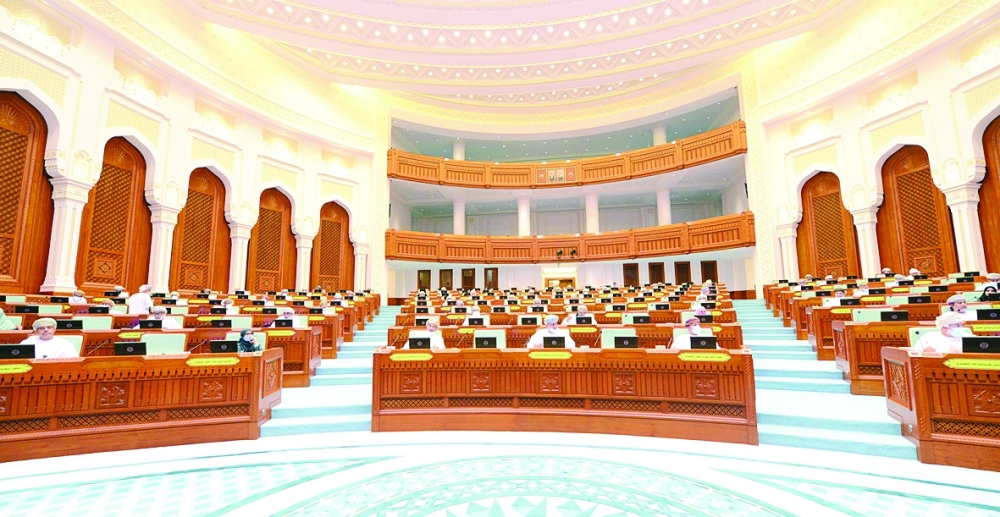
She noted that the study was aimed at highlighting the system of the Cyber Defence Centre promulgated by Royal Decree 64/ 2020, and proposing amendments to the system to serve as a general legislative framework that clarifies the obligations that should be undertaken by the concerned authorities and the mechanisms of cyber security governance.
Regarding the committee’s study on the regulatory and legislative frameworks of the artificial intelligence technology, the head of the committee explained that the study was aimed at identifying the reality of artificial intelligence in the Sultanate of Oman and to foresee its future inspired by the approach adopted by His Majesty the Sultan expressed in his speech delivered in February 2020 stressing the importance of projects based on artificial intelligence and follow-up on its progress and the inclusion of AI into Oman Vision 2040 and the strategic programmes of the Tenth Five-Year Development Plan (2021-2025).
The study came up with several recommendations including reviewing the regulatory and legislative enablers, creating a specialized national entity tasked with planning, organizing and following up on implementation as well as building national capacities and competencies.
Regarding the Economic Committee’s study on ‘enhancing the legislative and regulatory frameworks of real estate financing, financial leasing and consumer financing activities’, Shaikh Mohammed bin Abdullah al Harthi, head of the committee delivered a statement underscoring the importance of the availability of financing for the implementation of investment and development projects, the efficiency of the financing sector, reducing the cost, developing risk management, facilitating the flow of goods and services, and boosting the national economy to address unexpected financial crises and maintaining macroeconomic stability. All that is linked to the existence of a coherent policy framework, effective regulations, sound regulatory and supervisory environments, and awareness of the capabilities of non-bank financial institutions in enhancing the capabilities and competitiveness of the financial sector and the services and financial tools they provide to individuals and small and medium enterprises.
Oman Observer is now on the WhatsApp channel. Click here