




KABUL: After spending 13 years as a Taliban fighter waging an insurgency, Rahimullah is now slowly adjusting to the relatively ordinary role of a policeman in Afghanistan's capital.
Like the rest of the Taliban, he is grappling with an awkward transition from rebel fighter to civilian patrolman, as the hardliners vow security and build a new police force.
Kabul residents say street crime has dropped, with widespread fear rooted in memories of the Taliban's regime in the 1990s, infamous for harsh punishments such as public stoning, lashing and amputations.
"This is not risky work," says Rahimullah, who joined the Taliban as a teenager.
The 28-year-old from neighbouring Wardak province, along with his team of eight men, has the task of managing security in a central Kabul district. His work involves "catching thieves, murderers and those who drink wine", he says, which was allowed to accompany a patrol overseen by a more senior Taliban official.
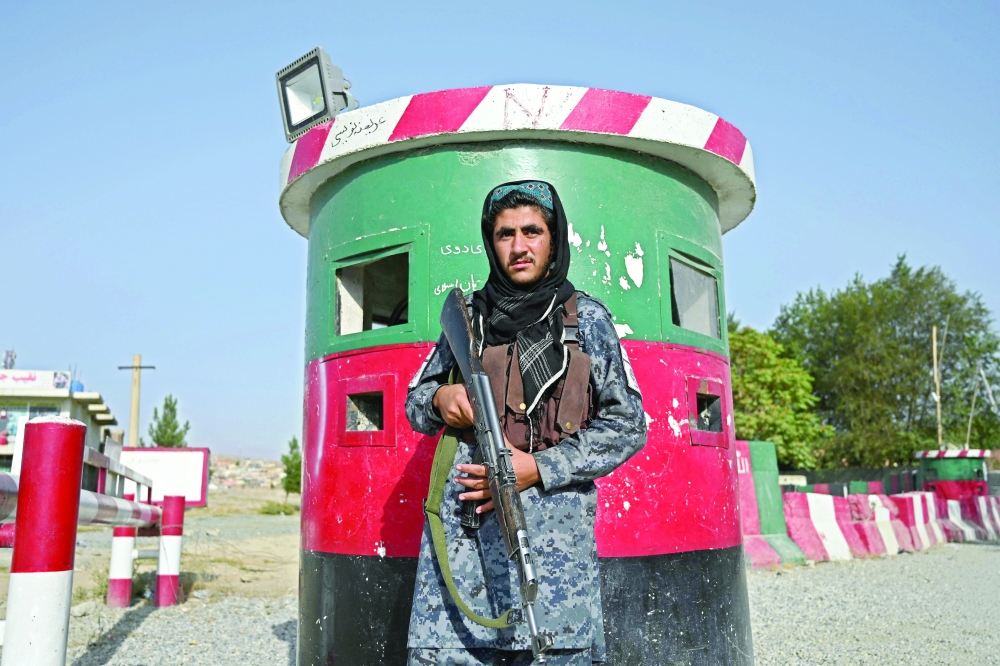
Some of his colleagues appear unsure of how to navigate their new role in a city far from their previous lives in the much more conservative countryside. "It's not our favourite job, but it's our responsibility," admits the Taliban commander overseeing the patrol. Instead of the jackets and trousers formerly worn by officers, many Taliban forces don traditional Afghan dress, called shalwar kameez.
Some have had new versions made from the blue-and-black camouflage material used in old Afghan uniforms.
At one station, in Kabul's 10th district, the emblem of the previous police force can still be seen, near the Taliban's white and black banner. Taliban punishments have already been on display in some parts of Afghanistan -- last week, the bodies of four suspected kidnappers were hung from a crane in the city of Herat.
The old police force, created by the international powers that drove out the Taliban in 2001, no longer exists.
It collapsed when the Taliban swept back into power on August 15, as former police and civil servants fearful of revenge and abuse scurried into hiding or fled the country.
The Taliban authorities are eager to keep their promise of strict law and order in the new Afghanistan, where the justice system under the US-backed government was plagued by corruption and inefficiency.
"There is a training programme under way, and there will be professionals at all levels," said interior ministry spokesman Qari Sayed Khosti, who has invited former police personnel to return.
The new force already counts about 4,000 men in the capital, says Kabul police spokesman Afez Sirajuddin Omeri, insisting the city is far safer than before.
"Under the previous government, there were 300 to 400 crimes reported each day. Now in total they report around 15 a day," said Omeri as he drove a dusty old Toyota Corolla through the city, his car radio playing religious songs.
It is not possible to independently verify those numbers, but Kabul residents generally agree that robberies and kidnappings, previously rampant, have eased. With the war between the collapsed Afghan security forces and Taliban now over, bombings -- largely carried out by the insurgent group -- have also dramatically decreased.
For the new policemen though, it can be challenging to go from a life immersed in extreme violence to maintaining law and order. But Yahya Mansoor, 25, on duty at a checkpoint in eastern Kabul, says he does not miss fighting and is eager to "serve the people".
"Before we served them by making jihad," he says. "Now we are rebuilding our country." - AFP
Oman Observer is now on the WhatsApp channel. Click here