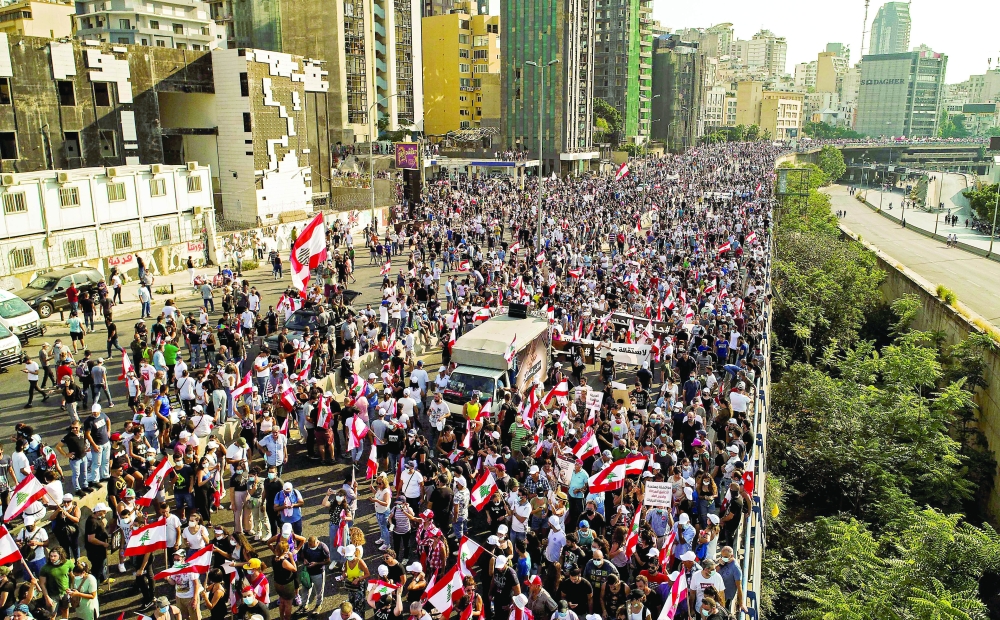





BEIRUT: Lebanon’s leading Christian cleric said there could be no immunity from prosecution over the catastrophic Beirut port blast and that officials were evading investigation, as many Lebanese marked the first anniversary by demanding justice.
As Lebanon suffers a crippling economic collapse, Maronite Patriarch Bechara Boutros Al Rai also criticised the ruling class for failing to deal with the crisis - criticism echoed by Western powers at a Paris donors’ conference.
One year since the blast, caused by a huge quantity of ammonium nitrate kept at the port for years, no senior official has been held to account, infuriating many Lebanese.
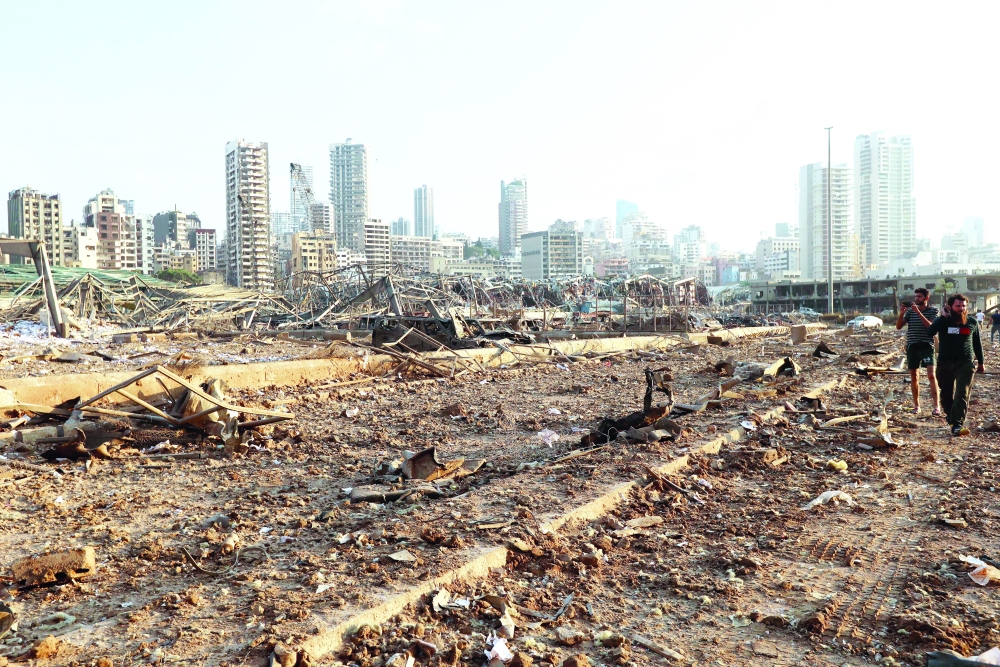
One of the biggest non-nuclear explosions ever recorded, the blast killed more than 200 people, wounded thousands and was felt in Cyprus, more than 240 km away.
Thousands of people, many holding pictures of the dead and waving Lebanese flags, gathered near the port.
As a memorial service got underway at the port, water cannon and tear gas were fired at protesters who threw stones towards security forces near parliament. Eight people were wounded, the Red Cross said.
An investigation is stalling, with requests denied for immunity to be lifted from senior politicians and former officials. All those sought for questioning by the Lebanese investigators have denied any wrongdoing.
The chemicals arrived on a Russian-leased cargo ship that made an unscheduled stop in Beirut in 2013. An FBI report seen by Reuters last week estimated around 552 tonnes of ammonium nitrate exploded, far less than the 2,754 tonnes that arrived.
“It is shameful that officials evade the investigation under the cover of immunity,” Al Rai, Lebanon’s most senior Christian cleric, said during a mass at the port.
“All immunities fall in the face of the victims’ blood, there is no immunity against justice.”
“We want to know who brought in the explosives ..., who allowed for their unloading and storage, who removed quantities of it and where it was sent.”
French President Emmanuel Macron said Lebanese leaders owed the people the truth.
The damage is still visible in much of the capital, particularly the predominantly Christian districts of east Beirut that were most badly affected. — Reuters
Oman Observer is now on the WhatsApp channel. Click here