




A recent article by Dr Abdul Malik al Hinai, well-known Omani researcher in political economy and development issues, has highlighted the relationship between universities and scientific research, on the one hand, and investors and companies, on the other, and their need to develop technology.
Describing it as an old and enduring partnership, he points out that this relationship has been confirmed and consolidated by successive industrial revolutions, not starting with the steam machine or ending with robotics and artificial intelligence, but an inevitable and indispensable relationship for all parties aspiring for renewal and progress.
The oil and gas sector combines many of the characteristics and needs of the extractive and manufacturing sectors; oil exploration and extraction simultaneously require “logistical” means of management, systems and software, and various industrial materials and processes, including conversion from one physical form to another, such as liquidation or vice versa, all of which require ongoing research and development, and urgent solutions to the problems that arise.
Therefore, this sector provides a fertile environment for fruitful scientific cooperation between its companies and universities, says the researcher.
Dr Al Hinai cited at least three reasons why such cooperation is important: the first is that the oil sector constantly needs modern technology, from exploration through extraction and then transport and export.
Reason 2: Universities have human capital that is qualified to devise the right solutions to meet that need. The third reason is: the availability of financial resources to oil companies, which are known to spend generously or lavishly both on their needs and activities or to entertain their employees.
Companies operating in the oil sector have been blamed for exacerbating so-called economic dualism, particularly in developing and least developed countries.
One manifestation of economic dualism is the use of advanced technology in the oil sector, with other sectors remaining in the economy, such as agriculture, relying on traditional technology that has rarely evolved over the years.
The perception of oil companies, particularly in developing countries, has worsened because they have not contributed sufficiently to the transfer or development of those sectors and to increase their productivity.
Several decades ago, in Oman, oil companies began exploration and then exporting oil, but the contribution of these companies to the development of technology, especially in non-oil sectors and activities, began only in recent years through attempts to cooperate between some companies and universities, most of which were within social responsibility programmes and not in the framework of institutional efforts between universities and companies to transfer and develop technology in Oman.
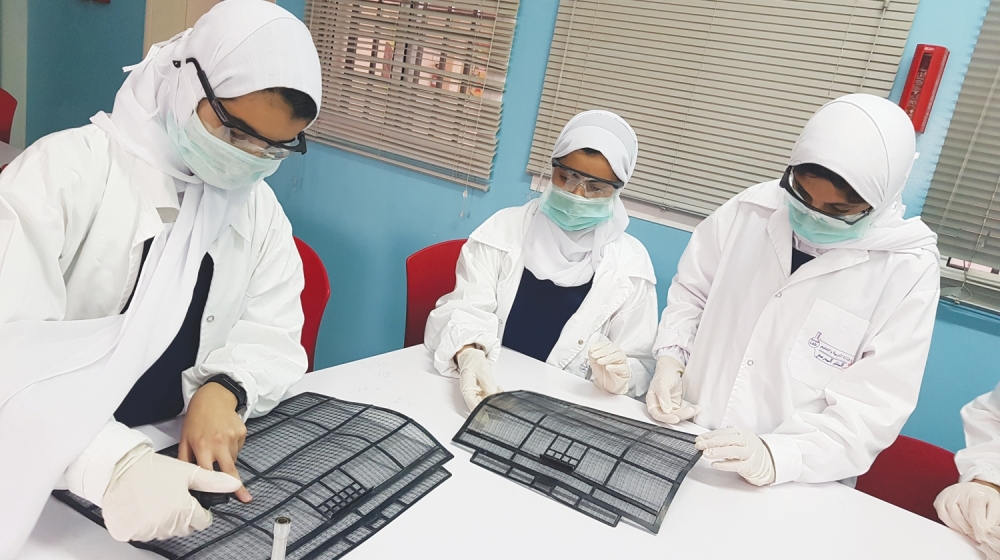
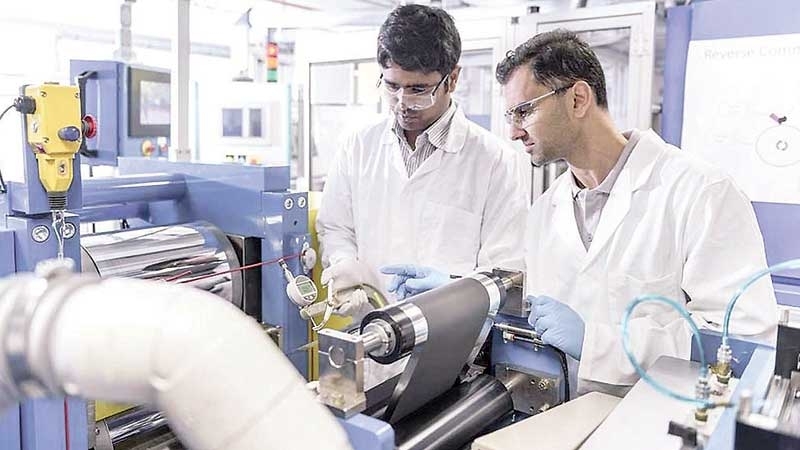
These include some companies helping to establish oil and other research centres and laboratories at some university and university colleges, and some companies have also provided scholarships to some students and some research programmes.
According to Dr Al Hinai, there is no doubt that some of these attempts have several advantages, but an assessment has been made to determine the success of technology transfer and development, both in the oil sector and in other sectors.
Regardless of the success or inadequacy of cooperation between universities and companies in this area, and for such cooperation to be sustainable, it is important that it is not within social responsibility programmes, but rather that it must be independent and within the research programmes of universities and within corporate investment programmes; by making profits or reducing costs, he stresses.
It would therefore be useful to frame that cooperation within a legal framework through concession agreements signed by the government with oil and gas companies, which include what companies are required to cooperate with universities in the fields of scientific research and innovation.
It may also be important to include this in licenses issued for large foreign investments in general, to impede or hinder the flow of such investments.
Dr Abdul Malik adds: The development of technology is a cumulative process and a joint effort between universities and the beneficiaries of their development, so besides the importance of cooperation to transfer and develop technology as a condition in the terms of concession agreements in the oil sector and major investment licenses, Omani universities, for their part, should adopt ambitious and clear research programmes, and come forward to submit ideas and plans to develop specific technologies and invite companies, whether in the oil sector or elsewhere, to cooperate with them.
Oman Observer is now on the WhatsApp channel. Click here