







Sustainable policies: Grouping cites Sultanate’s modern port and warehousing infrastructure and expertise in food security and climate change management
Oman’s formal accession to the Global Dryland Alliance (GDA) — an international initiative to enhance food security in the world’s most arid countries — bodes well for its aspirations to evolve into a food hub in the region.
Last week, the Sultanate signed the membership document in the Qatari capital, Doha, where the alliance is headquartered. Formally established in 2017, the organisation’s principal mission is to advance food security in dryland countries through the promotion of innovative technologies in the fields of agriculture and water security.
According to the GDA, around a third of the world’s population lives in countries that fall within the definition of ‘drylands’ — nations with large arid swathes that are prone to agricultural and water challenges stemming from factors, such as drought, temperature extremes, soil erosion, shallow soil depth, and so on. These so-called dryland countries make up roughly 40 per cent of the Earth’s surface and are home to nearly three billion people.
Through partnerships with private and public sector organisations globally, GDA aims to support the exchange and development of technologies that will help boost food security, finance food security projects in member countries, and address food security policies of dryland countries.
Significantly, Oman’s accession comes on the heels of a declaration granting the GDA observer status at the United Nations. At the signing ceremony in Doha, GDA officials also cited Oman’s proven experience in enhancing the security of essential food supplies and addressing climate change concerns — expertise that the alliance is hopeful of harnessing to advance its goals. They also highlighted the Sultanate’s investment in modern port infrastructure and warehousing capacity —attributes that augur well for Oman’s positioning as a hub for food logistics.
Indeed, a number of food processing hubs are under various stages of development at strategic locations around the Sultanate, notably at Sohar Port and Freezone, Khazaen Economic City, Duqm Special Economic Zone, and Salalah Free Zone, among other areas.
Together with sizable investments in industrial-scale food related ventures, encompassing dairy and milk processing, poultry and red meat production, table and hatching egg production, flour milling and grain silo storage, soya crushing for animal feed, and cold chain logistics for agro and farm produce, they form the cornerstones of a thriving food sector.
At the same time, investments in fishing ports, coastal fishing fleets, aquaculture and fish processing complexes are helping harness and commercialise Oman’s abundant marine resources to support domestic demand, as well as exports, along with the attendant benefits to the national economy.
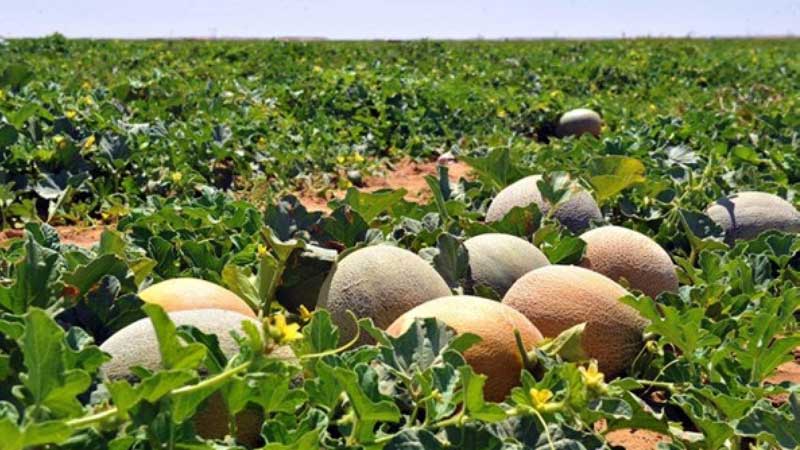
More recently, Oman announced its maiden foray into desert agriculture with plans for the cultivation of a variety of edible and non-edible crops, alongside half a million trees, on a 35 sq km site in the south of the country. Irrigation water for the ambitious project will come from treated ‘produced water’ — water produced along with oil in the oilfield areas.
CONRAD PRABHU
@conradprabhu
Oman Observer is now on the WhatsApp channel. Click here




