







BEIRUT: Lebanon appeared on Saturday to be headed for its first debt default as top officials indicated they opposed making an upcoming bond repayment amid a spiralling financial crisis. The country, hit by a severe liquidity crunch and months of anti-government protests, was due to decide on Saturday whether to repay a $1.2 billion Eurobond maturing on March 9.
The president, prime minister and senior finance officials “agreed to support the government in any decision regarding debt management, with the exception of a payment of debt maturities”, the presidency said in a statement.
That was widely seen as a signal that officials are leaning towards defaulting on the payment due next week.
A cabinet meeting was under way to decide on a course of action and Prime Minister Hassan Diab was due to address the public at 1630 GMT.
He was expected to announce a series of belt-tightening measures to steer Lebanon out of crisis, political sources said. The presidency on Monday said an economic rescue plan would include “financial, administrative and banking reforms,” without providing additional details.
Lebanon’s debt burden, long among the largest in the world, is now equivalent to nearly 170 per cent of its gross domestic product (GDP).
Despite a series of crisis, the country has never before defaulted, but in recent months it has grappled with its worst economic turmoil since the 1975-1990 civil war. Foreign currency inflows have slowed, Lebanon’s pound has plunged and banks have imposed tough restrictions on dollar withdrawals and transfers.
According to Marwan Barakat, head of research at Bank Audi, Lebanese banks owned $12.7 billion of the country’s outstanding 30 billion Eurobonds as of the end of January.
The central bank held $5.7 billion and the remaining were owned by foreign creditors, he said.
According to local media reports, Lebanese banks have recently sold a chunk of their Eurobonds to foreign lenders.
Local banks, which own a chunk of the Eurobonds maturing on March 9, have argued against a default, saying it would pile added pressure on a cash-strapped banking sector and compromise Lebanon’s ties with foreign creditors.
Lawmakers, most notably those representing the Amal and Hezbollah movements, have advocated debt restructuring to preserve plummeting foreign currency reserves.
Anti-government demonstrators who have remained on the streets since October have also lobbied against repayment, fearing a depletion of reserves could further limit access to their savings.
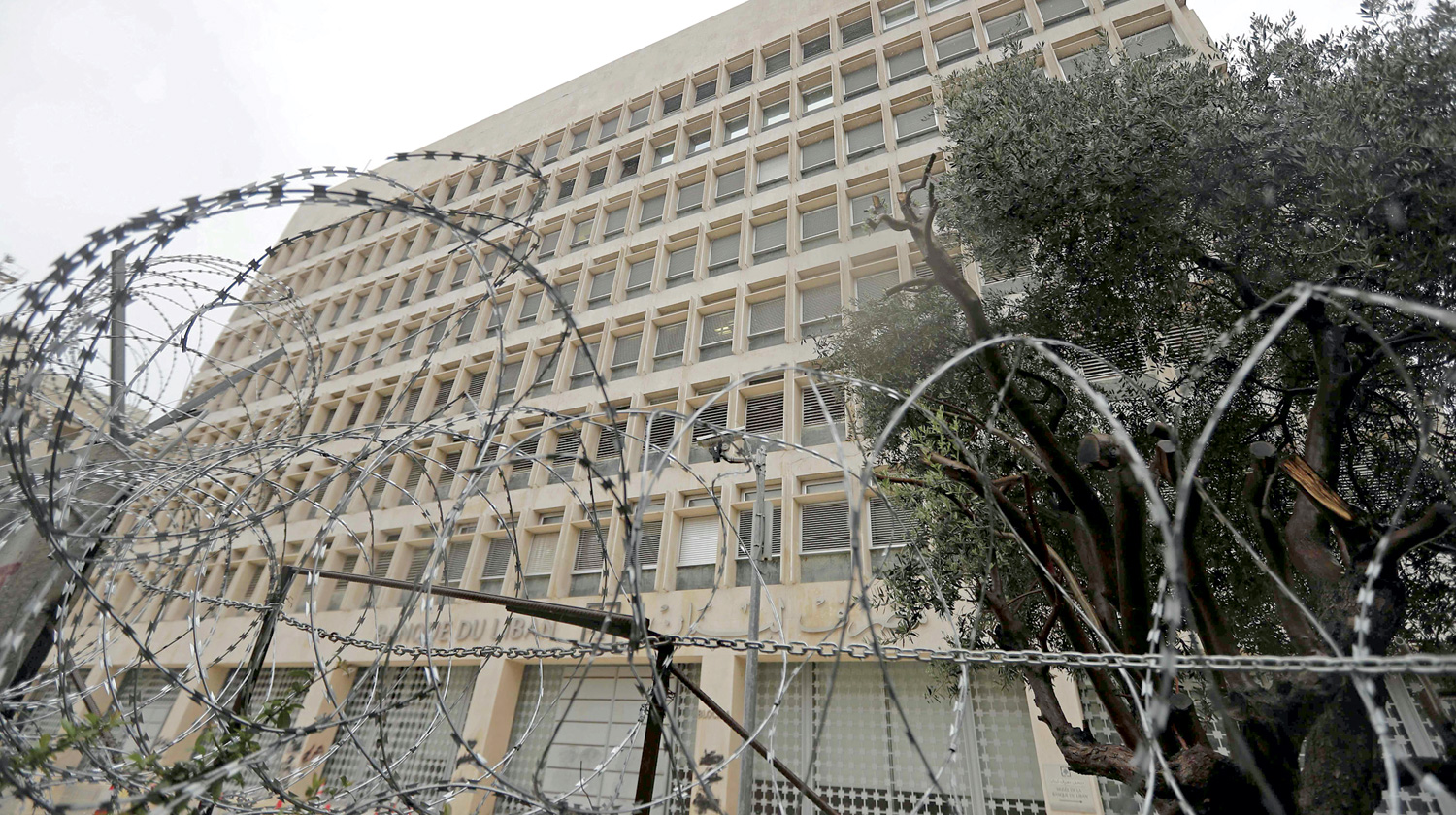
“We shouldn’t have to pay the price of government shortcomings,” said Nour, a 16-year-old demonstrator, during a rally outside central bank headquarters in Beirut. — AFP
Oman Observer is now on the WhatsApp channel. Click here


