




MUSCAT, NOV 28
The economic and development interests of oil and gas-producing countries are not receiving sufficient attention in global climate negotiations, an Omani academic has argued, questioning European demands to accelerate the transition away from fossil fuels without adequate financial and technological support for developing economies.
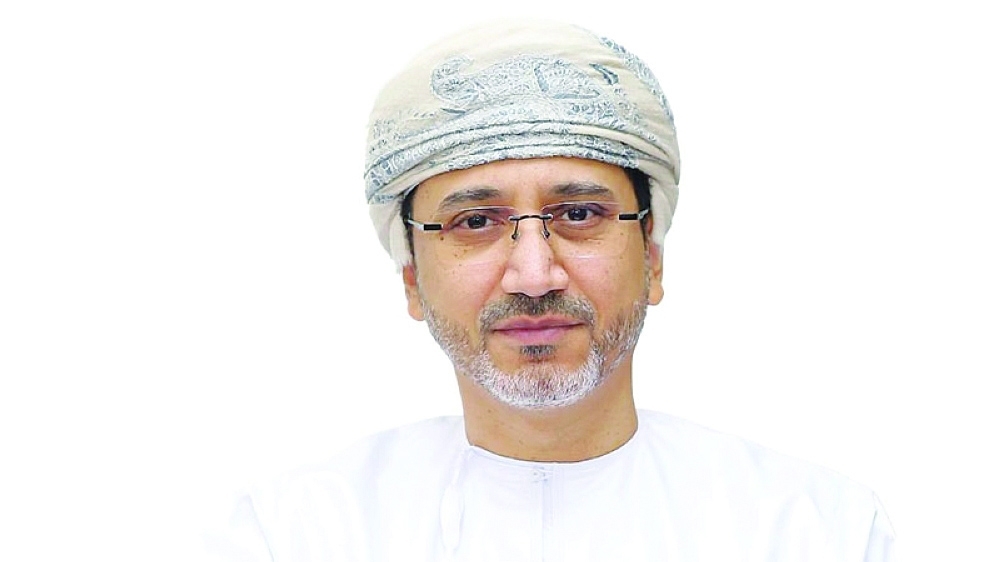
Dr Ghazi bin Ali al Rawas, Dean of Scientific Research at Sultan Qaboos University and Member of the Scientific Committee on Climate Change, questioned whether the positions taken by European countries at climate negotiations were consistent with their policies when their own energy security and economic interests were at stake.
Writing on social media, Al Rawas said the debate over fossil fuels should take into account the historical responsibility of industrialised nations for climate change, as well as the respective responsibilities of energy producers and consumers. He argued that greater attention should be paid to emissions arising from the consumption of oil and gas rather than focusing primarily on producing countries.
Al Rawas questioned what safeguards were available to economies dependent on oil and gas revenues as developed countries pressed for a faster transition away from fossil fuels. He said the financial and technological support extended to developing countries remained insufficient to meet their needs, despite commitments made under the Paris Agreement.
He also raised the question of who stands to benefit economically from the transition. Countries that already possess clean energy technologies and manufacturing capabilities, he argued, enjoy a competitive advantage as global demand for low-carbon technologies grows.
On energy security, Al Rawas pointed to Europe’s efforts to secure additional oil and gas supplies during periods of shortages and rising prices. He noted that some European countries had resorted to coal-fired power generation during the energy crisis despite its environmental consequences.
He questioned why the economic interests of energy-producing countries were not given the same consideration as Europe’s own energy requirements.
Al Rawas also called attention to emissions associated with wars and military activities, pointing to the absence of comprehensive and transparent reporting by major military powers.
He questioned whether the push for common energy transition pathways sufficiently respected the right of countries to determine their own policies in line with national circumstances and development priorities.
For Al Rawas, the question is whether the global energy transition can be considered fair when the economic interests, historical responsibilities and financial capabilities of countries differ so widely.
Oman Observer is now on the WhatsApp channel. Click here