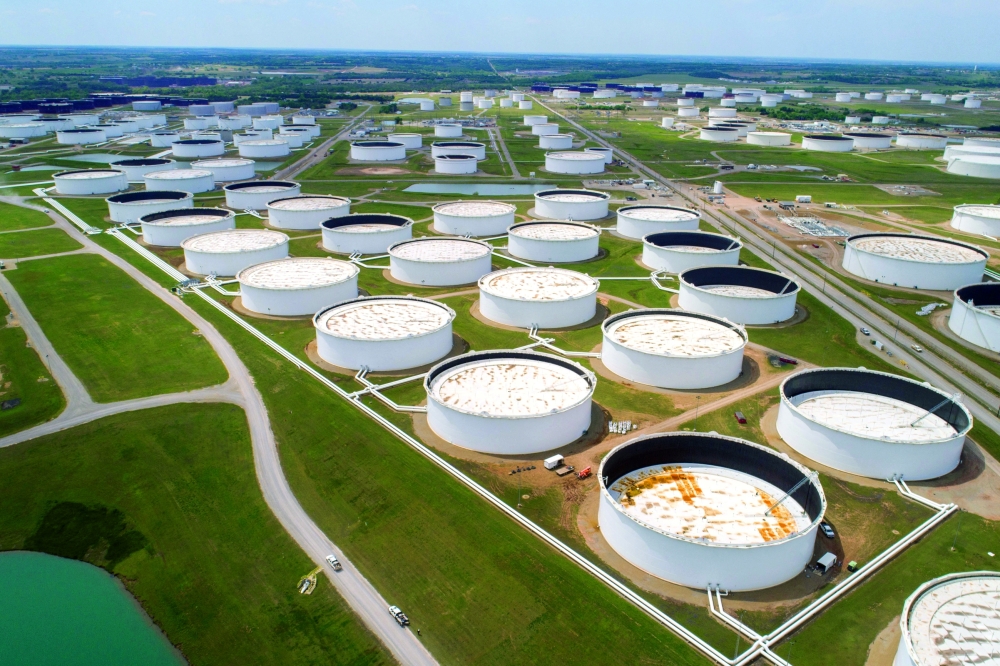





VIENNA: OPEC+ oil producers are set to keep first-quarter 2027 output targets unchanged at Sunday's meeting, three sources said, with uncertainty over the Iran war and disagreements over capacity estimates clouding discussions.
Ministers are also to set maximum capacity levels for each country, which aim to increase transparency of their industries and will form the basis for output quotas moving forward.
But some of the alliance's 21 members are already contesting the new levels, reached after two years of analysis by an outside consulting firm, US-based DeGolyer and MacNaughton.
"For the first time, the maximum sustainable production capacities have been assessed and established through an independent and objective process," OPEC secretary-general Haitham Al Ghais said in mid-November.
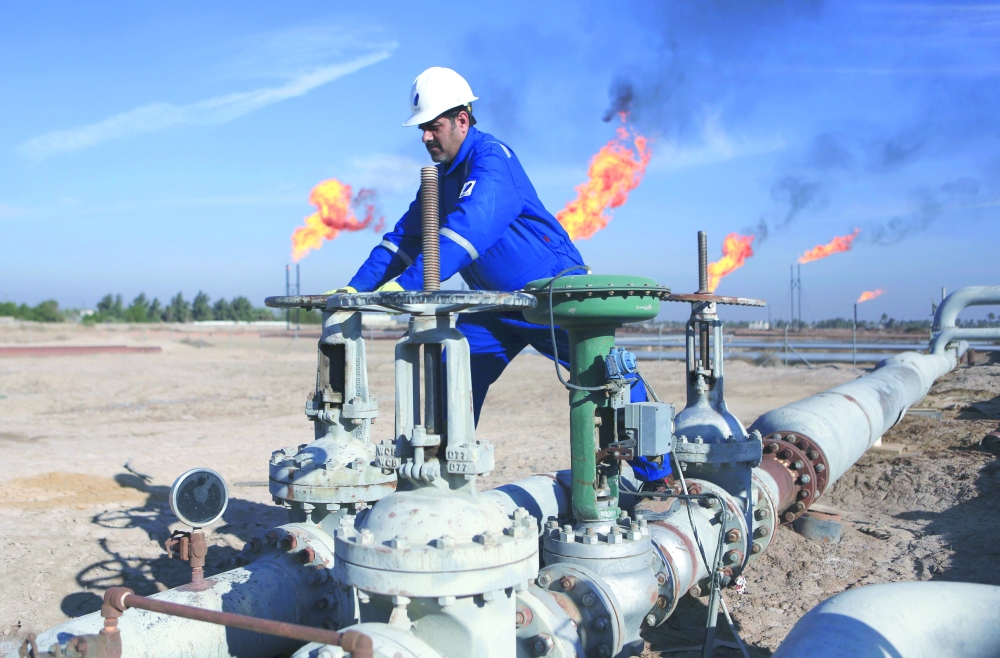
Iraq, one of Gulf countries most penalised by the de facto shutdown of the Strait of Hormuz by Tehran since the war began in February, has reportedly rejected its capacity level as too low.
It says its maximum sustainable output is 5.2 million barrels per day (bpd), not the five million set in the new study, according to a report by Bloomberg News this week.
"Iraq has long argued that production restrictions limit its ability to finance the country's reconstruction," said analysts at the investment bank DNB Carnegie.
Market disruptions from a flare-up of energy infrastructure attacks between Ukraine and Russia are also muddying the outlook, making for fraught talks on capacity and output calculations.
"Every country with a production shortfall has a credible argument that the shortfall is temporary," Jorge Leon, an analyst at Rystad Energy, said in a recent report.
He predicted the online talks on Sunday would be "one of the most complicated OPEC+ meetings in years".
Bloomberg has also reported that OPEC+ could renew for January current output quotas given the geopolitical uncertainty, citing two unidentified delegates in the group.
But Iranian attacks on neighbouring Gulf infrastructure in response to the US attacks further complicate the picture, since many countries are producing far less than their capacity would allow.
But for Leon at Rystad, "The big question is Russia — they produced 8.4 million barrels per day in October, and their quota was almost 10 million barrels per day."
That raises the possibility its quota will be lowered as the Ukraine war drags on, potentially keeping oil prices high.
Higher energy costs have already weighed on worldwide demand, prompting countries and businesses to seek alternative sources.
As a result, the International Energy Agency forecast a return to a market surplus for the fourth quarter, as supplies rise and exceed forecast demand.
In the meantime, the risk of angering members with the new capacity and output levels has grown.
The United Arab Emirates withdrew from OPEC earlier this year over anger at Saudi-led quotas, as it wants to sharply increase production in the coming years.
The move was a blow to OPEC's market hegemony and its ability to regulate prices.
OPEC+ includes the Organization of the Petroleum Exporting Countries and allies including Russia. The group had planned to use the findings of its first-ever review of members' production capacity to help set 2027 targets at Sunday's meeting, although disputes over some estimates have complicated those discussions.
Oil analyst firm Rapidan Energy Group also expects no changes to production targets, citing uncertainty over the duration of the Iran war and its effect on crude output and exports.
The capacity review has become a source of tension among some members. Iraq is dissatisfied with preliminary findings that assessed its production capacity at 4.9 million barrels per day, while Kazakhstan is also seeking a higher estimate, sources said earlier this week.
Russian Deputy Prime Minister Alexander Novak said on Wednesday the group would complete the capacity review by the end of the year, and ministers on Sunday would see what stage the review was at.
Rystad Energy forecasts a global oil surplus of about 5 million barrels per day next year, equivalent to roughly 5 per cent of worldwide demand, even if Gulf supplies recover only partially. The outlook underscores the pressure on OPEC+ as it weighs production policy for 2027.
Sunday's meeting comes months after the United Arab Emirates left OPEC and OPEC+ in order to pump more oil after years of arguing that its quota did not reflect its investment in capacity. Angola quit OPEC at the start of 2024, and Iraq has warned it may leave if its quota is not raised.
Oman Observer is now on the WhatsApp channel. Click here