

MUSCAT, NOV 15
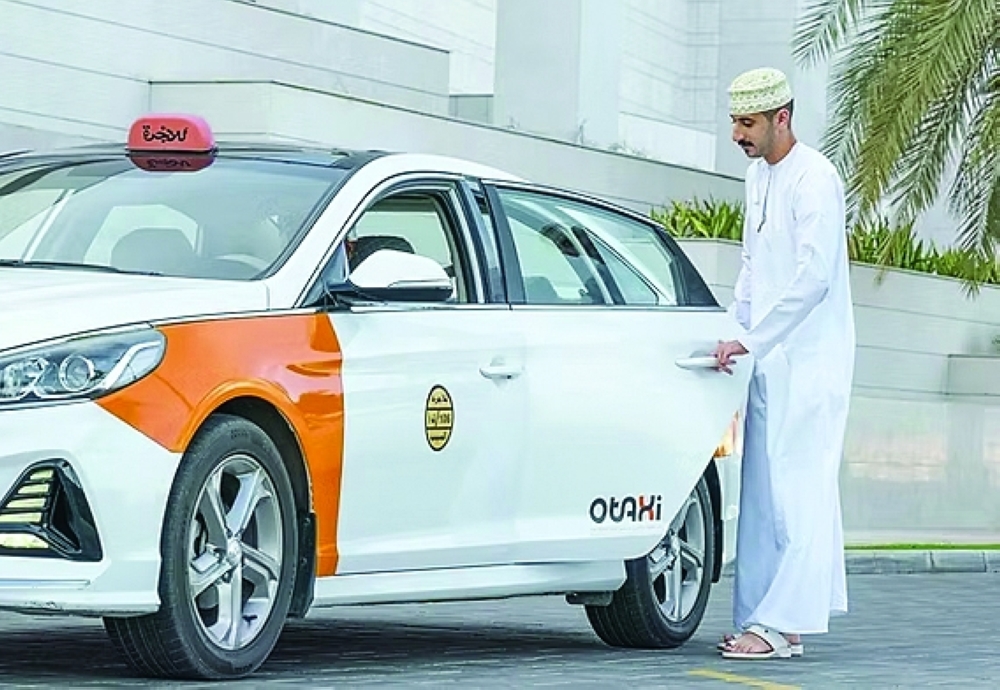
Taxi drivers in Oman are seeking a minimum charge of RO 1.500 per trip, saying current fares do not reflect rising operating costs.
Drivers argue that fares for short journeys, particularly those covering less than 5 km, can range between 500 and 700 baisas. They say such rates leave no profit after deducting fuel, maintenance, insurance, and other vehicle-related expenses. Some believe that a minimum fare of RO 1.500 would be more reasonable, while others argue that rates should start between RO 2 and RO 2.500.
Salim al Maawali, a taxi driver, said drivers have to meet a range of recurring costs, including servicing and insurance, in addition to commissions deducted by some ride-hailing apps.
“The challenge is not limited to the fare charged for the journey itself. Drivers also have to cover the distance travelled to reach passengers before a trip begins, which adds to fuel consumption and vehicle operating costs,” he said.
Al Maawali added that some drivers are required to work long hours, from early morning until the evening, to generate enough income to meet their daily expenses.
He also called for discussions involving the relevant authorities, taxi drivers, and digital platform operators to explore a unified pricing framework that supports the long-term viability of the sector.
Vehicles also face wear and tear, while drivers are required to maintain them in a condition that meets safety standards and regulatory requirements.
For those who depend on taxi services as their primary source of income, the difference between the fare received and the actual cost of completing a journey can have a direct impact on household finances.
The growth of ride-hailing apps has made it easier to book vehicles, track journeys, obtain fare estimates, and make payments, while providing drivers with additional channels to reach customers.
However, competition among operators has also raised concerns about pricing practices. Some drivers argue that competition based on lower fares can reduce their earnings, particularly when platform commissions are deducted from already modest journey charges.
The integration of taxis with licensed digital applications has become an important part of the sector’s regulatory framework, as the authorities seek to improve service quality, passenger safety, and transparency.
The Ministry of Transport, Communications and Information Technology (MoTCIT) has also sought public feedback on the development of digital taxi services. A community consultation conducted between June 22 and July 22, 2025, invited drivers and users to share their views on the challenges and opportunities associated with the sector’s digital transformation.
These findings underline the need for a pricing system that recognises the operational realities facing drivers without compromising the convenience and affordability that digital platforms offer to consumers.
In October 2025, the ministry cautioned licensed smart taxi application operators against changing approved fares without prior authorisation, reiterating the importance of complying with the regulations governing pricing.
While many people may sympathise with drivers’ concerns, an increase in the minimum fare could also affect personal budgets.
For residents without private vehicles, taxis remain an important means of transport for commuting, shopping, attending appointments, and accessing essential services. A higher starting fare could therefore add to their monthly expenses.
Some passengers also fear that higher prices could discourage the use of taxis, particularly when other transport options are available. In a market where affordability influences consumer choices, a substantial increase in fares could affect demand and potentially reduce the number of bookings available to drivers.
This creates a difficult balance. While drivers need fares that reflect the real cost of providing the service, passengers need a transport option that remains within their financial reach.
For drivers, the priority is securing a reasonable income that allows them to continue operating and providing reliable services. For passengers, it is maintaining access to affordable and convenient transport.
KEY POINTS
1. Rising fuel, maintenance, and app commissions severely squeeze driver earnings.
2. Unpaid travel distances to reach passengers further increase operating costs.
3. Drivers urge authorities and platforms to establish unified pricing rules.
4. MoTCIT strictly regulates fares and prohibits unauthorised app changes.
Oman Observer is now on the WhatsApp channel. Click here