

The true measure of innovation in education is not the sophistication of the technology introduced, but the knowledge it unlocks, the capabilities it develops and the possibilities it creates. -
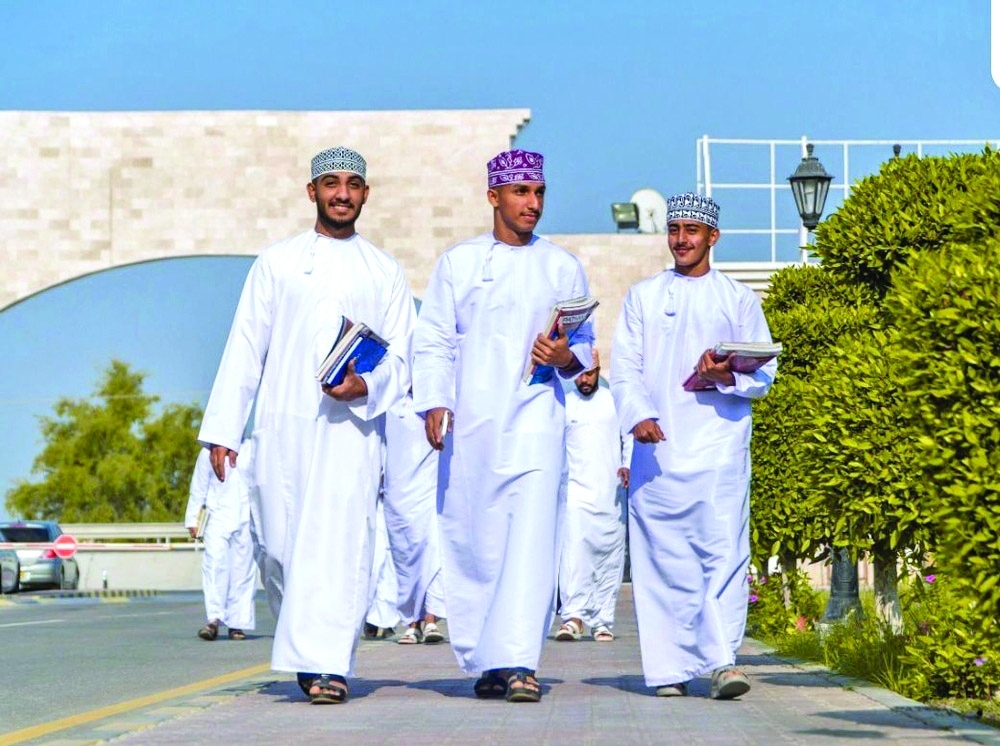
Innovation in education is a cornerstone of sustainable national development, empowering individuals with the knowledge, skills and creativity needed to navigate an increasingly complex world. In Oman, the continued development of the education system reflects a strategic commitment to human capital, digital transformation and the creation of a knowledge-based society.
Education has anchored Oman's development journey from the expansion of formal schooling during the modern Omani Renaissance to the forward-looking ambitions of Oman Vision 2040. Today, that commitment is taking on renewed significance as technological advancement, artificial intelligence and the evolving global economy reshape the knowledge and skills the future will demand. In this changing landscape, innovation in education is not simply about introducing new technologies into classrooms; it is about reimagining the learning experience, strengthening human capabilities and creating opportunities for every learner to reach their full potential.
Oman Vision 2040 identifies education, learning, scientific research and national capabilities as key priorities, with strategic objectives that include a high-quality and inclusive education system, stronger scientific research and innovation, and competitive national talents equipped for a knowledge-based economy. The vision provides a foundation for transforming education into a dynamic system that connects knowledge with practical application, creativity with responsibility, and national identity with global progress.
The digital classroom
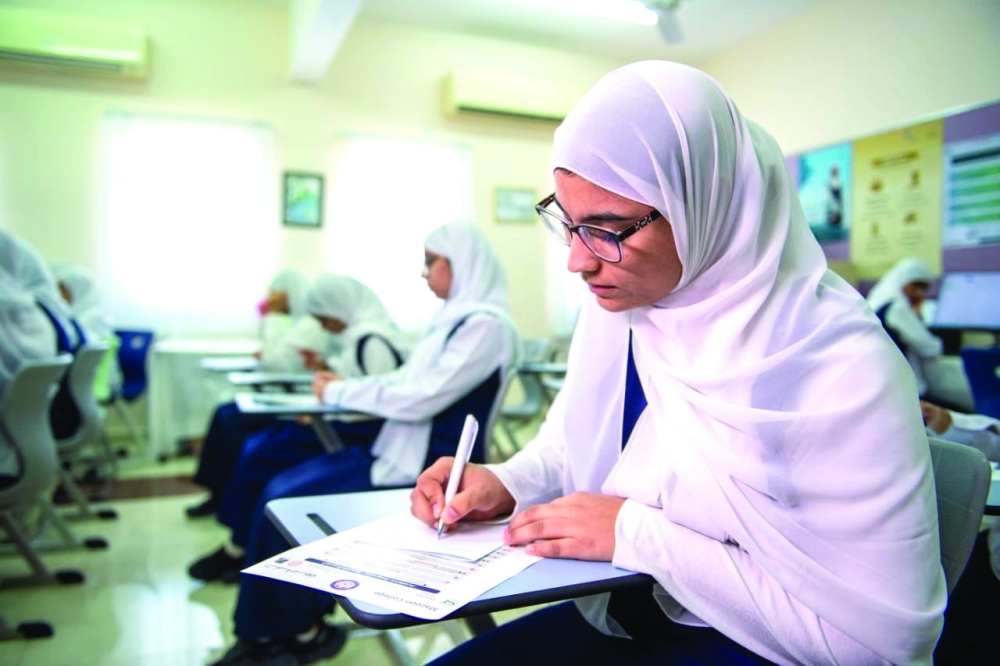
One of the most tangible expressions of educational innovation in Oman is the transition towards an integrated digital learning environment. A significant milestone was the Ministry of Education's launch of the Digitisation of Omani Curricula Project on 21 August 2025, in cooperation with BP Oman. The initiative aims to transform school curricula for Grades 1-12 into interactive digital learning content, supporting self-directed learning, collaboration and future-ready skills. Its initial phase focused on digitising curricula for Grades 1-4 and selected subjects in Grades 5 and 6, incorporating educational activities, games, videos, motion graphics and other interactive resources.
Another important initiative is the Noor Educational Platform, a digital environment that facilitates access to learning materials, supports teachers in organising educational activities and encourages greater engagement among students.
Together, these initiatives extend learning beyond the boundaries of traditional textbooks and classroom walls, allowing students to revisit concepts, explore subjects through different formats and engage more actively with their education. The broader objective, however, extends beyond technological adoption: the real measure of success lies in improved learning outcomes, greater student engagement and the ability to translate digital access into meaningful educational progress.
AI and the future of learning
Artificial intelligence is creating new possibilities, from personalised learning to helping teachers analyse student progress and develop more responsive teaching strategies. In April 2026, the Ministry of Education organised a forum on the future of digital schools in the age of artificial intelligence, exploring applications such as academic performance analysis, intelligent educational assistance, automated assessment and inclusive digital learning — while highlighting the importance of safeguarding student privacy and promoting the ethical use of technology.
AI-supported learning must be accompanied by digital literacy. Students need to understand how to evaluate information, distinguish reliable evidence from misleading content, protect their privacy and use technology responsibly; teachers require continuous professional development to ensure digital tools are applied purposefully. Technology should be an enabler rather than a replacement for educators — the teacher's role in inspiring curiosity, encouraging critical thinking and nurturing individual potential remains indispensable. The purpose of innovation is not to automate education, but to make it more responsive to human needs.
From knowledge to practical skill
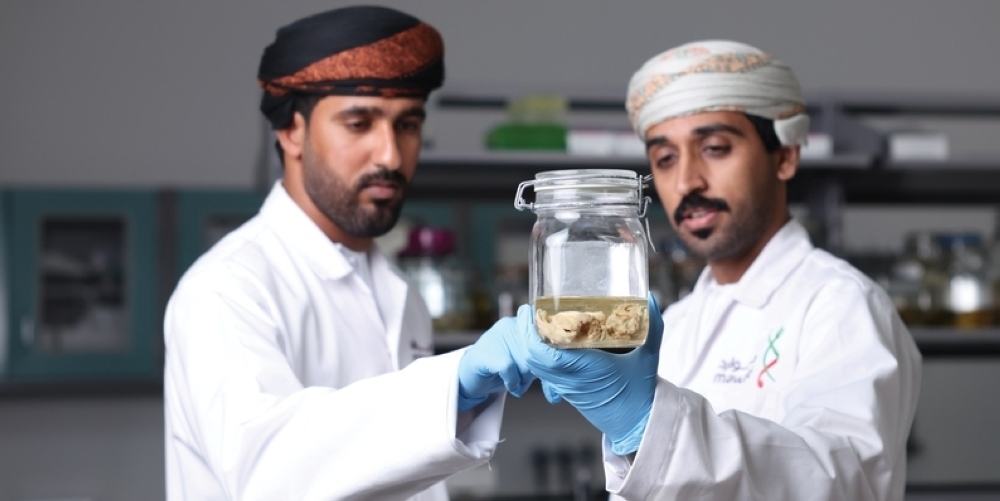
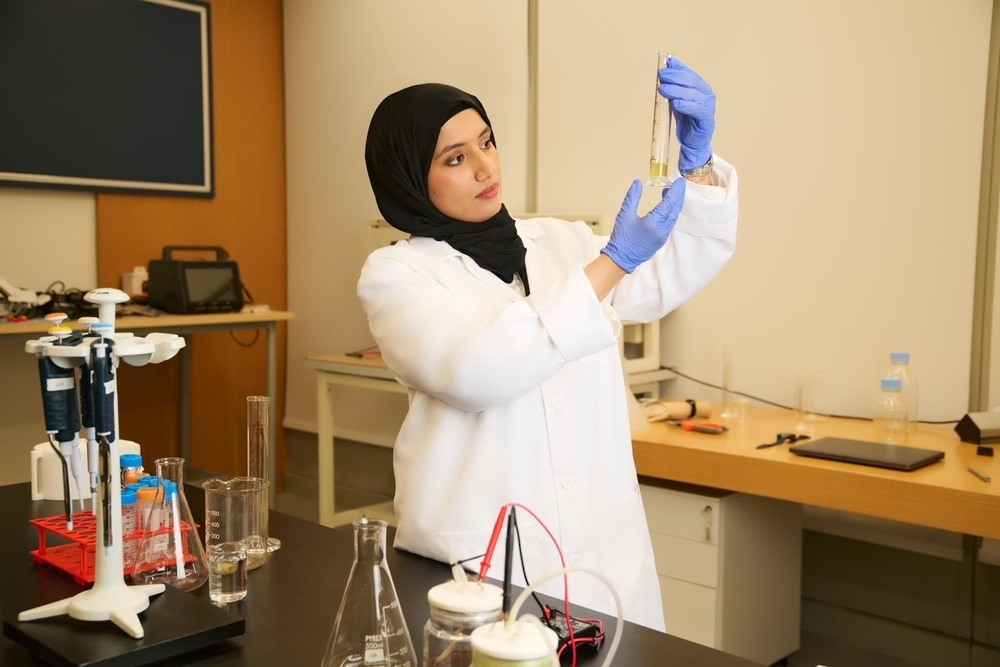
A future-ready education system must do more than transmit information. It must empower students to question, investigate, design, experiment and develop solutions to real-world challenges — placing critical thinking, creativity, communication, collaboration and problem-solving at the heart of learning. Through scientific research, coding, robotics, project-based learning, entrepreneurship and practical experimentation, students develop the confidence to turn ideas into tangible outcomes.
The approach bears directly on Oman's economic diversification: future opportunities in advanced manufacturing, renewable energy, logistics, information technology and tourism will depend on a workforce capable of adapting to new technologies and generating innovative solutions. Strengthening the relationship between schools, higher education institutions, research organisations and industry creates more opportunities for students to connect theoretical knowledge with the labour market. Innovation flourishes when learners are encouraged to see challenges as opportunities, view mistakes as part of learning, and understand that meaningful progress often begins with a question.
Identity in a global age
Educational innovation in Oman carries a distinctive responsibility: preparing students for the future while preserving the values, cultural heritage and national identity that define Omani society. Oman Vision 2040 emphasises curricula that reinforce national identity and draw inspiration from the nation's history while remaining responsive to future skills.
Digital technologies offer new ways to meet that responsibility. Interactive resources can introduce younger generations to Oman's maritime history, architectural heritage, literature and traditional crafts, while students use digital storytelling, multimedia production and research projects to document local knowledge. Arabic-language digital content keeps technological progress connected to the linguistic and cultural foundations of Omani society. Innovation should not erode identity; it should provide new tools for preserving it — a generation that understands its roots while embracing new knowledge is better positioned to innovate with purpose and a strong sense of belonging.
Every learner counts
The value of educational innovation is measured not only by technological progress, but by its ability to expand opportunity for all students. Accessible digital resources, inclusive teaching strategies, assistive technologies and flexible learning approaches can address different learning needs and create more equitable opportunities — provided they are matched by reliable digital infrastructure, teacher training and attention to differences in access to technology.
Innovation must also recognise the wider educational community: teachers, parents, educational leaders, universities and private-sector partners each help create an environment in which students feel supported and motivated. The ultimate objective is an education system in which every learner can develop knowledge, discover individual strengths and acquire the competencies to participate meaningfully in society.
Investing in the future
The transformation of education is a long-term national endeavour. Digital platforms, modernised curricula and future-skills frameworks matter, but their lasting impact depends on how effectively they improve learning. Continued investment in teachers, educational research, curriculum development and digital infrastructure will be essential — as will ongoing evaluation to ensure innovation delivers measurable benefits for students and society.
The classrooms of today are nurturing the researchers, entrepreneurs, educators, engineers and leaders of tomorrow. The true measure of innovation in education is not the sophistication of the technology introduced, but the knowledge it unlocks, the capabilities it develops and the possibilities it creates for future generations. Oman's greatest investment is its people — and education remains one of the most powerful ways to transform their potential into lasting national achievement.

Oman Observer is now on the WhatsApp channel. Click here