

A new international initiative launched at the United Nations climate conference COP31 in Antalya, Türkiye, aims to increase global geothermal energy supply twelvefold by 2050, bringing renewed attention to a renewable energy source capable of providing electricity and heat around the clock.
The Global Geothermal Ambition 2050, introduced by the Turkish COP31 Presidency in collaboration with the International Renewable Energy Agency (IRENA), seeks to accelerate the development of geothermal resources as countries work to diversify their energy systems and reduce dependence on fossil fuels.
The European Union announced its support for the initiative on November 10, joining efforts to expand investment, strengthen policy frameworks and encourage technological development in the geothermal sector.
According to IRENA analysis, global geothermal energy supply for electricity and heat could increase from approximately 2.5 exajoules in 2025 to 31 exajoules by 2050. Installed geothermal electricity generation capacity could rise from 15.6 gigawatts (GW) to 193 GW over the same period.
The projections highlight the considerable potential for geothermal energy to play a larger role in the global renewable energy mix, which has traditionally been dominated by solar, wind and hydropower.
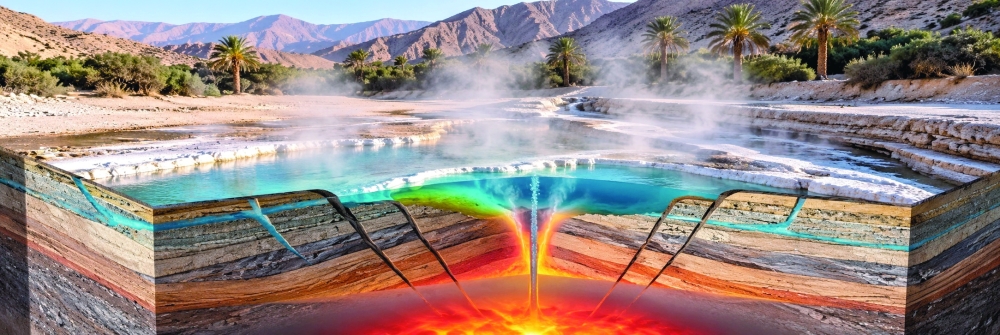
Unlike solar panels and wind turbines, geothermal facilities use heat from beneath the Earth's surface to generate electricity or provide heating. Where suitable resources are available, they can operate continuously, regardless of weather conditions or the time of day.
This reliability makes geothermal energy particularly valuable for electricity systems seeking to increase their share of renewable generation while maintaining a stable supply.
Geothermal energy can also be used directly for industrial processes, district heating, agriculture and other applications requiring thermal energy, potentially reducing fossil fuel consumption beyond the electricity sector.
However, despite its advantages, geothermal development remains relatively limited compared with other renewable technologies. High upfront exploration costs, geological uncertainty and the financial risks associated with drilling have historically constrained investment.
The new global pledge seeks to address these barriers through international cooperation, improved financing mechanisms, stronger supply chains and greater support for research and development.
It also encourages governments to establish clearer regulatory frameworks and investment conditions to attract private sector participation.
European Commissioner for Energy and Housing Dan Jørgensen described geothermal energy as an important contributor to Europe's energy security and competitiveness, emphasising its ability to deliver reliable heating, cooling and electricity independently of fluctuations in international energy markets.
Technological advances are also expanding the possibilities for geothermal development. Enhanced geothermal systems, which use engineering techniques to access underground heat in locations where conventional geothermal resources may be unsuitable, could potentially make the technology viable in a wider range of countries.
These developments are particularly relevant for countries seeking to diversify their renewable energy portfolios beyond solar and wind.
For Oman, where renewable energy development has largely focused on solar and wind projects, geothermal energy represents a potential area for longer-term research and resource assessment.
Although the Sultanate of Oman has geothermal features, including natural hot springs, the commercial viability of electricity generation from underground heat would depend on detailed geological investigations, temperature assessments and economic feasibility studies.
Geothermal resources could also present opportunities for direct heating and cooling applications, depending on local conditions and technological requirements.
The initiative comes as governments increasingly recognise that achieving long-term energy security will require a combination of renewable technologies rather than reliance on a single source.
For geothermal energy, the challenge will be translating ambitious international targets into commercially viable projects.
The Global Geothermal Ambition 2050 establishes a framework for cooperation, but achieving its objectives will require sustained investment, technological innovation and policies capable of reducing the risks associated with developing underground energy resources.
As countries look towards 2050, geothermal energy could emerge as an increasingly important component of the global transition towards cleaner, more diversified and resilient energy systems.
Oman Observer is now on the WhatsApp channel. Click here