

Cranberries deserve a year-round place in your diet, not only because they pack a tart punch but because they have considerable health benefits.
Here’s what nutrition experts have to say about cranberries, along with some new ways to prepare them from The New York Times Cooking.
They’re good for your heart.
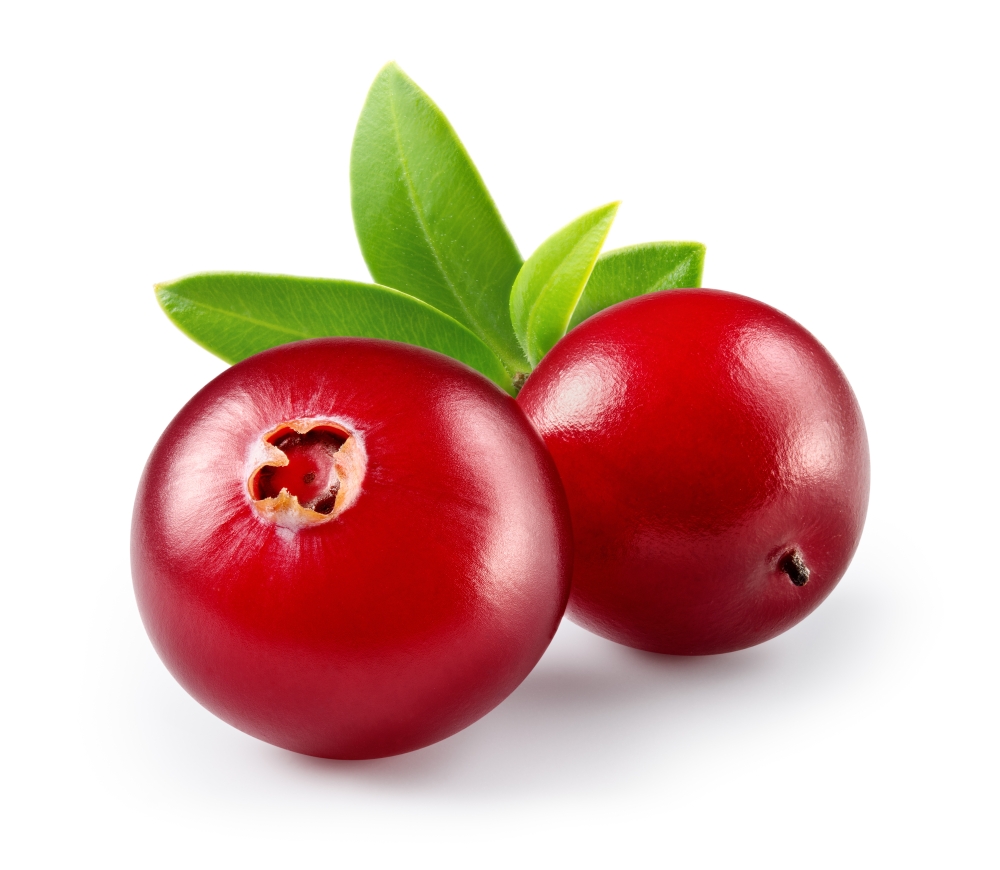
Cranberries’ deep red colour comes from flavonoids, a group of chemical compounds that plants produce to protect themselves from the elements. These pigments are also heart-healthy. For one, they help maintain the function of endothelial tissue, which lines blood vessels and the inside of the heart, said Debbie Fetter, an associate professor of teaching in the nutrition programme at the University of California, Davis. Healthy endothelial tissue helps the cardiovascular system circulate blood more easily and lowers the risk of blood clots.
Flavonoids also increase the blood levels of nitric oxide, a gas that relaxes blood vessels. “What we see is that the better the blood flow, the lower the risk of developing cardiovascular disease,” Dr Fetter said.
They can help prevent UTIs.
Cranberries can’t cure urinary tract infections, but there’s good evidence that they can prevent an infection from taking hold in the first place, especially in people who frequently experience UTIs, said Sarah Ball, the director of dietetic training in nutritional sciences at the University of Michigan School of Public Health.
That’s because cranberries are rich in A-type proanthocyanidins, a type of flavonoid that prevents bacteria from sticking to the body’s tissues. “You don’t find this compound in a lot of foods,” Ball said. Avocados, peanuts and cinnamon are among the other few that contain it, but in lower amounts.
A 2023 review of studies investigating cranberries as a preventive treatment for UTIs found that regularly consuming cranberry juice, tablets, or capsules reduced the risk of a UTI by 26 per cent in women with recurrent infections and by 54 per cent in children.
There is some evidence that cranberries can help fight harmful bacteria in the mouth, as well. In a 2024 clinical trial that included 280 children, scientists found that swishing with a cranberry-based mouth rinse was as effective as a fluoride-based rinse.
They help control inflammation.
The flavonoids in cranberries can also lower inflammation levels, said Diane Stadler, the director of the graduate programmes in human nutrition at Oregon Health & Science University.
Inflammation normally occurs in response to injury or illness, when the body floods the affected area with immune cells. But over time, that immune response can begin to damage the body’s own tissues, setting off even more inflammation.
“It can become cyclical,” Dr Stadler said. Flavonoids put a damper on that cycle.
Cranberries are also high in vitamin C, an antioxidant that helps reduce inflammation. A cup of unsweetened cranberry juice contains 23.5 milligrams of vitamin C, about a quarter of the recommended daily amount for men and a third for women.
Vitamin C is also essential for the growth and repair of the body’s tissues and collagen.
What’s the healthiest way to eat them?
Experts typically recommend consuming fruits and vegetables whole, with their skin on, to maximise nutritional value. Thanksgiving cranberry sauces and relishes are a great vehicle for this, Dr Stadler said. Homemade sauce tends to contain less sugar than the store-bought variety. “If you buy the canned sauce, that added sugar is going to discount the health benefits,” she said.
Dried cranberries also include the skin and its nutrients, but because they are concentrated and often sweetened, they can be high in sugar.
Cranberry juice is another option. While it lacks fibre and some of the nutrients found in the fruit’s skin, it’s still full of flavonoids and vitamin C. Experts recommend buying pure, unsweetened cranberry juice; you can dilute it with sparkling water to take away the bite.
While cranberries only come into season in the fall, stash them in your freezer to enjoy anytime, Ball said. Try roasting them or chopping them into a salad.
Here is a cranberry recipe to try from NYT Cooking.
------------------
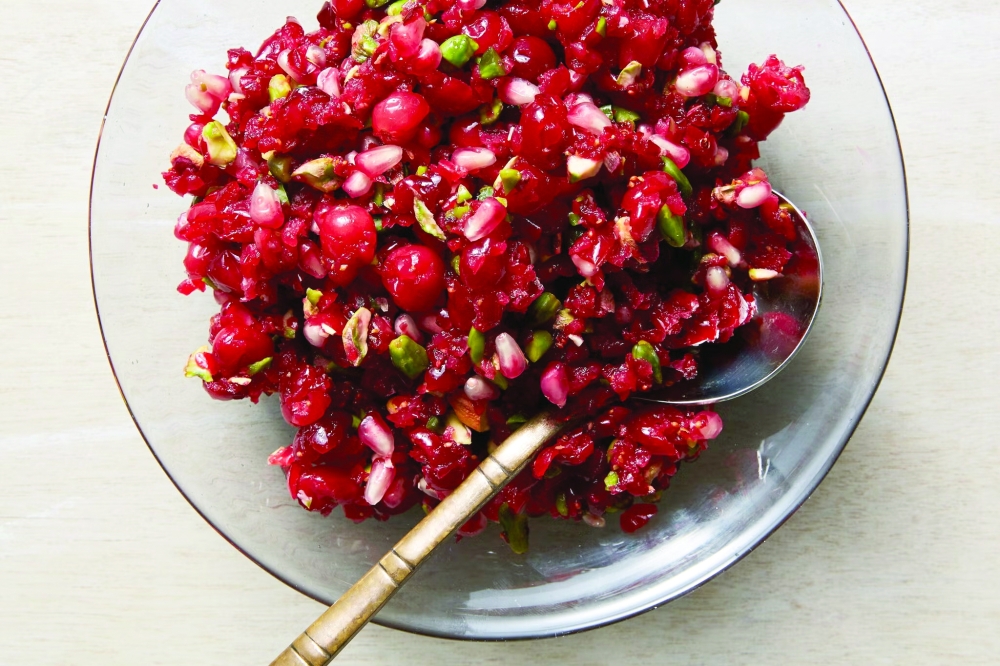
Cranberry-Pomegranate Relish
This twist on the classic orange-and-walnut-studded cranberry relish has pomegranate and pistachios, which fleck the intense red berries with bits of green. You can make the cranberry mixture a day ahead, but don’t add the nuts and pomegranate seeds until just before serving to preserve the crunch.
------------------------------
Ingredients
Yield:
About 2 cups
12 ounces fresh cranberries (3 cups)
⅓ cup honey, or to taste
¾ cup chopped pistachios
¾ cup pomegranate seeds
--------------------------
Preparation
Step 1
Place cranberries and honey in a food processor. Pulse until chopped (but not too finely), then taste and stir in more honey if needed. At this point, the relish can be refrigerated for up to 24 hours before serving. If the liquid separates, give it a stir.
Step 2
Stir pistachios and pomegranate seeds into the cranberry mixture and serve.
---------------
Oman Observer is now on the WhatsApp channel. Click here