The drama involves intricate relationships, external interference, a hostile information environment, and manipulation by tech platforms, all intertwined with ageism, violence, and emotional challenges. It ends with a presidential candidate who received sixty million votes and sought to change Brazil’s political landscape evading justice through enigmatic means.
No screenwriter could have crafted as many plot twists as those seen before, during, and after Brazil's 2026 presidential election. The themes in this political spectacle are so diverse and intense that no single perspective can capture a coherent narrative.
It is both amusing and tragic that Senator Flavio Bolsonaro has declared himself Brazil's legitimate leader after fleeing to the United States following his defeat by President Luiz Inácio Lula da Silva in the presidential runoff.
Deep political divides have driven public discourse towards social alienation, denialism, and online denigration, making ideological or intellectual exchange difficult. Debates between leftist President Luiz Inácio Lula da Silva and right-wing Senator Flavio Bolsonaro were characterised more by personal attacks and corruption allegations than by policy discussion.
Tensions between political actors and the judiciary peaked after the runoff, leading to absurd scenes. High-profile financial and banking investigations involving cross ideological politicians and links to Supreme Court justices rocked the electoral landscape. Incidents of violence, fatal physical attacks, and clashes among supporters of political adversaries were reported.
Followers of defeated Senator Bolsonaro are spreading boycott lists on social media, targeting businesses and entities supporting Lula, reminiscent of the 1933 Nazi boycott of Jewish businesses. Indigenous communities in the state of Mato Grosso do Sul face threats and attacks, including water supply poisoning.
In Brasil, we will never die of boredom.
I could have explored the shutdown of bus services and the cancellation of domestic flights, or the participation of older individuals in the voting process, the movement of Indigenous peoples to exercise their voting rights, or the mass mobilisation of young people both on the streets and on social media, all of which could provide interesting narratives.
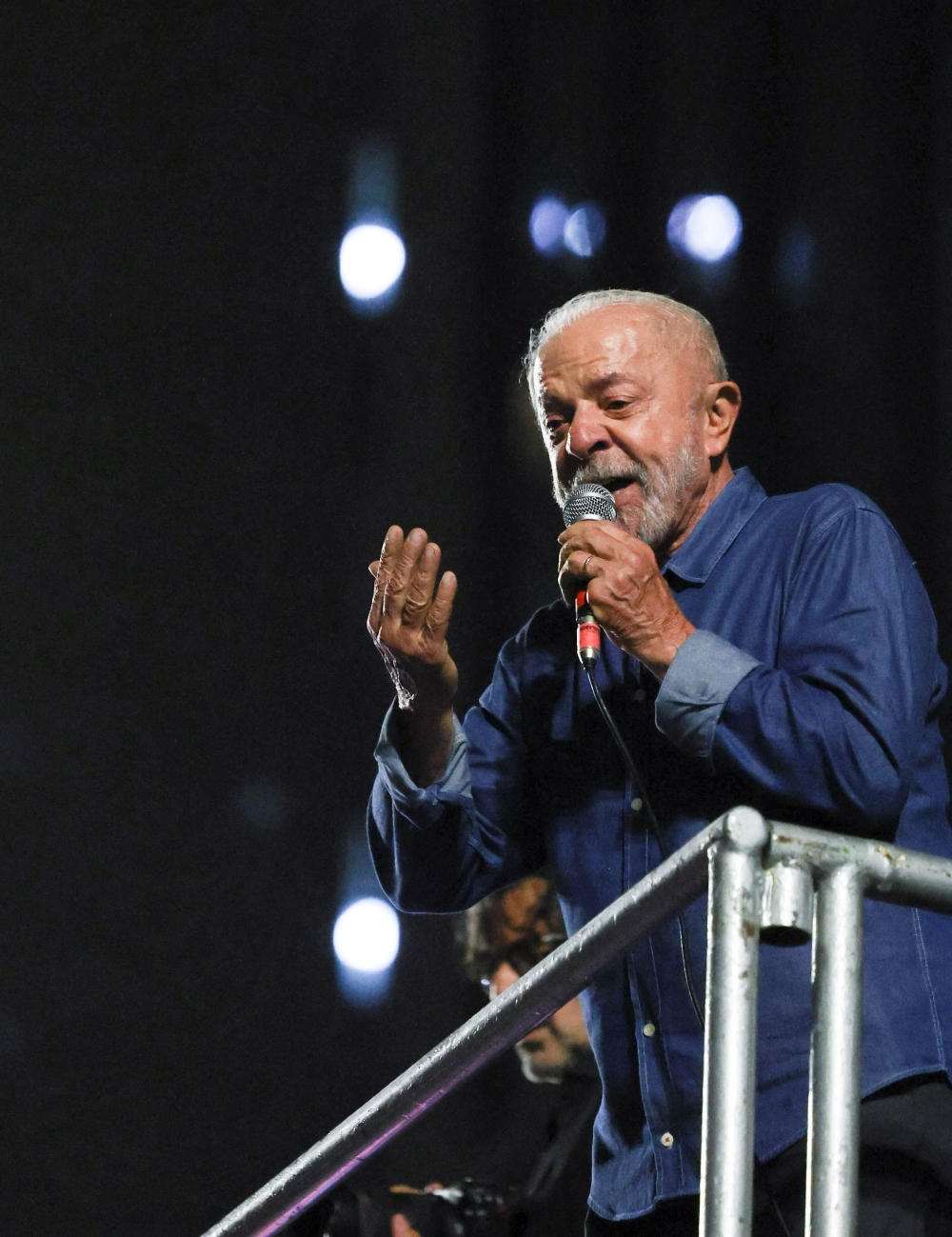
I could examine Lula’s reelection, which sustains Brazil’s environmental progress and enhances its role in international climate leadership. Another option is to examine the major role social networks played, with false information and algorithmic boosts having real consequences on public conversation and the integrity of elections.
Or I could examine Flavio Bolsonaro fleeing to the United States while investigations into money laundering and other legal issues were ongoing. Despite being left behind, his 60 million voters continue to hold on to the same motivations for supporting him.
South America, including Brazil, has long been known as a remote refuge for international fugitives seeking to evade European or American law enforcement.
Currently, high-profile individuals and those involved in criminal or financial investigations in Brazil are seeking to relocate or travel to the US. They are doing so through tourist visas, political connections, or bypassing immigration screening.
However, few people address the factors driving the White House’s significant involvement in Brazil. The US administration is heavily involved in Brazil, notably through USA Rare Earth's acquisition of the Serra Verde Group and its Pela Ema mine. Washington has bypassed federal barriers by forming direct agreements with resource rich states like Goiás.
The Lula government has worked to defend national sovereignty, require value-added processing and technology transfer within the country rather than just raw extraction, and uphold the right to export independently of US influence. Donald Trump is eager to have Latin American leaders in power who support his policies on defence, security and trade.
Two weeks post-election, far right legislators and leaders are actively working to undermine Lula’s governance. Confronted with a Congress dominated by the far right and a divided nation, the reelected president will face considerable obstacles, including antagonism from the US president.
Oman Observer is now on the WhatsApp channel. Click here