After hundreds of flights with different airlines, I have learned to notice something beyond aircraft, airports and destinations: the economic possibilities hidden in ordinary details. Having studied innovation in aviation, I often wonder why one airline recognises an opportunity another overlooks.
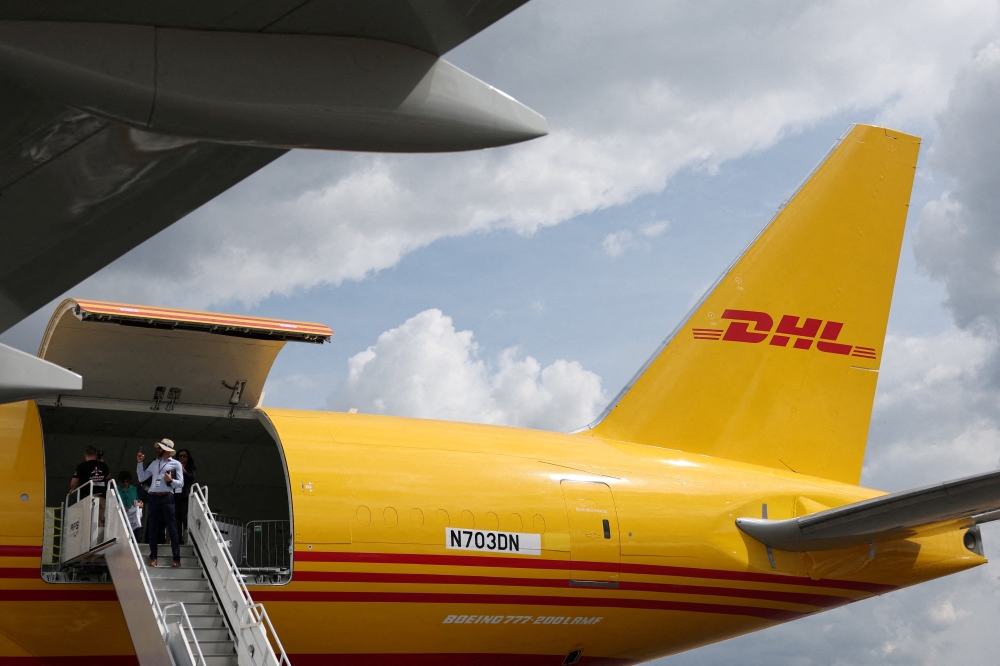
Consider the wingtip visible through an aircraft window. On some aircraft, the airline’s logo faces inward, becoming part of a passenger’s photograph. Someone captures the clouds, posts a picture of the journey, and unintentionally introduces the carrier to friends and followers. No advertising contract was signed. A small design choice has created an opportunity for organic promotion.
Of course, a photograph does not necessarily sell a ticket. But it reveals a useful principle: innovation is not always about inventing something new. Sometimes it means discovering unused value in something already there.
Call this the economics of small details: seemingly modest changes that, when meaningful to customers and repeated at scale, can accumulate into commercial value. Their power lies not in their size, but in how frequently they are experienced, shared and remembered.
The principle extends across the passenger journey. It begins with an intuitive booking app, transparent fares and accurate departure information. It continues through timely meals, a thoughtful snack, clean lavatories, pleasant soap, reliable Wi-Fi and entertainment that has actually been refreshed. It is heard in a captain’s clear announcements and felt in the attentiveness of cabin crew who remain helpful after demanding hours.
Individually, these details may look trivial. Collectively, they shape whether a passenger feels respected, reassured or neglected. Yet priorities matter. A fragrant lavatory cannot compensate for repeated delays, and a polished app means little if its information is wrong. The smartest innovation may be eliminating an irritation rather than adding a luxury.
The consequences can extend beyond the airline. For many travellers, a national carrier is an early encounter with a country’s identity. Hospitality, cuisine, language, visual design and films about local places can offer an introduction before the traveller even arrives. When authentic and consistently delivered, such experiences contribute to soft power: the ability to attract interest and goodwill without demanding either.
This is not automatic. Travellers do not always associate an airline’s service with its home country. But when the connection is clear, a positive experience may awaken curiosity about the destination itself. And poor service can undermine that promise more quickly than an expensive campaign can restore it.
The economic chain is broader still. Competitive airlines and effective air links help bring visitors, business travellers and cargo to a country. Their spending and activity can support hotels, restaurants, guides, retailers, airports, logistics providers and local suppliers. The airline’s commercial success and the nation’s economic benefit are related, but they are not identical, the real question is how much value remains in the local economy.
Oman makes that question especially relevant. An International Air Transport Association assessment, using 2023 data, estimated that aviation and its wider effects supported about $1.8 billion in GDP and 42,000 jobs in the Sultanate of Oman. The same assessment estimated $2.9 billion in annual spending by international visitors, illustrating the significance of what happens after passengers leave the aircraft.
For Oman, therefore, the ambition should go beyond increasing passenger numbers. It should include increasing the value generated by each visitor: longer stays, richer cultural encounters, wider spending across governorates and stronger links between air connectivity and local enterprises. A smooth booking journey, a confident welcome, clear airport information and convenient onward transport are not isolated services. Together, they form the first chapters of the visitor’s experience of Oman.
This calls for measurement, not slogans. Airlines can track repeat bookings, service recovery and recommendations, destinations can examine visitor spending, regional distribution and satisfaction. Small improvements deserve investment when evidence shows that they create value, rather than merely look attractive.
And here the aircraft wing meets the butterfly’s wing. In the familiar butterfly effect, tiny differences in a complex system can lead to far-reaching outcomes. The comparison here is a metaphor, not a scientific equivalence: a deliberate detail, experienced and shared repeatedly, may become one link in a much larger chain of value.
So the next time a passenger photographs a logo on a wingtip, consider the unseen possibilities beyond the frame: a remembered experience, a recommended airline, a country newly considered, a local business eventually visited. None is guaranteed. All begin with the discipline of seeing what others overlook.
Oman Observer is now on the WhatsApp channel. Click here