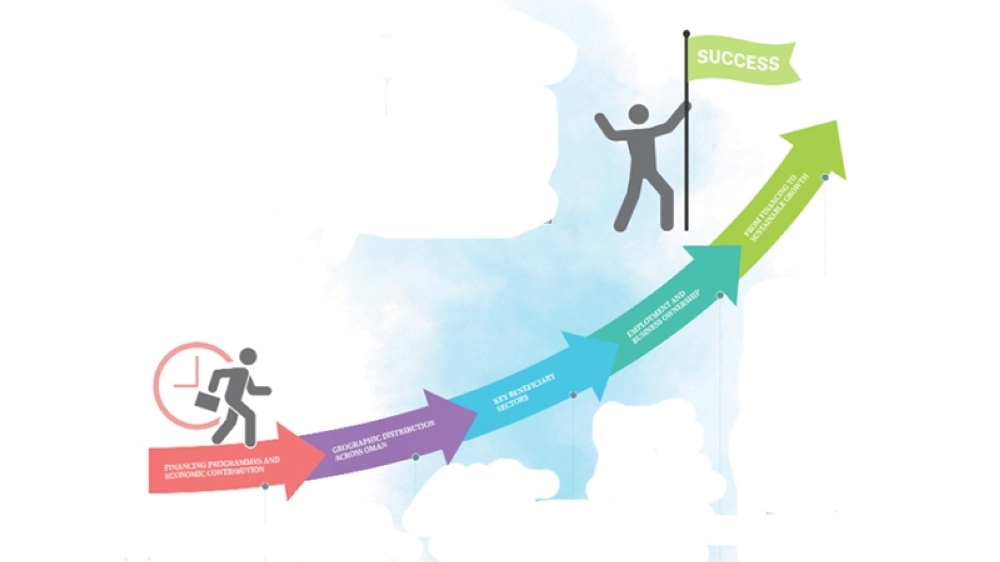


As the Sultanate of Oman builds a more diversified and sustainable economy in line with Oman Vision 2040, access to financing remains important for enterprises at different stages of growth.
According to the Authority for Small and Medium Enterprises Development (Riyada), its lending portfolio provided 581 loans between June 2022 and the end of August 2026, with total approved funding of RO 51,477,208. The loans were processed following the completion of loan agreement procedures between project owners and the Development Bank.
The figures highlight the role of financing in helping enterprises establish businesses, develop operations and expand their market presence.
FINANCING PROGRAMMES AND ECONOMIC CONTRIBUTION
Riyada offers financing programmes designed to meet the needs of enterprises across different economic sectors and stages of development. They follow two main tracks: financing enterprises operating in the private sector and supporting businesses contracted by government entities or companies affiliated with the Oman Investment Authority.
These programmes address financial requirements ranging from startup capital to equipment purchases, increased production, service development and market expansion.
According to the authority’s data, 2,173 Omanis, including business owners and employees, were involved in the financed projects. The figures indicate the scope of financing support for entrepreneurship, business operations and economic activity.
Continued monitoring remains important to assess project performance, business survival and the sustainability of employment associated with the portfolio.
GEOGRAPHIC DISTRIBUTION ACROSS OMAN
The lending portfolio extends across Oman’s governorates, supporting businesses in different local economic environments. Muscat Governorate recorded the highest number, with 262 loans, followed by North Al Batinah, Dhofar and South Al Sharqiyah.
This distribution highlights the importance of expanding access to finance across commercial centres and local markets. Supporting enterprises in the governorates can encourage investment and create employment opportunities that respond to community needs.
It can also help entrepreneurs transform local business opportunities into productive and sustainable ventures.
The broader developmental impact, however, depends on more than the number of loans issued. Assessing financing values across governorates, the performance of beneficiary enterprises and sustainable employment would provide a more comprehensive picture of the portfolio’s contribution to regional economic development.
KEY BENEFICIARY SECTORS
Riyada’s financing programmes support a range of productive and service activities. Manufacturing received 128 loans, followed by wholesale and retail trade and vehicle repair with 117, and construction with 85.
The distribution illustrates the diversity of business activities benefiting from financing.
In manufacturing, funding can help enterprises acquire equipment, improve production capacity and increase operational efficiency. In trade, it can support inventory management, sales development and customer services. In construction, financing can provide resources for equipment and operational requirements.
Supporting these sectors can strengthen local supply chains, improve productivity and increase the competitiveness of Omani enterprises. Diversifying the activities receiving financing may also broaden the productive base and reduce dependence on a limited range of economic activities.
EMPLOYMENT AND BUSINESS OWNERSHIP
Employment is an important measure of the contribution SMEs make to the national economy. Of the 2,173 Omanis involved in the financed projects, 568 business owners were fully dedicated to managing their enterprises and registered as employers.
These figures demonstrate how financing can support self-employment, business ownership and participation in private-sector activities.
As enterprises grow, they may recruit additional employees, expand services and contribute to local labour markets. Tracking these developments would help establish the longer-term employment contribution of the financed projects.
Supporting female entrepreneurs through appropriate financing and management training can further strengthen women’s participation in business and economic development.
FROM FINANCING TO SUSTAINABLE GROWTH
Although loan volumes and approved amounts indicate the scale of financial support, long-term success depends on enterprises’ ability to remain operational, increase productivity, enter new markets and create stable employment.
Integrating financing with business advisory services, financial training and regular performance assessments can help enterprises manage risks and use capital effectively.
Riyada’s 581 loans worth RO 51.48 million demonstrate the scale of SME financing within Oman’s economic development framework. By improving access to capital and supporting businesses across sectors and governorates, financing can contribute to a more productive private sector.
Its lasting impact will depend on effective fund allocation, sustainable business performance and measurable contributions to employment, competitiveness and economic diversification.
Oman Observer is now on the WhatsApp channel. Click here