

MUSCAT, OCT 26
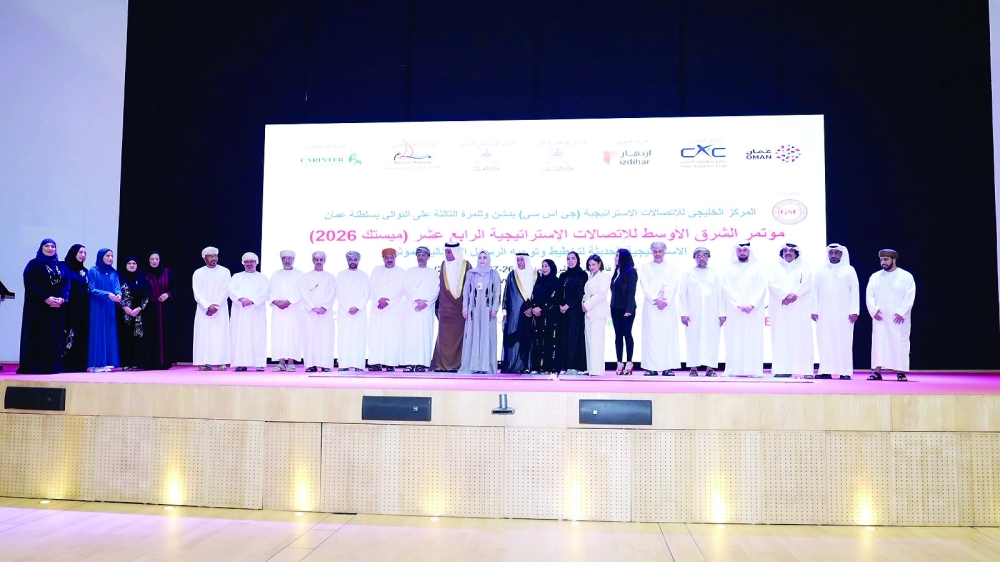
The 14th Middle East Strategic Communications Conference (MESTEC 2026) began in Muscat on Monday, bringing together experts in media and communications from Oman and abroad to discuss emerging strategies for effective communication in the digital age.
Hosted by Oman for the third consecutive time, the conference is organised by the Gulf Strategic Communications Centre (GSCC) and runs until October 27 at the Civil Aviation Authority headquarters in Muscat.
The conference examines the latest approaches in media, public relations, marketing and strategic communications through specialised sessions and discussions. Topics on the first day included the foundations of impactful communication, challenges in communicating with others, strategic integration in communications, digital media influence strategies, modern communication philosophies, the role of broadcasters, digital society and communication during crises. The opening also featured the announcement of the winners of the CARINTER Gulf and Arab awards and the recognition of participating speakers.
Dr Tariq bin Khalifa Al Shaikhan al Shammari, President of the Council for Arab International Relations (CARINTER), Chairman of the GSCC and conference chairman, said effective communication requires a clear understanding of the target audience and the message being conveyed. He stressed that organisations should engage internal audiences before reaching out to external stakeholders. Companies seeking foreign investment, he said, must explain the economic and developmental benefits of their projects to local communities, as failure to do so could trigger opposition campaigns and affect investors’ decisions.
He added that organisations should also inform employees about new projects and initiatives before announcing them publicly, as staff attitudes can influence public perceptions and the success of those initiatives. He also cautioned against confrontational responses to critics on social media, noting that emotional exchanges can escalate disputes and damage an organisation’s image.
Dr Fadila al Muaini, Chairwoman of the Emirates Journalists Association, said communication messages often fail to achieve their intended impact because of inadequate knowledge of the target audience, inappropriate timing, unsuitable channels or poorly tailored content. She noted that widespread reach does not necessarily translate into meaningful influence, emphasising the need to understand the audience’s cultural and social values when developing messages. Ignoring these factors, she said, can reduce a message to a fleeting piece of content with little lasting impact.
Karma al Taher, a member of the Arab Media Security Forum (ARAMS) and a media and public relations consultant, said Oman was an ideal host because of its rich cultural and historical heritage, distinctive identity, welcoming people and openness to different cultures. She said the conference brings communication professionals together to promote accurate messaging, counter misleading and negative content, and encourage positive communication. Her paper focuses on communication during crises, highlighting the importance of remaining calm, trusting the relevant authorities and leadership, following official guidance and avoiding the spread of rumours and misinformation.
Meanwhile, Nasser al Rashdi, Director of the Media Licensing Department at the Ministry of Information, said the ministry had held numerous meetings with content creators and social media influencers to promote credibility, public trust and the accurate reporting of information from original sources. He encouraged content creators producing media and awareness content to learn from licensed creators who have successfully developed positive, socially beneficial material. Addressing concerns over licensing procedures, he said practical experience had shown the process was straightforward.
Al Rashdi added that the ministry continues to engage with content creators through meetings organised by the Media Shield Centre and other relevant departments. The Media Licensing Department also provides guidance on licensing requirements through in-person visits, telephone calls and WhatsApp, helping creators organise their activities in accordance with approved regulations.
Oman Observer is now on the WhatsApp channel. Click here