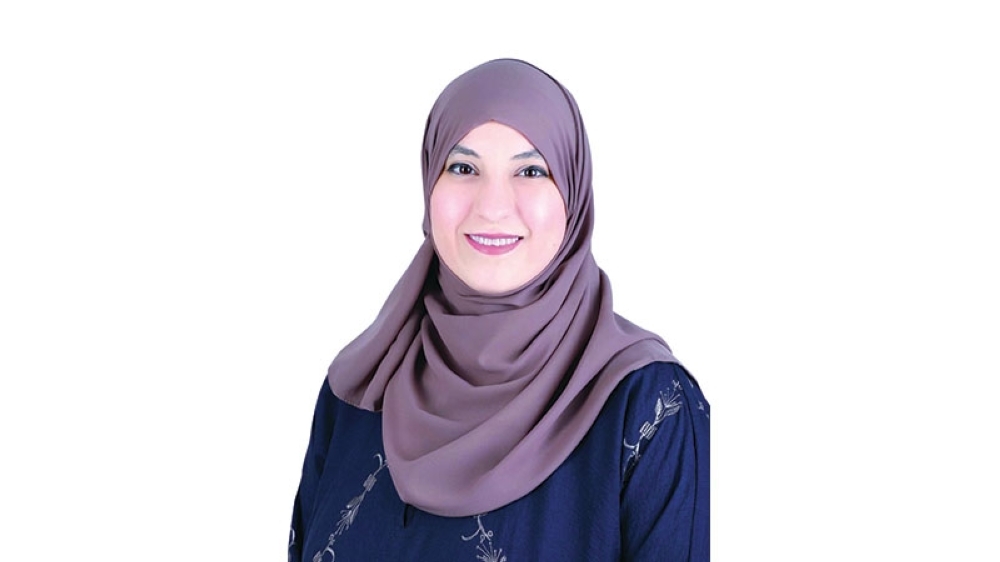


By OHOUD AL JILANI AND LAILA AL HASANI
MUSCAT, OCT 24
Kidney diseases in children are quite different from adults. Diabetes and high blood pressure are not usually the primary causes of chronic kidney disease, a senior paediatric nephrologist cautioned.
“My message to families is not to always wait for symptoms to appear, because some kidney diseases in children can begin silently, and early detection can make a huge difference. It is important to refer the child to a paediatric nephrologist in cases of persistent protein or blood in the urine, decreased kidney function, persistent disturbances in salt or acid balance, high blood pressure, obstruction or abnormalities in the kidneys and urinary tract, or recurrent urinary tract infections,” said Dr Neven bint Ibrahim al Kalbani, Senior Consultant of Paediatric Nephrology and Head of Organ Transplantation at the Royal Hospital.
“What we most often observe in children with kidney failure are congenital malformations of the kidneys and urinary tract, such as micronephrosis or malformations of the kidneys, or urinary tract obstruction, in addition to genetic diseases, some glomerulonephritis, and apoalbuminuria or nephrotic syndrome.” She points out that published medical studies from the Sultanate of Oman have shown that congenital malformations of the kidneys and urinary tract accounted for approximately 53 per cent of chronic kidney disease cases in children followed by genetic disorders at about 32 per cent.
She noted that early diagnosis, treatment of the underlying cause, control of these factors, and avoiding kidney-damaging medications whenever possible can make a significant difference in preserving kidney function in the long term.
She added that kidney diseases can be detected through simple tests such as urinalysis, blood pressure measurement, or kidney function tests. Sometimes, anaemia that does not respond to iron therapy as expected is one of the indicators that prompts us to investigate chronic kidney disease.
The number of patients with kidney failure is presently between 3,000 and 3,500 patients including 45 children with stage 5 kidney failure whereas the number of patients receiving dialysis increased from 2,275 to 2,842 between 2021 and 2025.
The total number of dialysis sessions in 2025 was 401,000 up from 380,200 a year earlier. In 2025, there were 32 health facilities providing kidney dialysis service in the Sultanate of Oman compared to 29 in 2024.
The number of dialysis beds increased by 12 per cent between 2024 and 2025. The dialysis unit in Bausher recorded the highest number of dialysis sessions with 41,300 sessions conducted in 2025.
Oman Observer is now on the WhatsApp channel. Click here