

MUSCAT, OCT 24
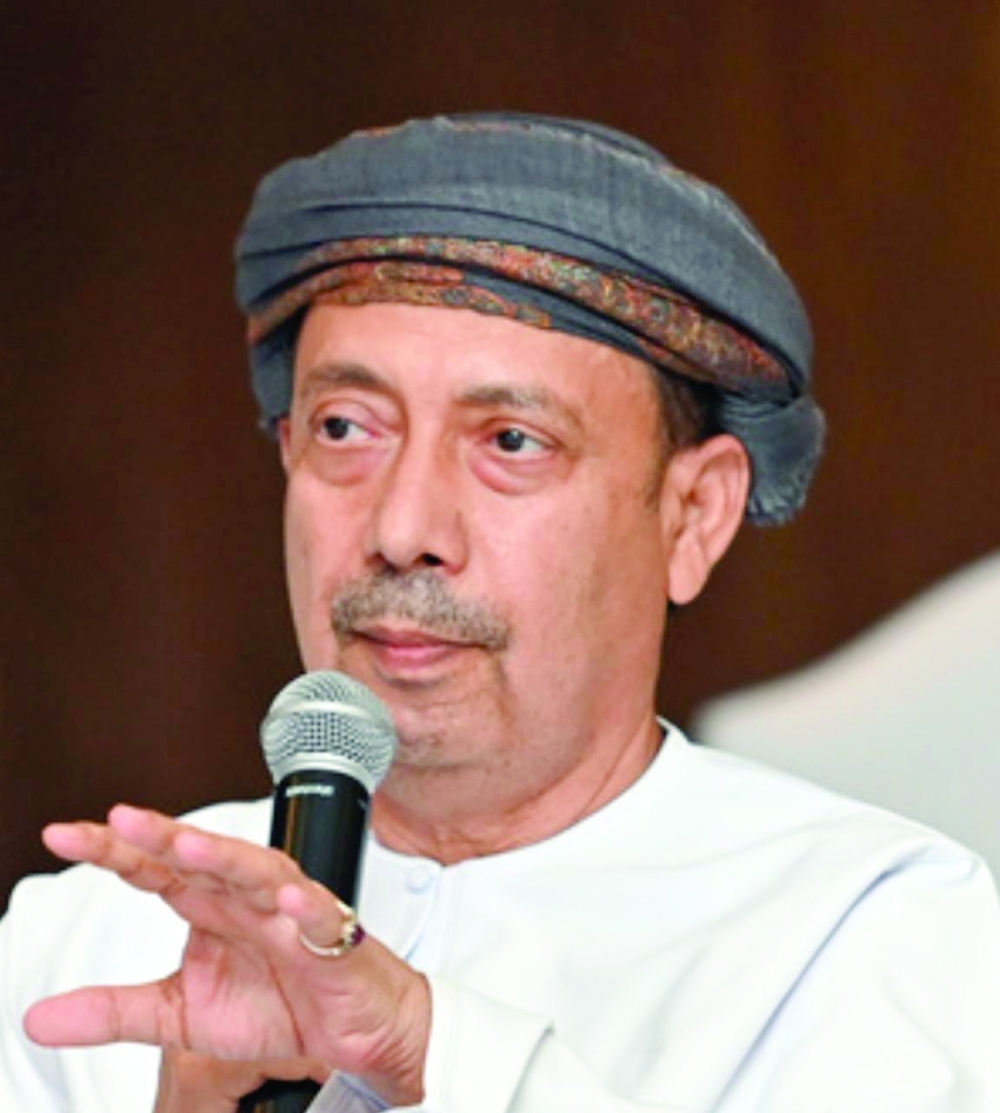
For Dr Salim bin Mohammed al Ghailani, the development of sports medicine in Oman has been a journey of perseverance, transformation and belief in the value of investing in people. As Director of the Department of Sports Medicine and Sports Sciences at the Ministry of Culture, Sports and Youth, he is preparing to retire at the end of 2026 after more than two decades in the sector, leaving behind a legacy of significant institutional development.
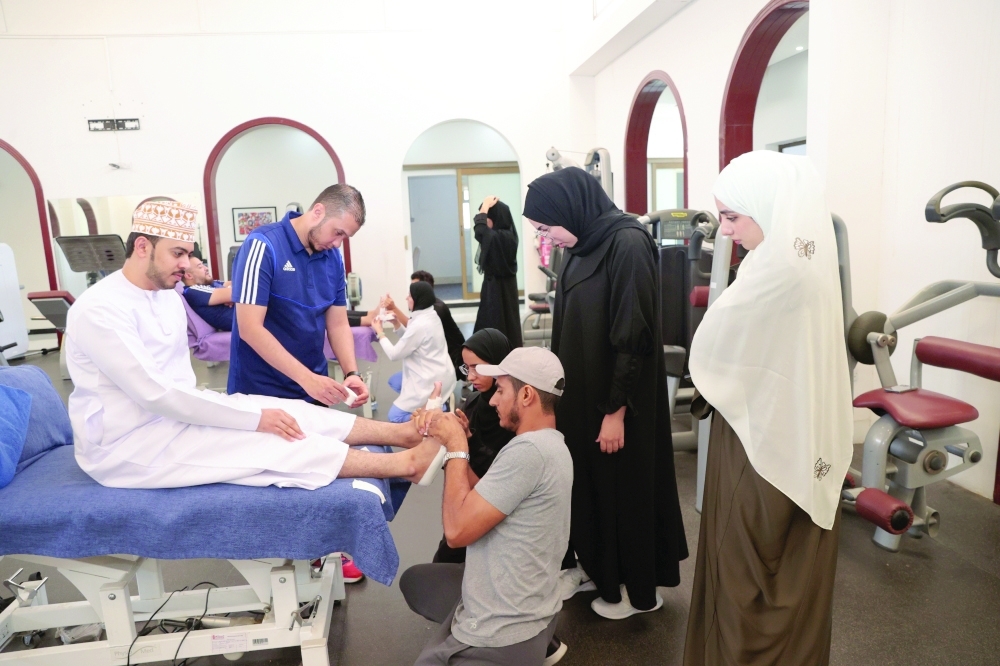
When Al Ghailani moved from public relations to what was then known as the Sports Medicine Centre, operating under the administration of the Sultan Qaboos Sports Complex in Bausher, facilities were basic. The centre occupied a single hall divided by fabric partitions, while workers' accommodation stood opposite.
“We started by changing the internal layout, creating a central exercise hall and providing it with a suitable roof,” he recalls. “Every year, we worked to introduce improvements after explaining our needs and their importance to the officials concerned.”
The gradual expansion included a dedicated building for testing and measurements. What began as a service focused on sports injury treatment and rehabilitation evolved into a broader system incorporating psychological care, anti-doping services, research and advanced treatment facilities. More recently, a laboratory for sample analysis and plasma-based treatment services have further expanded its capabilities.
EXPANDING SERVICES AND EXPERTISE
One major milestone was extending sports medicine services beyond Muscat. Al Ghailani says efforts helped establish five sports medicine units in different regions, equipped to improve athletes' access to treatment and rehabilitation.
He believes the facilities and professional expertise now available compare favourably with those in other countries, although continued investment and modernisation remain essential to keeping pace with advances in sports medicine and sports sciences.
For Al Ghailani, equipment alone cannot build an effective system. Developing qualified professionals has been equally important. He recalls that several specialists and department heads held only bachelor's degrees in the early years, but opportunities were subsequently created for further academic study.
Today, he says, professional staff hold at least master's degrees, with some having earned doctorates. He credits decision-makers who recognised that investment in medical equipment, professional development and specialised services ultimately strengthens Omani sport.
PREVENTION BEGINS WITH AWARENESS
Injury patterns vary according to the demands of each sport. Al Ghailani estimates that shoulder and spinal injuries account for around 30 per cent of cases handled by the sector, followed by knee injuries.
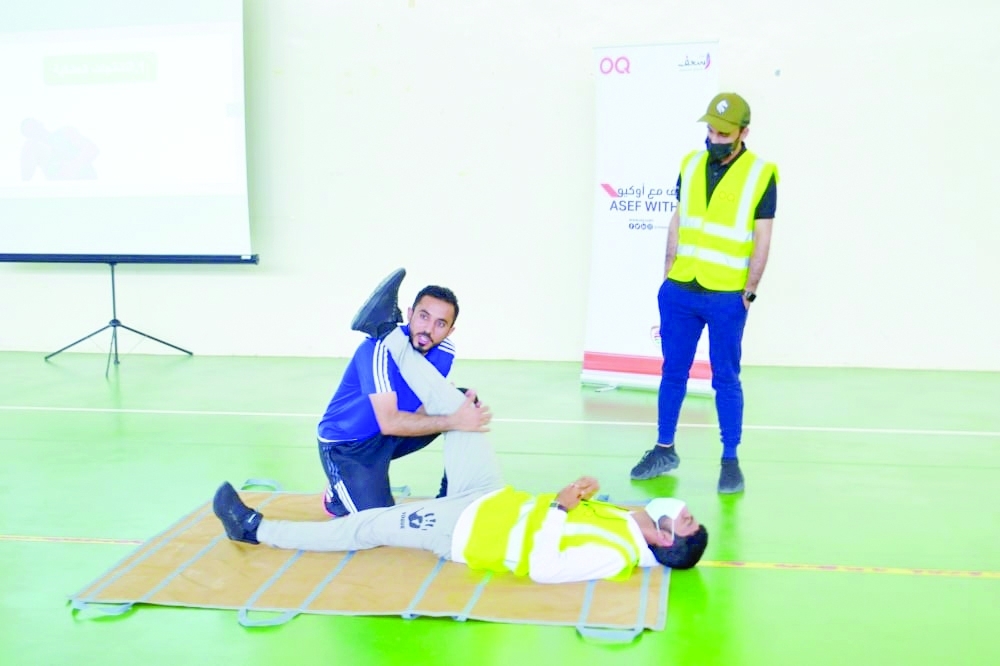
He considers awareness the first line of defence. Athletes and coaches must understand the importance of proper preparation, appropriate warm-ups, stretching and adherence to injury-prevention guidelines.
“Preventing injuries begins with awareness, then awareness and more awareness,” he asserts.
Pre-season medical examinations are another priority. Understanding an athlete's medical history enables specialists to make informed decisions and identify potential concerns before they affect training or competition. Prevention, treatment and rehabilitation, he argues, should form an integrated process throughout the sporting season.
THE PSYCHOLOGICAL DIMENSION OF PERFORMANCE
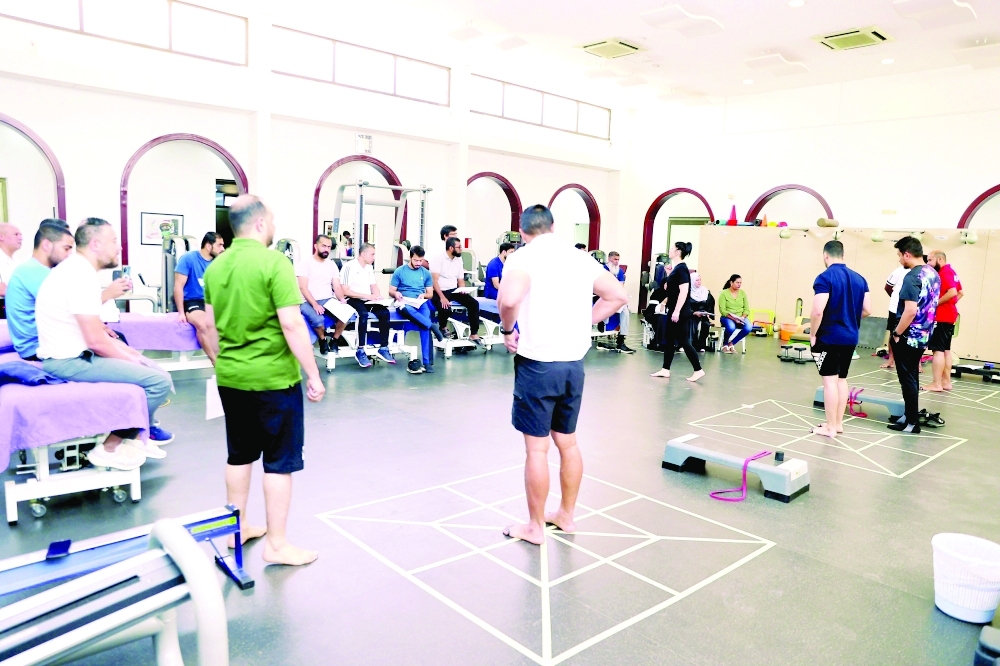
Al Ghailani's work has also highlighted the psychological aspects of athletic performance. The department has organised training sessions, therapeutic and psychological workshops, and educational activities involving specialists, coaches and athletes.
Its conferences and forums have provided opportunities to discuss research, physiotherapy protocols and treatment practices, with findings documented in publications produced alongside partner institutions. These initiatives, he says, have helped athletes improve their understanding of injury prevention, treatment and personal health management.
The Research and Studies Section is another important component of the system. Al Ghailani has conducted several studies, some published, focusing on athletes' psychological needs. His research includes examining sports coaches' personality traits and their relationship with occupational burnout.
He believes physical preparation and technical ability are only part of the performance equation. Psychological stability, managing pressure and the relationship between coaches and athletes are equally important.
Even after retirement, he says, he will be ready to help develop sports psychology services whenever his expertise is required.
'NO ROOM FOR INDIVIDUALISM'
Scientific conferences have played an important role in exchanging expertise and keeping professionals informed about new approaches. At the time of Al Ghailani's remarks, the department was preparing to hold its third conference, continuing efforts to connect scientific research with everyday clinical practice.
Looking ahead, he emphasises that the system's success depends on cooperation among doctors, physiotherapists, researchers, coaches, administrators, sports federations and clubs. No single department can provide the full range of support athletes need.
“There is no room for individualism today, and no room to stand still because resources are limited, time is short or there is another excuse,” he says. “Keep trying, as long as you believe in the goal you are working to achieve.”
As he approaches retirement, Al Ghailani hopes Oman will continue to advance athlete health, performance and sporting achievement. His legacy lies not only in improved facilities and expanded services, but also in promoting a culture that places injury prevention, rehabilitation, psychological care, research and professional development at the heart of sport.
For him, success does not begin with the opening whistle or end at the finish line. It starts with a system that protects athletes, prepares them physically and psychologically, and gives them the best possible opportunity to perform at their highest level.
Oman Observer is now on the WhatsApp channel. Click here