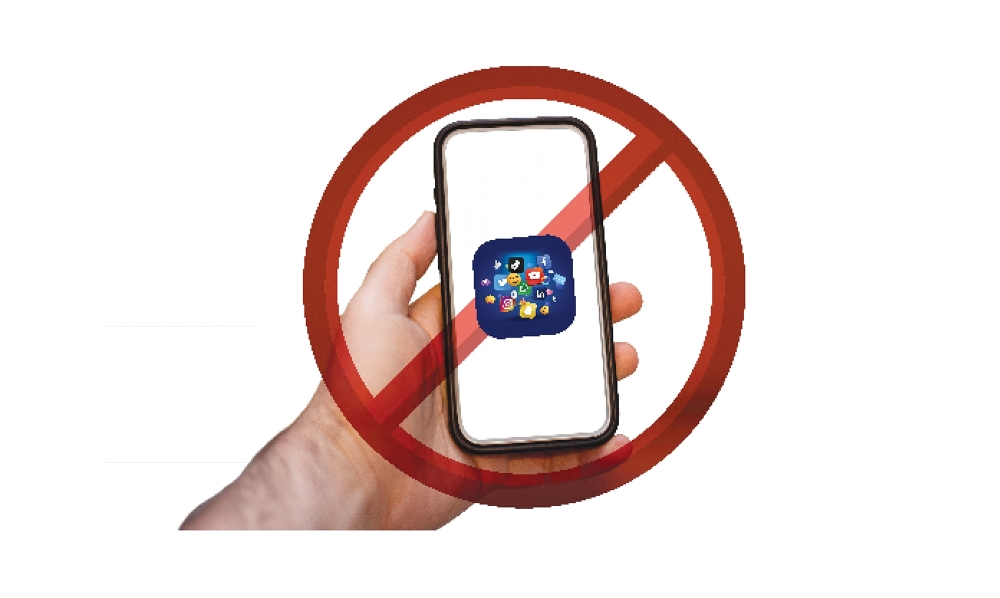





MUSCAT: A research study stressed the importance of promoting healthier and more balanced use of digital platforms. The study recommends developing digital well-being guidelines and awareness initiatives addressing the mental and physical health risks associated with excessive social media use, in line with the objectives of Oman Vision 2040. It also recommends strengthening digital literacy and digital citizenship programmes in schools and universities, providing support for issues such as anxiety, cyberstress, sleep deprivation, and fear of missing out (FOMO), and encouraging young people to balance screen time with physical activity and face-to-face social interaction.
The study titled “Effects of Social Media on Gen Z Health in the Sultanate of Oman,” was led by Dr Subrahmanian Muthuraman, Assistant Professor at the Faculty of Business Studies, Arab Open University. Funded by the Block Funding Program of the Research and Innovation Authority, it examined how social media use affects the social life, mental well-being, and physical health of Generation Z.
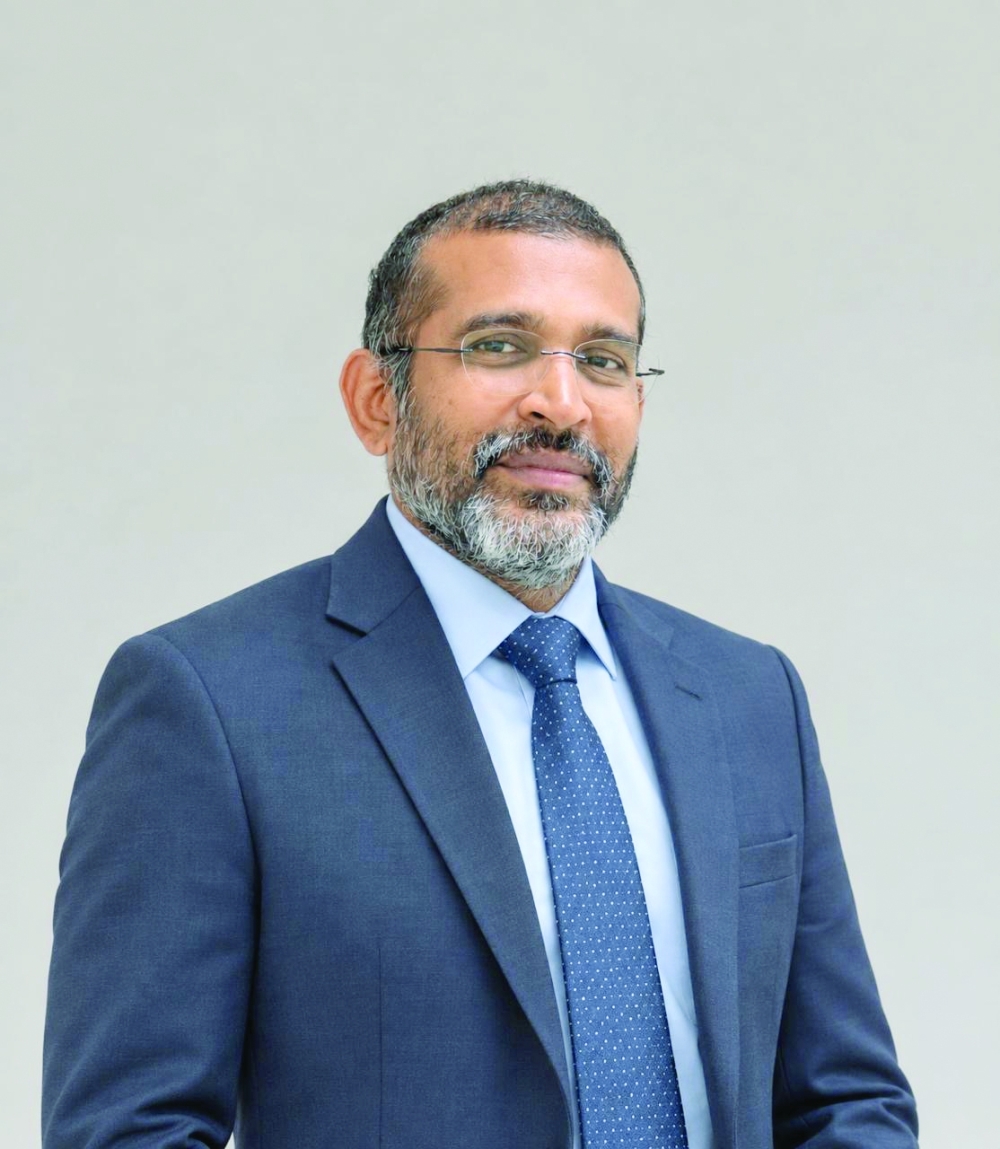
According to Dr Subrahmanian, the study focused on young adults aged 18 to 25 and explored their social media habits, levels of engagement and enjoyment, and the positive, negative, and behavioural effects associated with social networking platforms. Using a survey-based research design, the research team administered a structured questionnaire to 138 active social media users and examined six factors: usage habits, engagement, enjoyment, positive effects, negative effects, and behavioural impact. The regression analysis showed that all six factors significantly predicted the overall influence of social media on participants, with a statistical significance level of p < .05, indicating the substantial role social media plays in the daily lives and well-being of young adults in Oman.
The findings indicated that social media has become an integral part of the daily routines of many young people, with most respondents reporting daily use and many spending several hours across different platforms. The research found that social media can enhance connectivity and communication, but frequent use was also associated with social comparison, peer pressure, and changes in the quality of face-to-face interaction. Levels of engagement and enjoyment were also significantly associated with changes in social interaction patterns.
Dr Subrahmanian said the study identified several mental health concerns associated with intensive social media use, including increased stress and anxiety, feelings of loneliness, mood fluctuations, reduced concentration, and poorer sleep quality. Participants reporting higher levels of use also showed more signs of digital fatigue and behavioural dependence. Physical health concerns included eye strain, headaches, irregular sleep patterns, and reduced physical activity, while some participants also reported signs of problematic technology use, such as compulsive checking of social media and difficulty staying offline.
Families and community institutions can also play a role by encouraging open discussions about responsible social media use and supporting young people who show signs of technology dependence or social withdrawal. The study further encourages young people to monitor their screen time, reduce excessive late-night use, take regular breaks from social media, seek support when online activity begins to affect their well-being, and verify information before sharing it.
The research team also recommends further studies on the long-term psychological and behavioural effects of social media, differences in digital habits between rural and urban youth, and the effectiveness of digital well-being interventions.
The findings of the research were published in the Journal of Ecohumanism in 2024. The research team consists of Dr Subrahmanian Muthuraman, Dr Mohammed al Hazaizi, and Amani al Balushi. They hope the study will contribute to greater awareness of digital well-being and support healthier and more balanced social media habits among the youth in the Sultanate of Oman.
Oman Observer is now on the WhatsApp channel. Click here