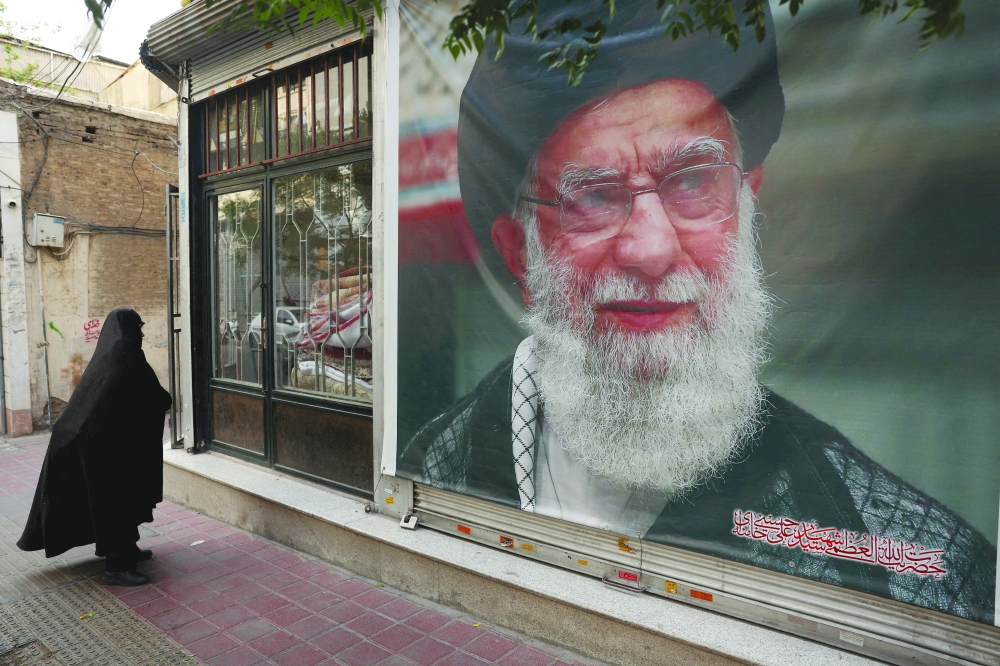
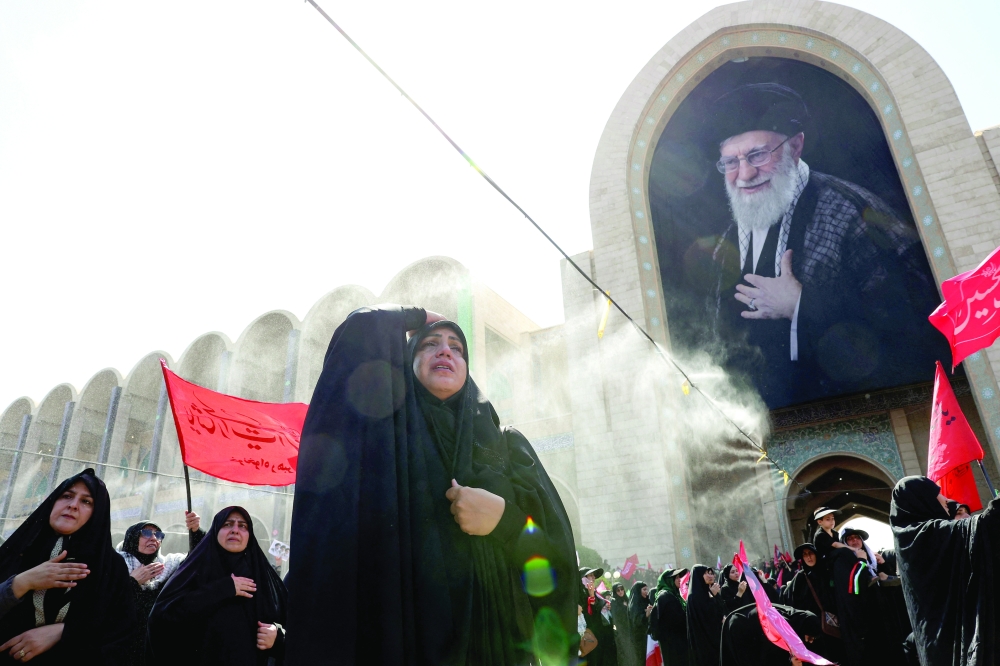
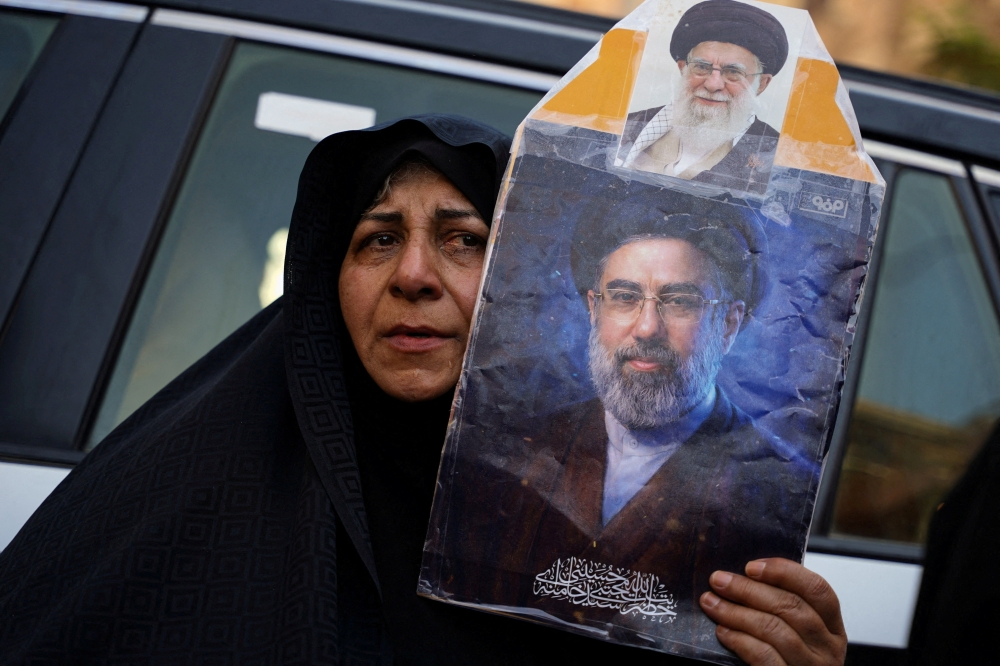
On February 28, the United States and Israel shocked the world by launching strikes across Iran and assassinating the country’s supreme leader, Ayatollah Ali Khamenei. Civilian casualties quickly mounted, including 150 civilians — mostly children — killed when American missiles struck an elementary school. Iran duly retaliated by targeting Israel and US bases across the region and throttling maritime transit through the Strait of Hormuz.
The unilateral aggression against Iran lacked international legitimacy and destabilised the entire Middle East. Arab countries suffered retaliatory attacks from Iran because they host American bases, and countries around the world faced high economic costs from spiking energy prices. The damage was also reputational for Gulf countries, in terms of safety and security.
Then, on April 7, the New York Times published a detailed report about how Israeli Prime Minister Benjamin Netanyahu had convinced US President Donald Trump to attack Iran, a decision that now needs to be examined from two perspectives.
First, it shows just how easily the US can be dragged into a war. Surely a nuclear-armed superpower should have extraordinarily robust decision-making mechanisms when it comes to matters of war and peace.
Second, it seems that the American victory in Venezuela caused the overconfidence that led to Iran. The Trump administration thought it was unstoppable with the use of military power. But things turned out to be much more complicated and difficult in Iran. By the time the Americans realised that the only similarity between the two countries was their oil reserves, it was too late. The image of America being stuck in a conflict with Iran is severely damaging. US adversaries used to be other superpowers like China and Russia, yet now Iran has joined the picture.
Meanwhile, Gulf countries have suffered as a result of American actions. Trust was already damaged in 2019, when the US failed to make good as a security guarantor following attacks on Saudi oil facilities. Now, US assets hosted by Gulf countries have become a vulnerability instead of a source of security. The US is no longer seen as a reliable security partner.
The Gulf countries will undoubtedly seek to diversify their partnerships — not only in defence but also in other areas such as trade — and this will further weaken US primacy in the region. China will likely be the biggest beneficiary, especially following its facilitation of Iranian-Saudi rapprochement in 2023.
Iran, despite all its losses, has proved that it can retaliate and resist American and Israeli attacks. The internal turmoil and regime change that many in the West expected did not happen. On the contrary, Iran defended itself while its people united in the face of the external aggressor.
That said, Iran must tread carefully. It should not mistake short-term advantages for long-term wins. Pride in defying more powerful adversaries could lead Iran’s leaders to pursue a maximalist approach in pressing their demands. But that would be counterproductive. Iran’s leadership must instead seize the moment and capitalise on what it has achieved.
Two major issues warrant closer examination: Iran’s internal political order and domestic welfare, and the broader regional order, which presents ample opportunities for mutually beneficial cooperation.
Even if it looks like Iran could sustain this conflict for much longer, Iranian leaders must consider the price of doing so. The primary responsibility of any government is to safeguard the welfare of the country’s people. With both the state and the people incurring heavy losses, the highest priority should be to secure sanctions relief and improve Iranians’ living conditions. Besides, the strategic leverage that Iran has gained over the Strait of Hormuz is not permanent. Alternative routes are being developed.
Iran’s leaders also must consider future relations with Gulf countries. Israel has long sought to push Saudi Arabia to join the US in confronting Iran, but the Kingdom has wisely refrained. Iran’s leaders should recognise this. They also must recognise that their reliance on regional proxies has not served them well. It has merely pushed Arab states toward Iran’s adversaries.
At a time when the Gulf countries are questioning their dependency on the US, continuing hostile action against them would only jeopardise Iran’s strategic gains and push Arab countries back into the old arrangements. For the region to reach a new balance, Iran and Saudi Arabia must normalise their ties. That alone would be a big step forward, because it would allow them to stop seeing each other as an enduring threat.
Moreover, regional normalisation between Muslim countries would in turn allow for progress on the Palestinian cause. Here, Iran must reckon with its own track record. Can it honestly say that its approach towards Palestine has helped? If anything, Iranian rhetoric has served as the pretext for Israel to do whatever it wants — and with unlimited military assistance from the US.
Iran must eschew a maximalist position. It can achieve sanctions relief, end the blockade, and progress towards reintegration into the international community, all without having to surrender. But the window of opportunity is closing. Following the US midterm elections in November, the Trump administration will feel less urgency to reach a deal. Indeed, it might even pursue revenge for the Republicans’ likely loss at the polls.
But just as Iran should move quickly before its negotiating position deteriorates, others should take its fears and threat perceptions into account. Decades of hostility toward the country have only hardened its position. The challenge for all sides is to reconcile the regime’s fears with Iranians’ right to prosper peacefully and safely. Project Syndicate, 2026
Oman Observer is now on the WhatsApp channel. Click here