




MUSCAT, OCT 5
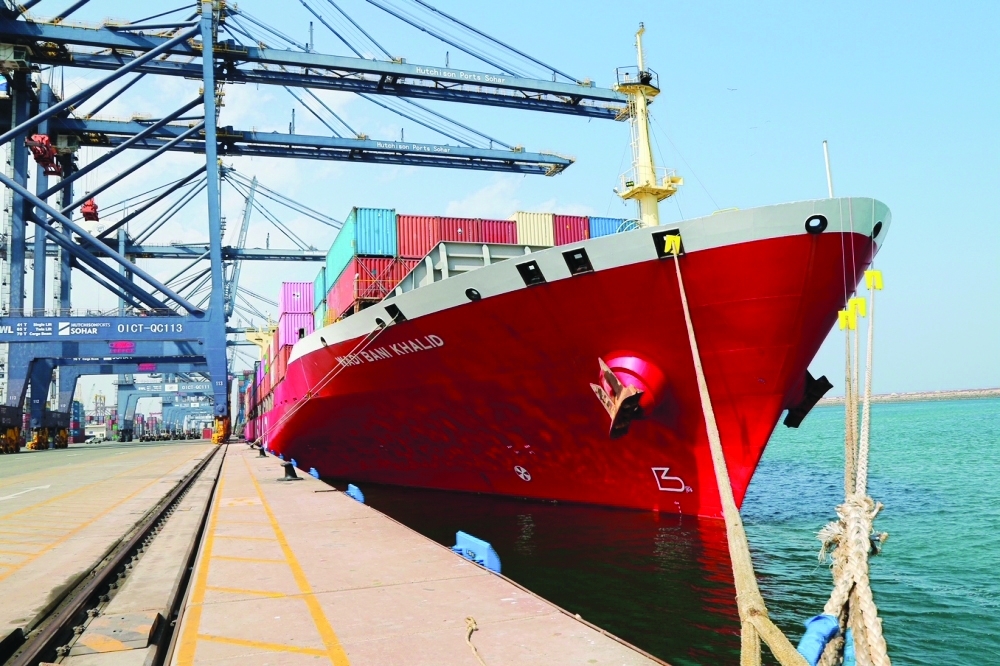
Omani products have reached more than 130 markets worldwide as the Sultanate of Oman works to strengthen the competitiveness of its non-oil exports and diversify its products and trading partners.
Non-oil exports totalled approximately RO 1.6 billion in the first quarter of 2026, according to the Ministry of Commerce, Industry and Investment Promotion.
Ministry data also showed that Oman’s ranking on the export product concentration index improved to 117th in 2025 from 119th in 2024, indicating progress towards reducing reliance on a limited range of export commodities.
Omani exports span metals and metal products, chemicals, mineral products, plastics, rubber and animal products. Efforts to expand exports focus on diversifying destinations and establishing lasting trade channels, alongside increasing volumes.
Access to new markets offers companies opportunities to establish international partnerships, develop products, improve production efficiency and strengthen their participation in global value chains.
Russia, Central Asia and East Africa are among the regions where Omani companies are seeking to expand their presence.
In September 2026, 16 Omani companies participated in the World Food exhibition in Moscow to showcase their products and connect with importers, distributors and buyers from Russia and Central Asia.
The participation formed part of efforts to open new export channels and build long-term commercial relationships.
In East Africa, initiatives focus on strengthening the presence of Omani products in Tanzania and neighbouring markets by identifying agents and distributors and establishing direct links with buyers.
A total of 24 Omani companies and enterprises participated in the Saba Saba 2026 exhibition as part of those efforts.
For exporters, entering a foreign market also requires building brand recognition, developing distribution networks and establishing partnerships that can support repeat orders and sustained demand.
The expansion of non-oil exports is closely linked to domestic industrial development. Access to wider markets can encourage companies to increase production capacity, improve efficiency, meet market specifications and invest in technology.
Export growth also depends on reliable logistics and supply chains that enable producers to deliver competitively and consistently.
A broader network of export markets, initiatives supporting exporters and investment in trade infrastructure are giving Omani companies greater scope to compete internationally.
Oman Observer is now on the WhatsApp channel. Click here