




Oman’s imports of sweetened and flavoured drinks more than doubled in 2024, with Saudi-sourced shipments rising more than sixfold, trade data show, one of the clearest measures yet of how parts of the consumer market shifted after boycott campaigns intensified in late 2023.
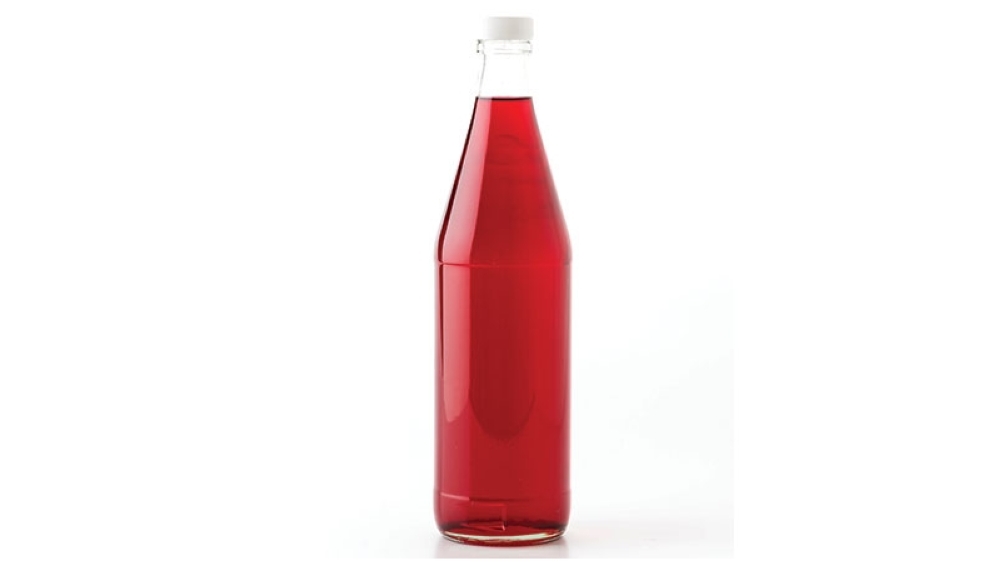
UN Comtrade importer data available through the World Bank’s World Integrated Trade Solution show imports under HS 220210 rising from $33.91 million, or about RO 13 million, in 2023 to $72.15 million, or about RO 27.7 million, in 2024.
Saudi-sourced imports in the category increased from $6 million, or around RO 2.3 million, to $39.69 million, or roughly RO 15.3 million. By calculation, Saudi Arabia accounted for about 88 per cent of the increase in the category’s import value between the two years.
HS 220210 covers waters, including mineral and aerated waters, containing added sugar, sweeteners or flavouring. It is broader than cola or any individual drinks brand, and customs values are not directly comparable with retail sales. The data therefore do not establish why imports increased or identify which brands drove the rise; they show that regional supply expanded sharply during the period.
DOMESTIC SALES UNDER PRESSURE
The same period brought a steep contraction at Oman Refreshment Company, an Omani manufacturer that holds PepsiCo beverage franchise rights in the Sultanate of Oman and has distributed Frito-Lay products since 2007.
At group level, revenue fell 34.5 per cent from RO 96.7 million in 2023 to RO 63.37 million in 2024, while a net profit of RO 6.3 million turned into a RO 2.77 million loss. The company said the weaker performance was driven mainly by disruptions arising from regional geopolitical tensions, alongside competition, changing consumer choices and the availability of imported products.
The volume figures show how concentrated the decline was in the domestic business. Sales inside Oman fell 38.41 per cent, from 23.70 million cases in 2023 to 14.60 million. Carbonated soft-drink volumes dropped 45.75 per cent, while export volumes slipped only 1.67 per cent.
Food volumes fell 46.35 per cent, from 2.07 million cases to 1.11 million. Oman Refreshment trades Frito-Lay snacks including Lay’s, Doritos, Cheetos and Sunbites, although its filing does not break out the performance of individual brands.
The distinction matters economically because Oman Refreshment is itself part of the domestic economy. It operates local production facilities and a nationwide distribution network. A consumer moving from a globally branded product manufactured or distributed by an Omani company to an imported alternative is therefore not automatically a transfer of economic activity into domestic production.
OMANI SNACKS PRODUCER GAINS GROUND
Savoury snacks present a different picture.
Euromonitor International’s August 2026 report says Ali Shaihani Group of Industries increased its company share of Oman’s savoury-snacks market from 16 per cent in 2021 to 25 per cent in 2026, while PepsiCo declined from 41 per cent to 20 per cent, leaving the Omani group ahead. The report labels the data “Company Shares 2026”.
The publicly available summary does not provide the 2023 company-share figure, so it cannot show how much of the movement occurred specifically after late 2023. The longer comparison also means the entire change cannot reasonably be attributed to the boycott period.
The evidence nevertheless shows a substantial competitive shift over five years. Ali Shaihani Group manufactures long-established Omani brands including Chips Oman, Sohar Chips, Salad Chips and Pofak Oman. Oman Refreshment’s separately reported 46.35 per cent decline in overall food volumes in 2024 provides additional evidence of pressure on the broad category, although it cannot be used as a proxy for Lay’s sales alone.
DETERGENT GAINS FACE A TOUGHER TEST
National Detergent Company provides another example of how performance changed over the same period — and why a single strong year is not enough to establish a permanent shift.
The company reported revenue of RO 24.519 million in 2024, up 15.8 per cent from RO 21.181 million in 2023. Net profit increased from RO 657,519 to RO 1,393,616, a rise of about 112 per cent. Its 2024 annual report said the market share of flagship brands Bahar and No. 1 increased compared with the previous year.
Revenue remained close to that higher level in 2025 at RO 24.26 million, down about one per cent from 2024. Net profit, however, fell to RO 423,000 as higher input and marketing costs weighed on margins. The company said its consumer-products division maintained sales volumes and the market share of Bahar and No. 1 despite aggressive spending by multinational competitors, but at a higher cost.
The latest results show further pressure. Sales for the first half of 2026 fell to RO 12.52 million from RO 13.21 million a year earlier, while the company recorded a net loss of about RO 279,000 compared with a profit of about RO 474,000.
The sequence shows that gaining additional business during a period of consumer disruption does not guarantee that higher sales or profitability will persist once competition intensifies.
AN UNEVEN REDISTRIBUTION
Taken together, the datasets do not support a simple narrative in which spending moved wholesale from international brands to Omani alternatives.
In savoury snacks, an established Omani producer has gained substantial market share over several years. In detergents, an Omani manufacturer recorded a strong rise in sales and profit in 2024, largely maintained revenue in 2025, and then came under renewed pressure in 2026. In sweetened and flavoured drinks, imports expanded sharply, with Saudi Arabia accounting for most of the increase in 2024.
The analysis does not attempt to attribute individual company performance solely to the boycott. It compares publicly reported company results, trade data and market-share estimates over the same period. Pricing, competition, product availability, retailer decisions, new launches and other changes in consumer preferences may also have influenced the results.
What the figures establish is that the adjustment was uneven. The economic outcome of a consumer switching brands depends not only on the nationality associated with the brand, but on where the replacement is manufactured, how it reaches the market and whether the business losing the sale also has production, workers and suppliers inside Oman.
Three years into the shift, the more useful measure is therefore not simply which brands consumers stopped buying, but which businesses converted changing preferences into sustainable sales, production and market share inside the Sultanate of Oman.
Oman Observer is now on the WhatsApp channel. Click here