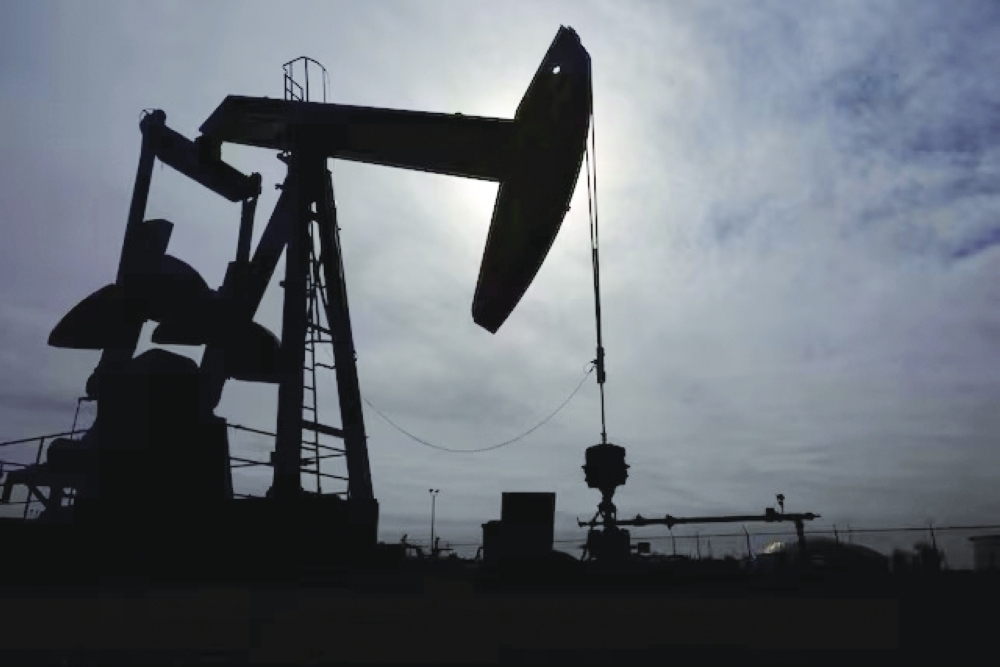
According to the executive director of the International Energy Agency (IEA), Fatih Birol, the Middle East war and the closure of the Strait of Hormuz have caused the largest supply disruption in global oil market history. The Strait of Hormuz is the most vital energy shipping choke point. It lies between Iran and Oman's Musandam Peninsula. At its narrowest point, it is nearly 54 kilometres across, with two shipping lanes just 3.7 km wide, one in each direction separated by a buffer zone. It is the primary oil route from Saudi Arabia, the UAE, Kuwait, Qatar, Iraq, Bahrain, and Iran. Since the war began, shipping activity has declined sharply. The Strait of Hormuz remains open to some escorted crude oil tankers, yet it is a high-risk, severely restricted war zone.
Although everyone focuses on the 20 million barrels of oil that usually pass through the Strait daily, the waterway also carries 112 billion cubic metres of gas annually. Middle East's impact is far greater and extends beyond the energy sector. It also affects non-oil commodities like fertilisers and feedstocks (urea and ammonium), sulfur, methanol, graphite, aluminium, helium, iron pellets, and green hydrogen infrastructure.
World Bank reports estimate that 60-80 countries are directly exposed to the shipping threat. UNCTAD reports that around 61 vulnerable economies also need to recover from the shock. 174 economies face shipment-exposure threats, indicating that indirect impacts are widening through freight, fertiliser, metals, and food prices. Current shortages are already reshaping supply chains in real time. The attacks have also severely damaged up to 40 key energy assets. According to the Global Risks Report, geoeconomic confrontation is a leading risk in the near future.
Sulfur is a yellow nonmetal solid; industries use it to make sulfuric acid for phosphate fertiliser production. It is a critical energy material and a primary byproduct of oil and gas refining. Nearly half of global supply travels through the Strait of Hormuz. Sulfur is also used for electric vehicles, batteries, and renewable energy storage. This shortage could increase costs for industrial hubs across countries. The surge in Sulfur prices could affect the transportation sector and large-scale commercial farming.
Methanol is a highly flammable industrial alcohol used to make chemicals like plastics, resins, coatings, synthetic fiber, and paints, affecting the chemical value chain. Around 1/3 of the global methanol trade passes through the Strait of Hormuz. China, the world's largest consumer and importer of methanol, could face challenges if Middle East exports remain disrupted.
The Arabian Gulf accounts for at least 20% of all seaborne fertiliser exports. Many countries face challenges as urea supply is disrupted; urea is a nitrogen-rich compound and a core input for modern agriculture and industry. Urea is the world’s most widely used nitrogen fertiliser. The supply disruptions are affecting even large, diversified economies like the United States, as 46% of global trade originates from this region. This could drive up costs and inflationary pressures.
Outside China, the Middle East is a major global supplier of aluminum, producing 9% of primary aluminum. Aluminum is widely used in transport, construction, and renewable energy. The global aluminum market is sensitive to supply pressures in the Gulf. Helium is another important gas that is a by-product of natural gas processing. Qatar produces one-third of the world's helium supply. Helium plays a key role in transport, fiber optics, semiconductor manufacturing, and industrial processes. The Gulf also provides reduced-iron and iron pellets used as inputs in the steel sector. Because the shipping sector runs on thin margins, freight unpredictability, longer transit times, and higher shipping prices could exacerbate tensions. The ongoing crisis demands that diverse sourcing, alternative transport routes, strategic reserves, and more resilient supply chains are no longer optional but necessary.
Oman Observer is now on the WhatsApp channel. Click here