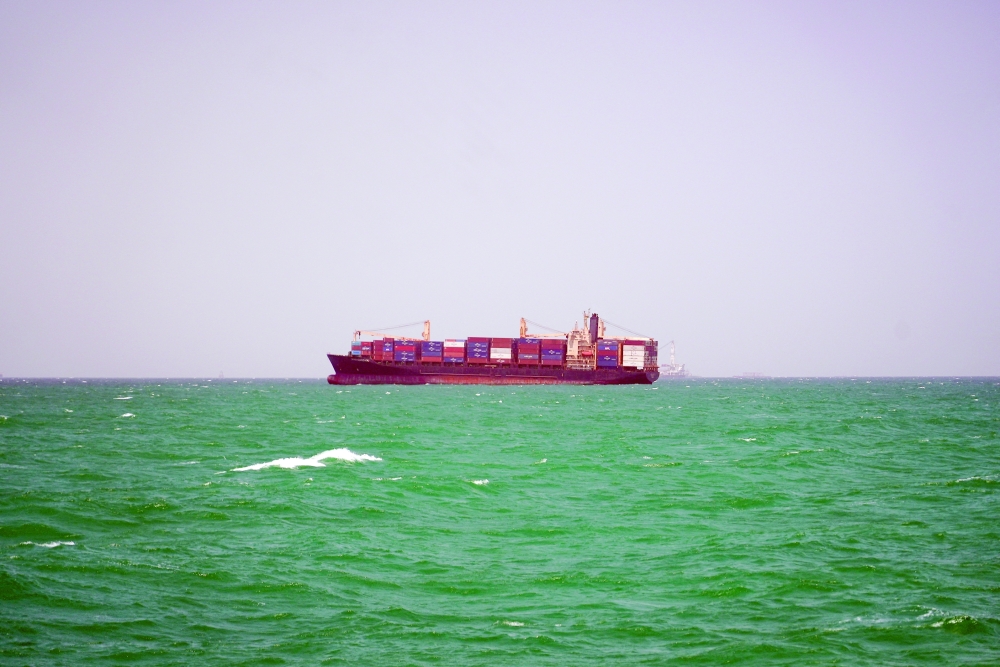





Tankers in the Red Sea have begun loading oil from a critical Saudi Arabian pipeline that was shut down this month after it was damaged in an attack.
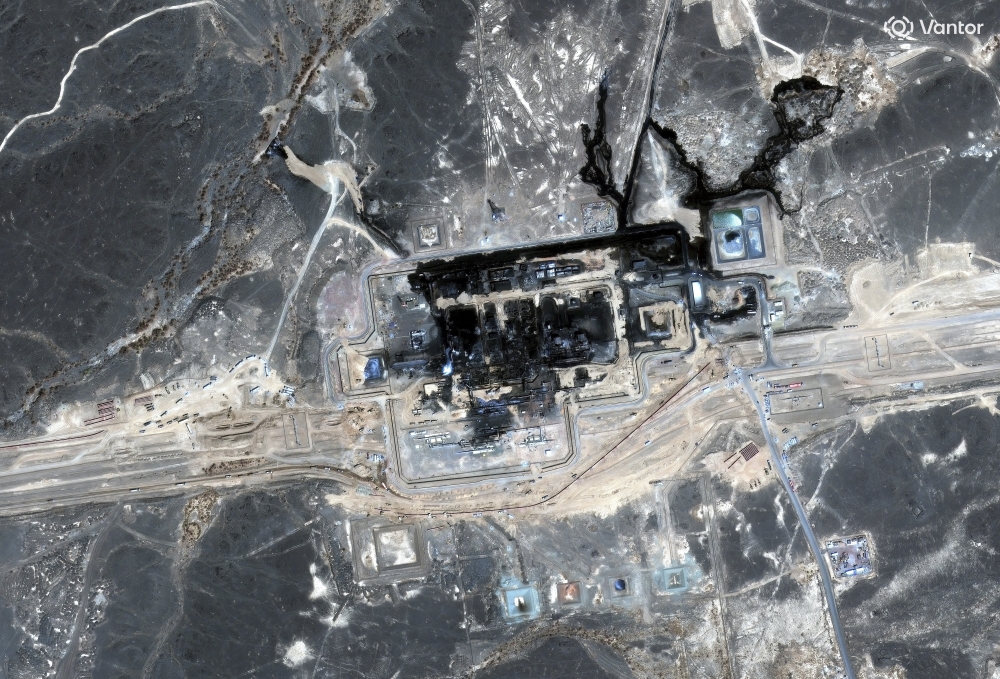
A total of nine tankers on the Red Sea coast have loaded about 12.5 million barrels of crude since Sunday, according to satellite imagery analyzed by Kpler, a maritime data firm. Three of those tankers were loaded in just the last 24 hours, the strongest indication yet that the East-West pipeline, a 750-mile network that transports crude across Saudi Arabia, was at least partly working again. Saudi authorities said on Sept. 11 that they had taken the pipeline offline, blaming a drone attack by Ansar Allah.
“The pipeline has resumed,” said Amena Bakr, head of Middle East & OPEC+ Insights at Kpler. Neither Saudi Arabia’s energy ministry nor Saudi Aramco, the state oil giant, has made any public statement on the pipeline since it was attacked, and each declined to comment on the resumption of operations.
An extended closure of the East-West pipeline threatened to drastically reduce how much oil Saudi Arabia, the region’s largest oil exporter, could get out of the region.
The pipeline became the Saudis’ main workaround when the war in Iran effectively shut the Strait of Hormuz seven months ago. To get oil from Red Sea ports to global markets, tankers must transport it through the Bab el-Mandeb Strait on the southern end of the Red Sea or the Suez Canal and a pipeline across Egypt at the northern end of the sea. The Bab el-Mandeb Strait, largely controlled by Ansar Allah, can be perilous to navigate.
Yasir O. Al-Rumayyan, chair of Aramco, said in June that engineers had expanded the pipeline’s maximum capacity to carry up to 7 million barrels per day, calling it a “lifeline” for the country. In the weeks before it was struck, it was delivering 4 million to 5 million barrels of oil daily, analysts said.
Saudi Arabia has restored flows to about 3.5 million barrels per day, according to two people with knowledge of the pipeline repairs who were not authorized to speak publicly.
While getting back to full capacity could still take weeks, analysts said the repairs had proceeded quickly. In 2019, Saudi Aramco suffered a major Ansar Allah attack on its facilities and was able to restart pumping operations within a few days. And this past April, when a pumping station was attacked shortly after the war in Iran began, full capacity was restored within seven days.
“The ability to keep the flows going is integral to the Saudi economy,” said Colby Connelly, head of Middle East content at Energy Intelligence, a research firm. “Their ability to show their buyers that they can continue to be a reliable supplier, even in the face of these very extreme circumstances, is extremely important to them,” he said.
The workaround aside, Saudi Arabia and the United Arab Emirates in recent weeks have been steering vessels through the Strait of Hormuz with the help of the U.S. Navy. Though more oil is getting out, prices remain elevated as demand continues to outstrip supply. The global price dipped slightly on Tuesday but was still about 40% higher than it had been before the start of the war.
This article originally appeared in The New York Times.
Oman Observer is now on the WhatsApp channel. Click here