




MUSCAT: The Sultanate of Oman joined Arab countries in marking Arab Agriculture Day, highlighting the importance of sustainable rangeland management as a key pillar of agricultural development, livestock production and resource conservation.
This year’s observance focuses on the sustainability of Arab rangelands and their role in supporting livestock, preserving natural resources and strengthening the resilience of rural and pastoral communities.
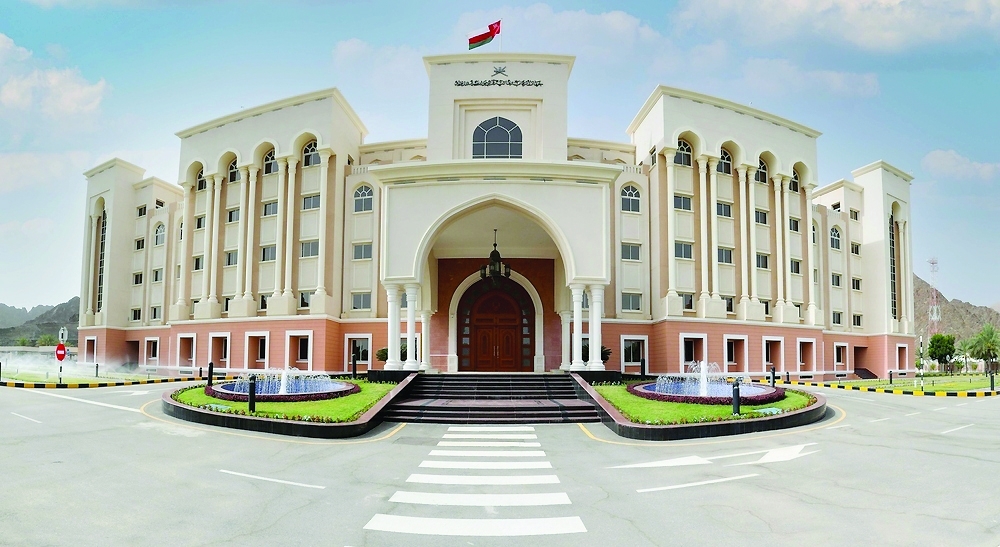
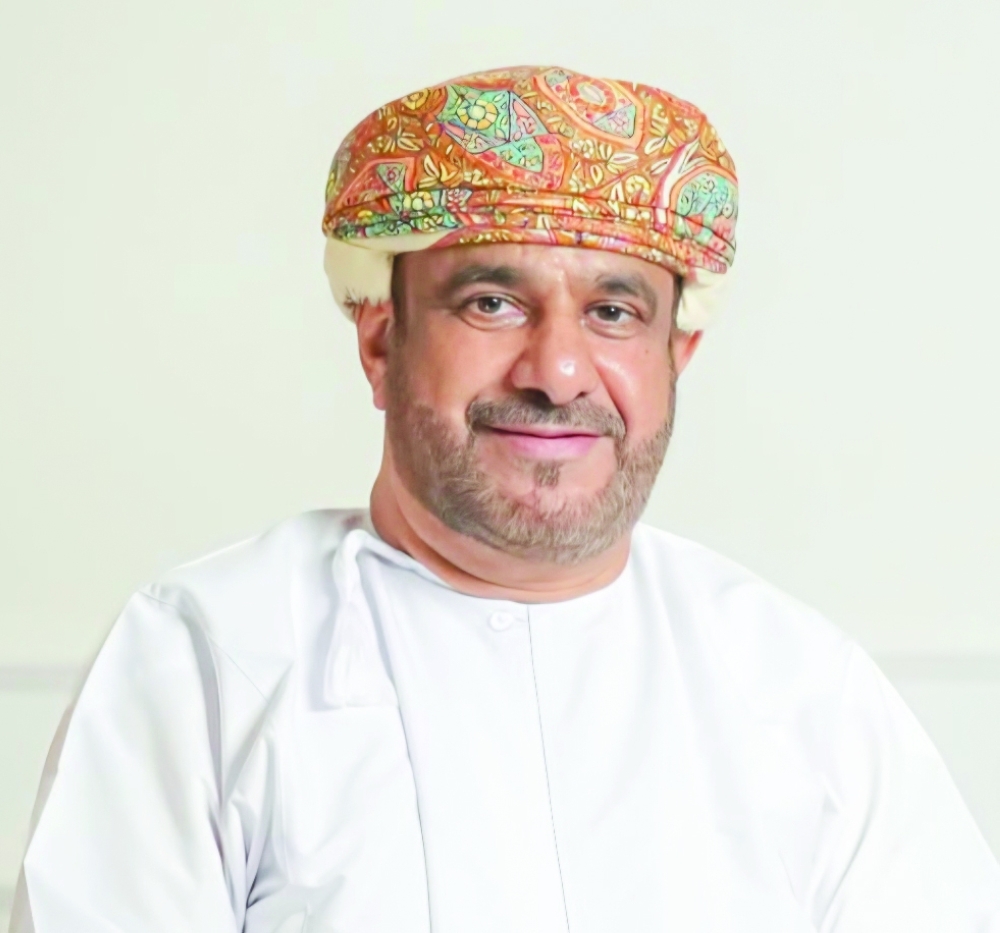
Eng Mansour bin Hamoud al Wadhahi, Assistant Director-General for Agricultural Development at the Ministry of Agricultural, Fisheries and Water Resources, said sustainable agricultural development depends on protecting land, water, vegetation and other natural resources.
He stressed the need for sustainable management of rangelands amid growing challenges posed by climate change, irregular rainfall, rising temperatures, water scarcity, land degradation and unregulated grazing.
Al Wadhahi said modern technologies, including remote sensing, geographic information systems, satellite imagery, climate data and digital mapping, should be increasingly used to monitor rangeland conditions, identify areas vulnerable to degradation and support restoration and grazing decisions.
Oman’s diverse geography has created different rangeland and pastoral systems, ranging from mountainous and desert environments to seasonal grazing areas in Dhofar Governorate.
He noted that Oman has long recognised the importance of natural rangelands to livestock, the environment and local communities. The Rangelands and Livestock Management Law, issued under Royal Decree No 8/2003, stipulates that natural and cultivated rangelands are state-owned and designated for public benefit. The legislation also assigns the competent authority responsibility for restoring degraded rangelands and protecting them from overgrazing.
The regulatory framework was subsequently updated through Ministerial Decision No 1/2025, which amended provisions of the executive regulations of the Rangelands and Livestock Management Law.
Among Oman’s initiatives is the rangeland rest programme in Dhofar Governorate, launched on the sidelines of the 16th Conference of the Parties to the United Nations Convention to Combat Desertification in Riyadh in December 2014, with the participation of national and international partners.
The initiative seeks to reduce rangeland degradation, regulate grazing and restore approximately 10,000 hectares of degraded land.
Al Wadhahi said rangeland management should shift from responding to degradation after it occurs to proactive management based on monitoring and early prediction.
He noted that restoring rangelands is not only an environmental issue, but also an economic and social one, as declining pasture productivity increases feed, water and production costs and places additional pressure on pastoral communities.
Oman had an estimated 4 million farm animals in 2024, while domestic production that year included about 51,000 tonnes of red meat, 241,000 tonnes of fresh milk and 150,000 tonnes of poultry meat.
He said these figures underline the importance of rangelands and livestock as a productive and economic foundation of Oman’s agricultural development system.
Al Wadhahi also called for stronger Arab cooperation in addressing common challenges, including drought, desertification, climate change, land degradation and water scarcity.
He proposed greater cooperation in exchanging rangeland and vegetation data, developing maps using remote sensing and GIS technologies, and sharing experiences in rangeland restoration, grazing regulation and nature-based solutions.
Arab Agriculture Day is observed annually on September 27, marking the establishment of the Arab Organization for Agricultural Development in 1972. The occasion provides an opportunity for Arab countries and agricultural institutions to highlight achievements and sustainable plans aimed at strengthening food security and protecting natural resources. - ONA
Oman Observer is now on the WhatsApp channel. Click here