




As global inflation trends gain increasing importance due to shifting economic dynamics, the Ministry of Economy of the Sultanate of Oman continues to monitor price movements, market conditions, and supply chains closely.
In an official statement, the Ministry affirmed its commitment to implementing appropriate policies and measures to ensure market stability and the continuous availability of goods. These efforts aim to mitigate the impact of external market fluctuations on the national economy, thereby supporting social stability and sustainable growth.
Dr. Nasser bin Rashid Al Maawali, Undersecretary of the Ministry of Economy, stated that the average inflation rate in Oman stood at approximately 2.9% between January and August 2026. This compares favorably to the projected global average of 4.7%, according to International Monetary Fund (IMF) forecasts.
Dr. Al Maawali highlighted that global inflation is increasingly linked to international market volatility, driven by economic interdependence and interconnected supply chains, trade, and investment flows. Consequently, these global variables affect different nations and sectors to varying degrees.
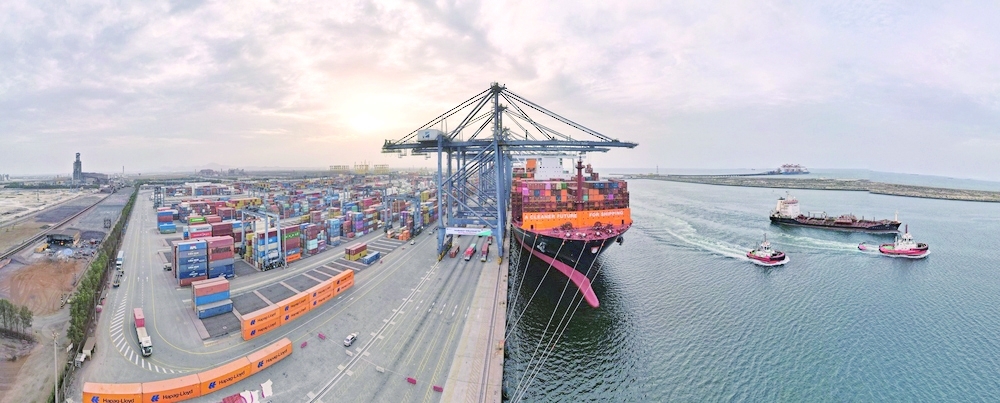
He added that regional geopolitical developments and supply chain disruptions have driven up global transportation and logistics costs, as well as the prices of various goods and services. Given its integration with global markets, Oman’s economy remains exposed to these external factors.
To counter these pressures, the Ministry of Economy is collaborating with relevant entities and partners to strengthen Oman’s economic and institutional capabilities. This strategy aims to enhance national economic resilience, navigate external disruptions, and sustain long-term growth.
Dr. Al Maawali emphasized that inflation management is approached through an integrated economic and social framework aligned with the Sultanate’s fiscal and monetary policies. This comprehensive approach balances price stability, sustainable growth, and private sector support while boosting supply chain resilience and diversifying import sources to ensure lasting economic stability.
Oman Observer is now on the WhatsApp channel. Click here