




MUSCAT, SEPT 23
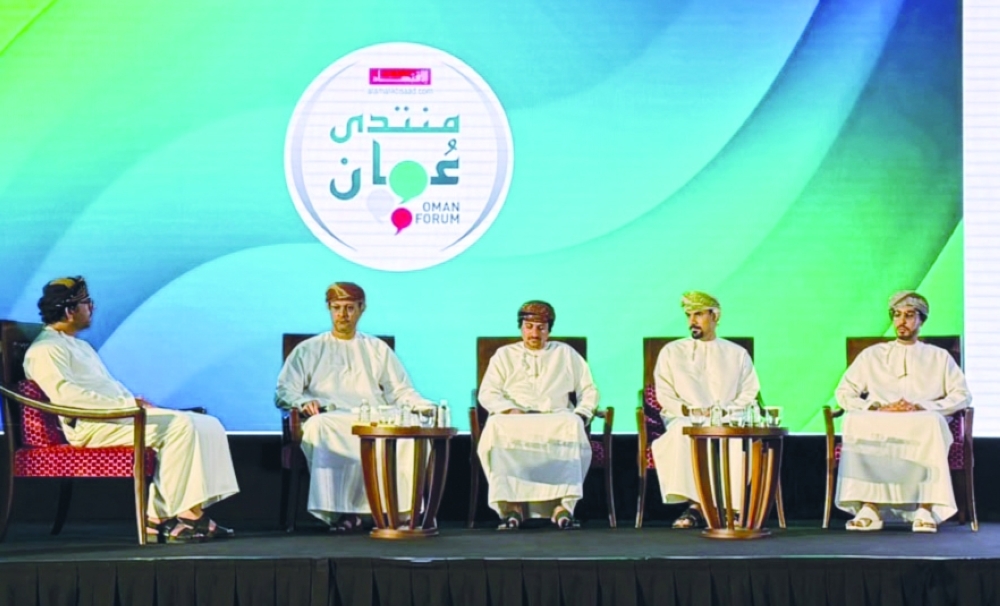
Oman's private sector produced about RO 22.4 billion in output in 2024, equivalent to around 54.3 per cent of gross domestic product, according to figures presented at the 14th Oman Forum.
The sector also accounted for about 65.5 per cent of gross fixed capital formation. The number of active private establishments reached 269,714 in the second quarter of 2026.
The figures were presented by Mubarak bin Khamis al Hamdani, Director of the National Office for Foresight, in a session on the outlook for Omani private-sector growth to 2030.
The forum was held under the auspices of HH Sayyid Hamoud bin Qais bin Tarik al Said. Its theme was "The Future of Growth: How the Private Sector Leads the Next Phase in a Changing World".
In his presentation, Al Hamdani set out four priorities for the coming phase: scaling up firms with growth potential, raising productivity, increasing exports and improving job quality. The aim is to help more small companies grow into larger, more competitive enterprises.
Al Hamdani pointed to opportunities in industrial services and specialised maintenance, energy and water efficiency, applied digitalisation, food and fish processing, healthcare and rehabilitation, and specialised logistics and tourism. On expansion into GCC markets, he said Omani companies need a reliable supply capacity, qualification with buyers and close-to-customer services. They must also manage transport, inventory, financing and compliance costs. He also called for financing tools more closely tied to firms' actual expansion needs.
In the keynote address, Khalid bin Salim al Ghammari, Under-Secretary of the Ministry of Labour for Labour Affairs, said capital, projects and infrastructure do not by themselves lead to growth. Growth also requires skills that turn them into productivity and quality jobs. He said careers are moving away from the traditional path of education followed by employment and towards continuous learning, reskilling and career mobility. He named green energy, logistics, advanced manufacturing, the digital economy and artificial intelligence as sectors expected to open new areas for growth and employment. He urged companies to take part in producing skills rather than only benefiting from them.
Prof Abdelnasser Yahya Hussein, holder of the UNESCO Chair in Artificial Intelligence at Sultan Qaboos University, said AI delivers real value only when businesses redesign work, decision-making and value creation around it. Adding AI tools to existing operations is not enough, he said.
Said bin Masoud al Maashani, Deputy CEO of United Media Services, said the challenge now is to turn available opportunities into investments, projects and companies that generate sustainable value and quality jobs.
Panel sessions brought together executives from OQ Alternative Energy, Salalah Mills, Esbaar, Voltamp Energy, Asyad Ports and Free Zones, Innotech and Sohar International. They discussed investment opportunities, food security, supply-chain exposure to geopolitical shifts, and financing for growth-stage companies.
The forum also saw the launch of a Youth Ideathon initiative which seeks to encourge young people to propose innovative ideas, and solutions to challenges that can help to transfer ideas into practical solutions.
Oman Observer is now on the WhatsApp channel. Click here