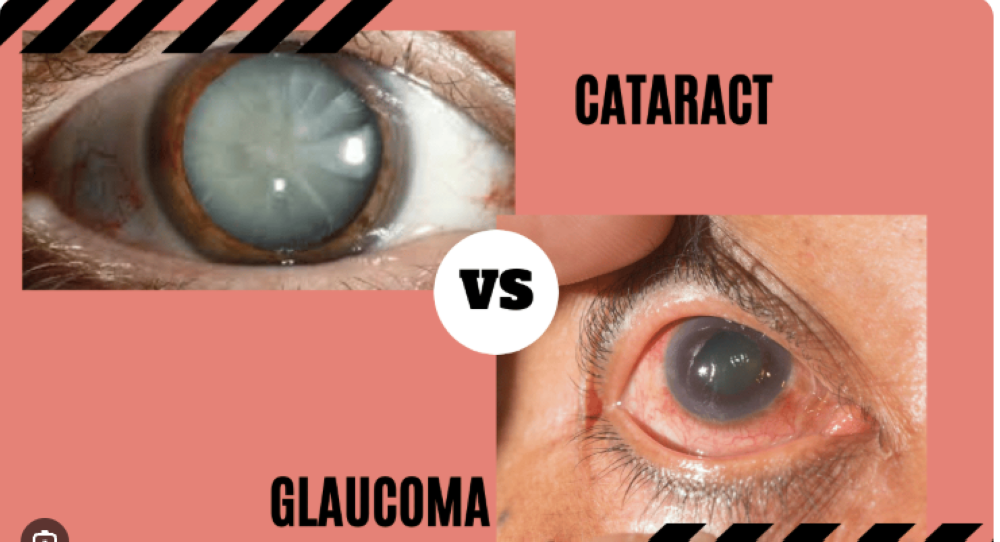





Air pollution could increase the risk of developing glaucoma and cataract, according to findings from a large systematic review and meta-analysis presented at the 44th Congress of the European Society of Cataract and Refractive Surgeons (ESCRS).
The study found that people exposed to higher concentrations of fine particulate matter had an increased risk of both eye conditions. The findings add to growing evidence of the effects of air pollution beyond cardiovascular and respiratory health.
Researchers conducted a systematic review and meta-analysis of 41 observational studies involving data from millions of people across East Asia and the UK. The analysis included some of the world’s largest eye health databases.
Researchers from several King Khalid Eye Specialist Hospital, King Fahd Medical City in Saudi Arabia, the University of Toronto in Canada, and the University of Utah found that exposure to fine dust particles known as PM5.2 was associated with an increased risk of glaucoma and cataracts in the eye.
The team assessed exposure to several common air pollutants, including fine particulate matter (PM2.5), PM10, nitrogen dioxide, sulphur dioxide, ozone, and carbon monoxide.
Pollution exposure was then compared with diagnoses of glaucoma, cataract, and age-related macular degeneration (AMD) to determine whether higher concentrations were associated with an increased risk of these conditions.
The strongest association was observed for PM2.5, the fine particulate matter found in sources such as vehicle emissions, smoke, and industrial pollution.
People living in areas with the highest levels of pollution had up to 70% higher odds of glaucoma compared with those living in the least polluted areas. For each meaningful increase in pollution exposure, glaucoma risk increased by approximately 8%.
The researchers highlighted inflammation and oxidative stress as potential mechanisms through which prolonged exposure to fine particulate matter could affect eye health.
Over time, these processes could contribute to damage to the optic nerve, which is central to the development of glaucoma, or affect the lens of the eye, potentially contributing to cataract formation.
The eyes may also be particularly susceptible to environmental pollution because the ocular surface, including the tear film, conjunctiva, and cornea, is directly exposed to outdoor air.
Although the findings indicate an association between air pollution and glaucoma and cataract risk, the evidence was drawn from observational studies and therefore cannot establish a direct causal relationship.
The researchers highlighted the need for further investigation, particularly studies involving populations living in highly polluted regions.
The findings nevertheless suggest that eye health could represent another important consideration when assessing the health effects of poor air quality and developing measures designed to reduce population exposure to pollution.
Oman Observer is now on the WhatsApp channel. Click here