




As Oman moves from the intense heat of summer towards cooler weather, the seasonal change brings more than a welcome drop in temperatures. It also marks a period when respiratory viruses, particularly seasonal influenza, can spread more easily, making prevention increasingly important, especially for people living with non-communicable diseases (NCDs).
The Ministry of Health (MoH) is urging the public to take precautions against influenza, stressing that annual vaccination is the best way to protect against infection, particularly for groups at greater risk of developing complications.
Seasonal influenza can spread rapidly through respiratory droplets and close contact. The MoH advises people to avoid crowded places, wash their hands regularly with soap and water or use hand sanitiser, ensure adequate ventilation in enclosed spaces and avoid direct contact with people showing symptoms. Wearing a mask in crowded settings and avoiding touching the eyes, nose and mouth with unwashed hands can also help reduce transmission.
According to the MoH, seasonal influenza vaccination is available for people aged six months and above, with priority given to specific groups. These include healthcare workers, pregnant women, children aged nine months, 24 months, three and four years, adults aged 60 and above, people living with chronic diseases and those with weakened immune systems or taking immunosuppressive medication. Pilgrims and Umrah performers are also among the targeted groups.
For people with NCDs, greater caution is particularly important. Chronic conditions affecting the respiratory system, heart, kidneys, liver, nervous system and blood, as well as metabolic conditions such as diabetes and hypertension, can increase the risk of complications when a person develops a seasonal infection.
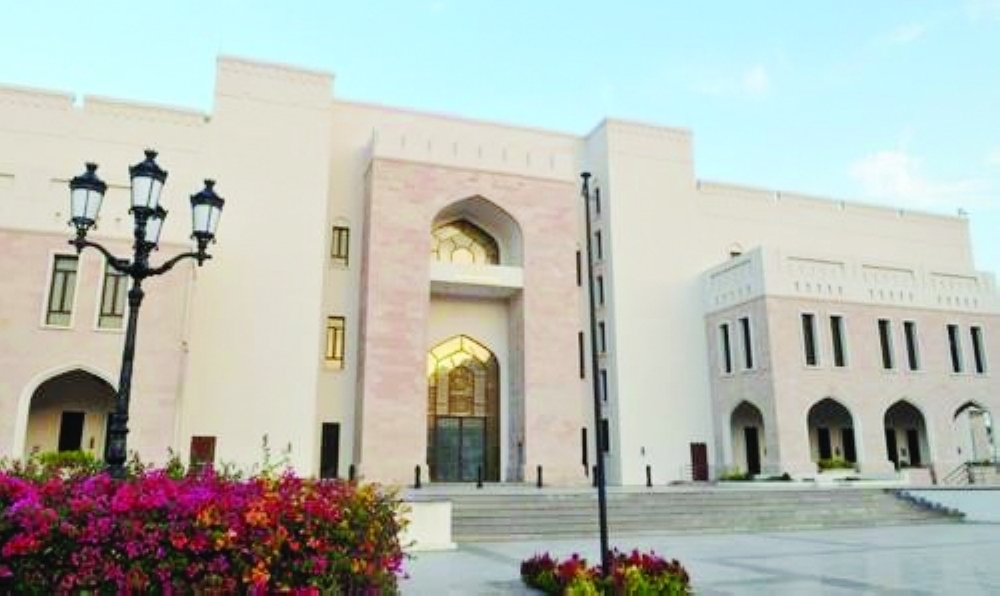
Oman’s focus on protecting people with chronic diseases is also reflected in the 2026 Omani Patient Safety Month, held under the theme “Towards Safe Care for a Lifetime”. As part of the national campaign, landmarks and buildings across Oman have been illuminated in orange in celebration of the month, drawing public attention to patient safety and the importance of safe care for people living with NCDs.
In remarks reflecting the vision behind the Royal Hospital International Congress 2026, Dr Said bin Harib al Lamki, Under-Secretary of the Ministry of Health for Health Affairs and chairman of the congress, stressed the importance of the event as a platform for bringing together expertise and strengthening integration between knowledge, innovation and healthcare practice.
He said the true purpose of developing health systems is not only to improve their ability to treat patients, but to give people more years of life with better health and quality, emphasising prevention, early detection and healthier lifestyles.
This preventive approach is also being strengthened across Oman’s healthcare system. Qamra bint Said al Sariri, Director-General of the Centre for Quality Assurance at the Ministry of Health, said work is under way to strengthen performance indicators for monitoring NCDs and evaluating the quality of healthcare. She also noted that protocols, policies and legislation related to safe care for NCDs are being reviewed.
Meanwhile, the World Health Organisation’s recognition of Barka and Yanqul as healthy cities has brought the total number of internationally recognised healthy cities in Oman to eight, reflecting the Sultanate of Oman’s wider focus on health promotion and prevention.
As temperatures shift and seasonal illnesses circulate, the message is clear: prevention begins before illness does. For people living with chronic diseases in particular, vaccination, good hygiene, ventilation and responsible social behaviour can help reduce the risks associated with seasonal infections while supporting the wider goal of keeping people healthier for longer.
Oman Observer is now on the WhatsApp channel. Click here