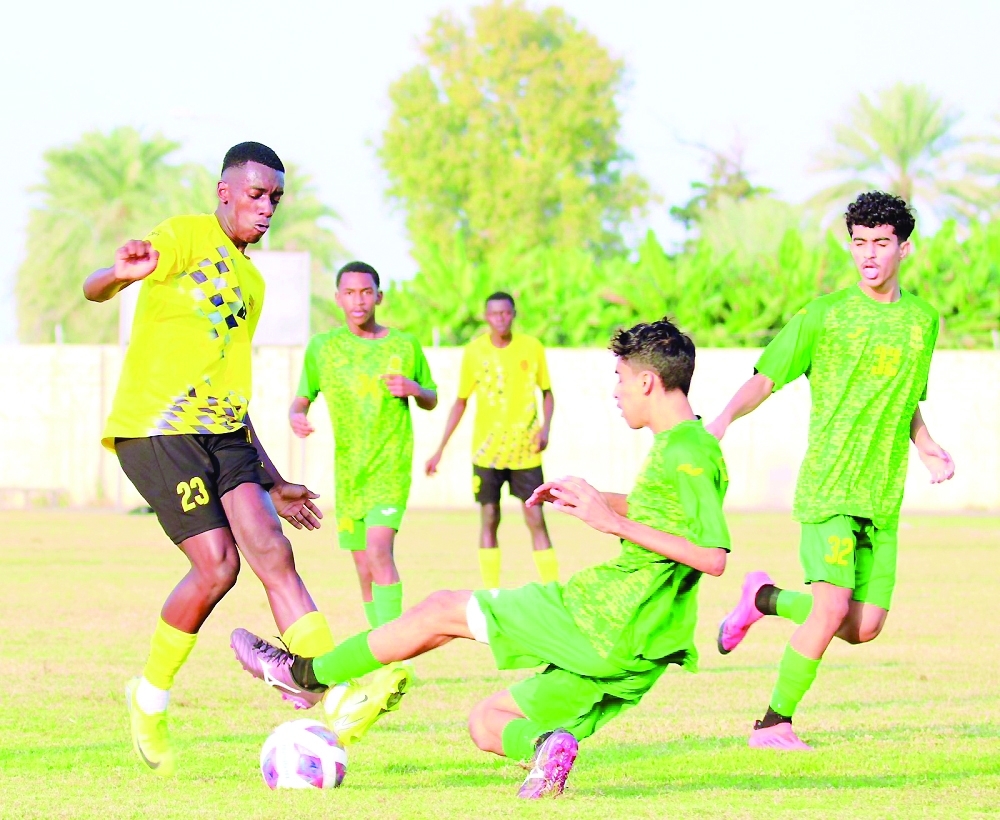





MUSCAT: Identifying a talented young footballer is only the beginning of the development process. The greater challenge for clubs, academies and national teams is ensuring that the player continues to improve, maintains a stable technical level and eventually develops into a consistent performer at senior level.
For youth football, talent alone is no longer enough. Coaches and technical departments increasingly need a structured and scientific approach that considers a player’s technical ability, tactical understanding, physical development, psychological readiness and long-term potential. The absence of common evaluation standards, continuity between age groups, sufficient competitive matches and qualified youth coaches can all affect the progress of talented players, according to coaches with experience in youth football.

CRITERIA FOR ASSESSMENT
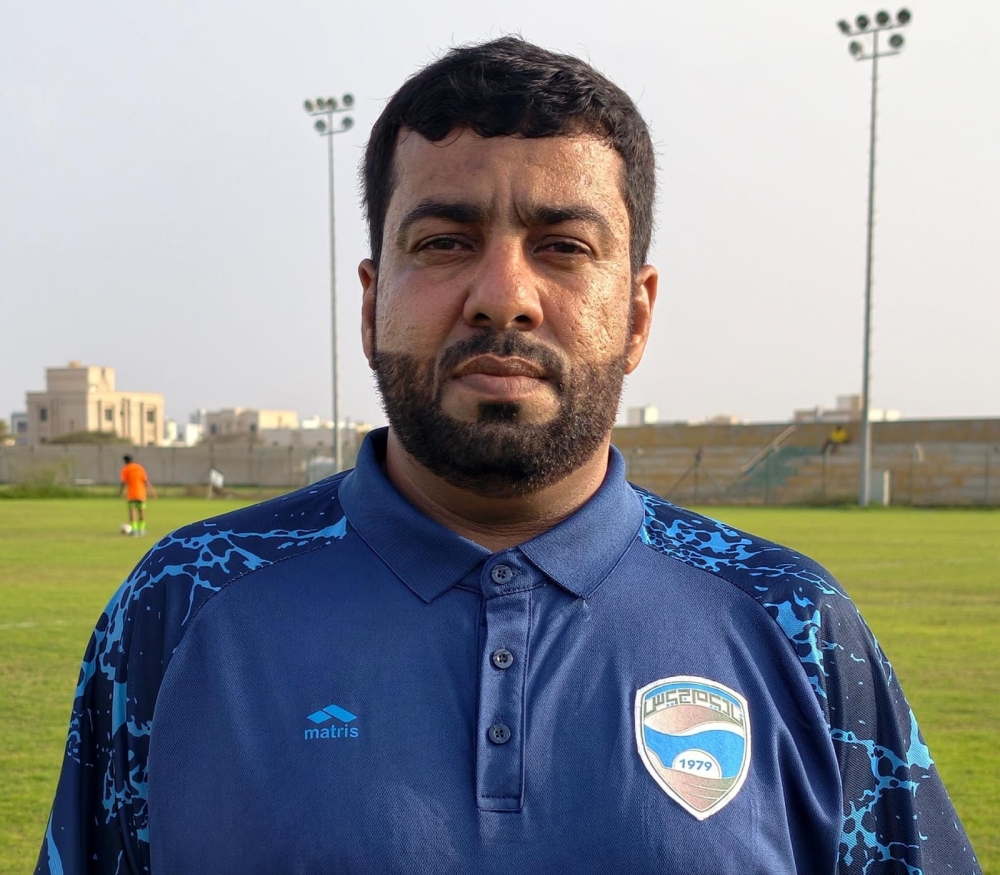
Experienced national youth coach Khalid al Lahouri believes that one of the key challenges is the lack of unified criteria for assessing young players. “Each coach looks at different aspects of the player,” Al Lahori told Oman Observer. “One coach may focus on receiving the ball, shooting, heading and ball control, while another may give greater importance to physical fitness. Others may look at speed, movement and how quickly a player makes decisions.”
He stressed that there is a need for a more comprehensive approach rather than allowing the development of a young player to depend entirely on the philosophy of an individual coach.
MORE THAN TECHNICAL SKILLS
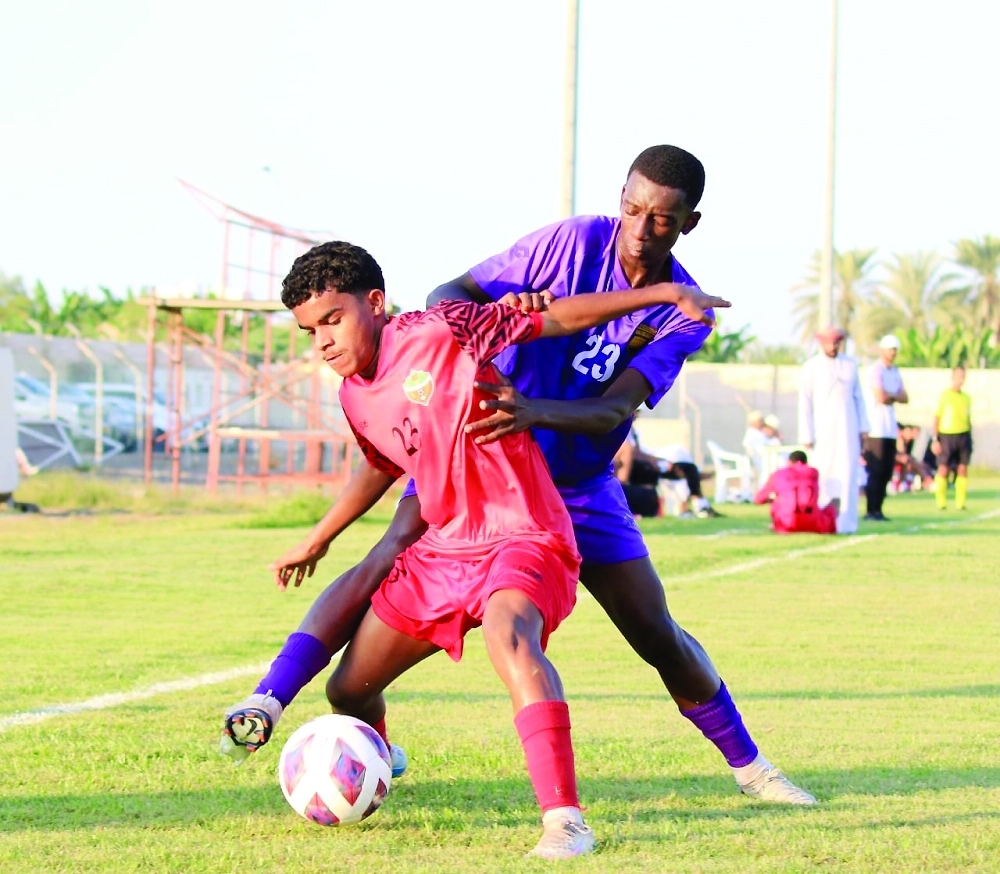
The modern youth player needs to be assessed from several dimensions. Khalifa al Shibli, Technical Director of Football at Al Madam Club in the UAE, said selection should no longer be based simply on personal impressions or a player's natural talent. He highlighted four major areas including: football intelligence and tactical understanding, technical ability, physical characteristics and psychological and professional behaviour.
A young player must be able to read the game, make decisions under pressure and understand his responsibilities during attacking, defensive and transition phases. Technically, ball control at speed, passing accuracy with both feet and the ability to execute skills under pressure are essential. Physical assessment should also look beyond a player's current strength.
“During adolescence, players go through rapid changes in height and weight, which can temporarily affect coordination and balance,” Al Shibli explained. “Therefore, assessment should consider the player's potential for future development rather than focusing only on his current physical strength.”
Mental qualities are equally important. Discipline, willingness to learn, self-improvement, the ability to deal with pressure and the capacity to recover mentally after mistakes are all part of the development process.

TALENTED PLAYERS LOSE CONSISTENCY
Al Lahouri pointed to several reasons why promising players sometimes fail to maintain their level. One of them is the absence of continuity. Young players may move between different coaches and teams without a consistent development plan, while some junior and amateur teams may not have sufficiently qualified coaches with a strong foundation in youth development.
“The player needs continuity in his development,” he said. “There has to be a clear pathway from one age group to another, with coaches who understand the fundamentals of developing young players.”
The number of competitive matches available to youth players is another concern. Al Lahouri noted that some young players may participate in only seven or eight league matches before the decisive stages, with the total number increasing only if their team progresses to the final rounds.
For a player at this stage of development, he believes the number of competitive matches should be significantly higher. “The player at this age needs to play more than 50 or 60 matches during the season to gain the required experience,” he said, stressing that training alone cannot replace the learning gained through actual matches.
Al Shibli also identified biological changes, physical and mental exhaustion, academic commitments and psychological pressure as factors that can contribute to fluctuations in performance. He called for long-term athlete development programmes in which training loads are progressively adjusted according to the player's age and stage of development.

DANGER OF EARLY PROMOTION
Another challenge comes when talented youngsters are promoted too quickly to senior football. Early exposure to first-team football can provide valuable experience, but it can also create psychological challenges. A young player who performs exceptionally well may begin to believe that he has already reached a high level, while another who struggles may lose confidence after feeling that he has failed to meet expectations. Al Lahouri believes clubs must carefully manage the transition. The objective should not simply be to place a talented youngster in the first team, but to ensure that the player is psychologically and technically prepared for the demands of senior football.
Al Shibli similarly stressed the importance of creating an environment where development, rather than immediate results, remains the priority. “Focusing on the learning process rather than the result” should be central to youth development, he said, with individual progress and teamwork given greater importance during the early stages.

QUALIFIED COACHES
The development pathway must also extend beyond clubs. Al Lahouri believes junior teams should be managed by qualified coaches, while academies and school football programmes should benefit from the experience of former players and coaches who understand the technical and developmental requirements of the game. The daily lifestyle of young players must also be considered. Many are balancing school commitments with training, sometimes travelling considerable distances to reach training grounds.
A player may finish school in the afternoon and shortly afterwards have to travel to a training session. Poor scheduling, long journeys and excessive workloads can eventually affect both physical readiness and technical performance.
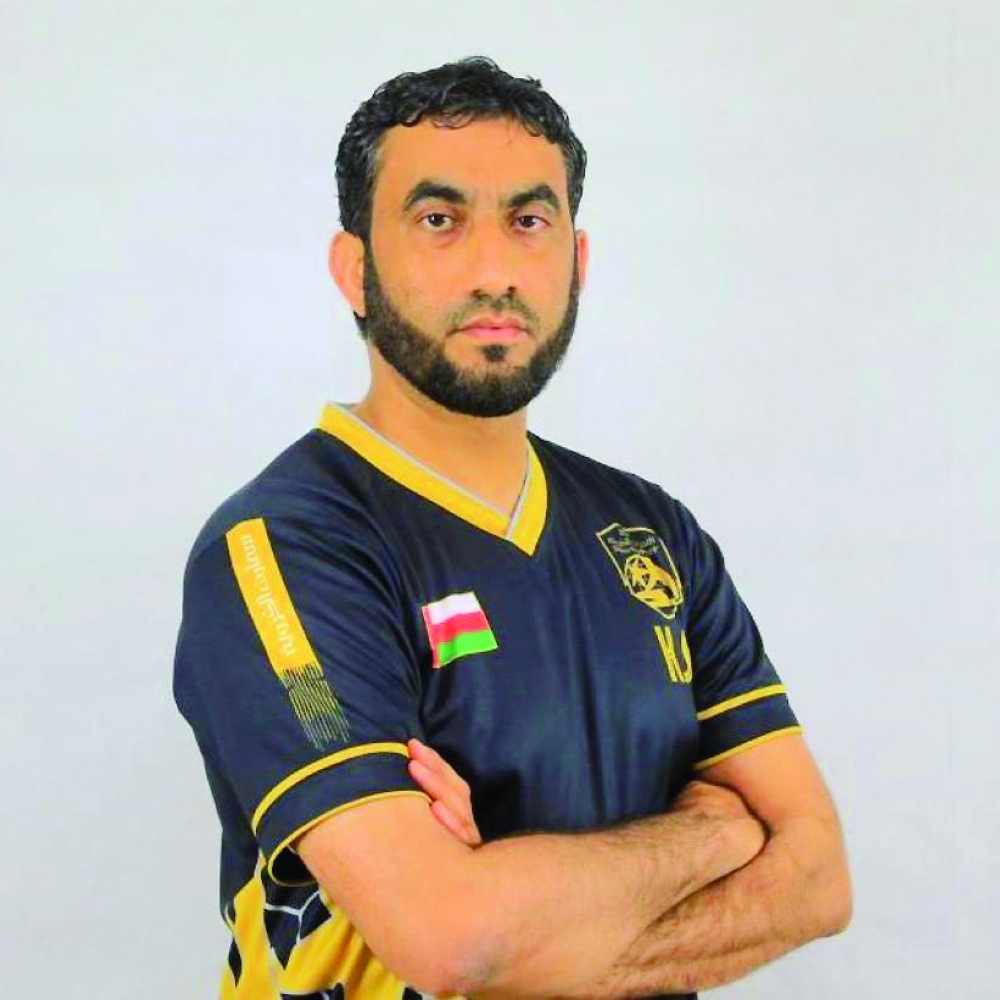
For Hassan al Farsi, a football coach experienced in youth teams, maintaining performance requires regular training, appropriate nutrition and sleep, psychological support and continuous feedback from coaches. He stressed that technical decline can also be linked to irregular training, inadequate programmes, injuries, limited match experience and inconsistent coaching approaches.
EVALUATION SYSTEM
The coaches agree that clubs need clearer and more objective methods of evaluating young players. Al Shibli proposed comprehensive evaluation cards based on key performance indicators covering four principal areas: technical, tactical, physical and psychological/behavioural performance.
Video recording and match analysis can also provide a more accurate picture of a player's ability than occasional observation from the touchline. He further recommended that promotion decisions should not rest with one coach alone. Technical directors, age-group coaches and performance analysts can work collectively to provide a broader assessment.
Khamis Mohammed, another coach with experience in football development, also stressed that consistency should be one of the most important criteria. “Player selection should not rely solely on raw talent or a single highlight from one match,” Khamis said. “It must be based on a comprehensive framework of technical, physical, mental and behavioural standards.”
He added that a player who consistently performs and improves over time may be better prepared for senior football than one whose performances fluctuate despite possessing considerable natural talent.
LONG-TERM PATHWAY
Ultimately, maintaining a talented player's technical level is not the responsibility of the player or coach alone. It requires an integrated system involving clubs, academies, schools, coaches, technical directors, performance staff and the players themselves. The pathway should begin with accurate identification, continue through structured training and regular competition, and be supported by continuous assessment as the player moves between age groups. As Al Farsi underlined, youth development is about more than producing a successful player for a particular age category. The objective is to develop footballers who can sustain their performance, adapt to increasing demands and eventually compete consistently at the highest level. The real measure of a successful youth system, therefore, is not how many talented players it discovers, but how many of those players it can develop, protect and consistently progress into senior football.
Oman Observer is now on the WhatsApp channel. Click here