




A familiar scent can take us somewhere long before a photograph or a painting does. A trace of frankincense can recall a childhood home, while the fragrance of roses may bring back a place, a person or a moment thought to be forgotten.
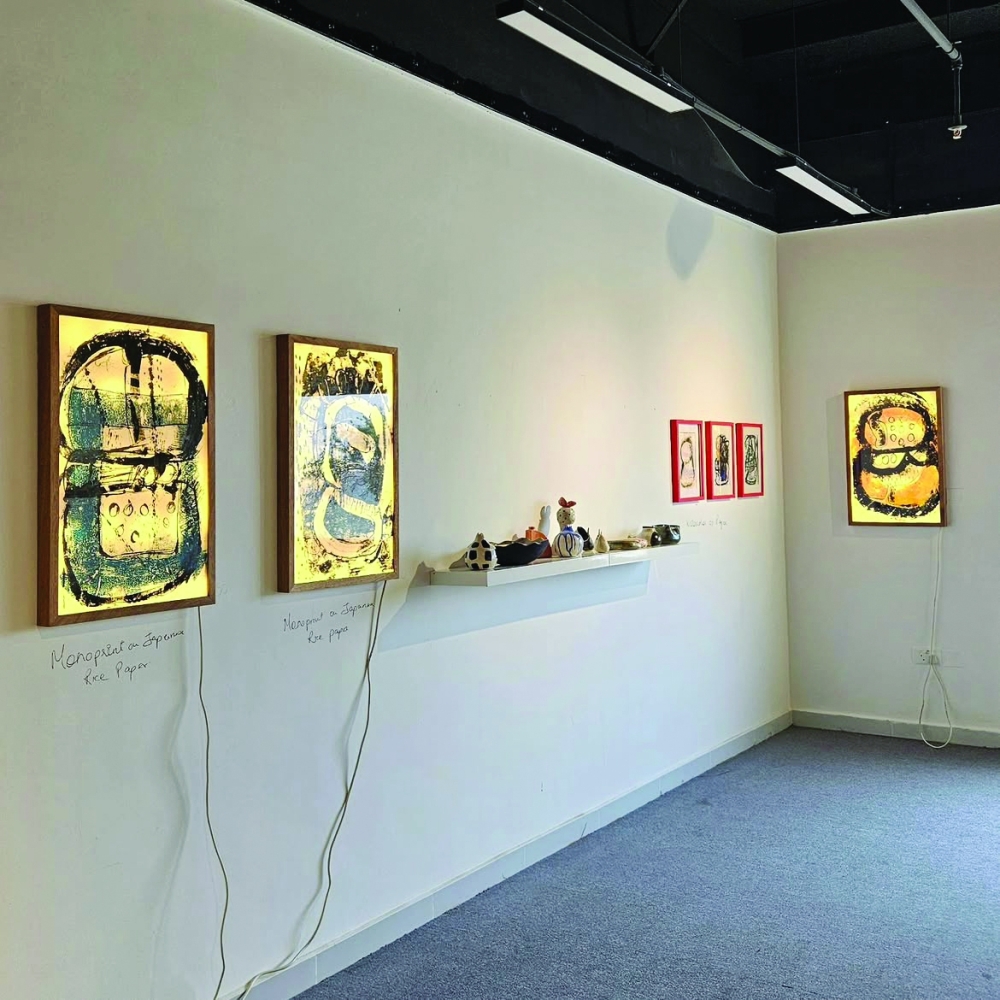
It was this intimate relationship between scent, memory and place that lay at the heart of artist Radhika Hamlai’s The Fragrance of Belonging, an exhibition held at H1 Art Gallery in Al Qurum.
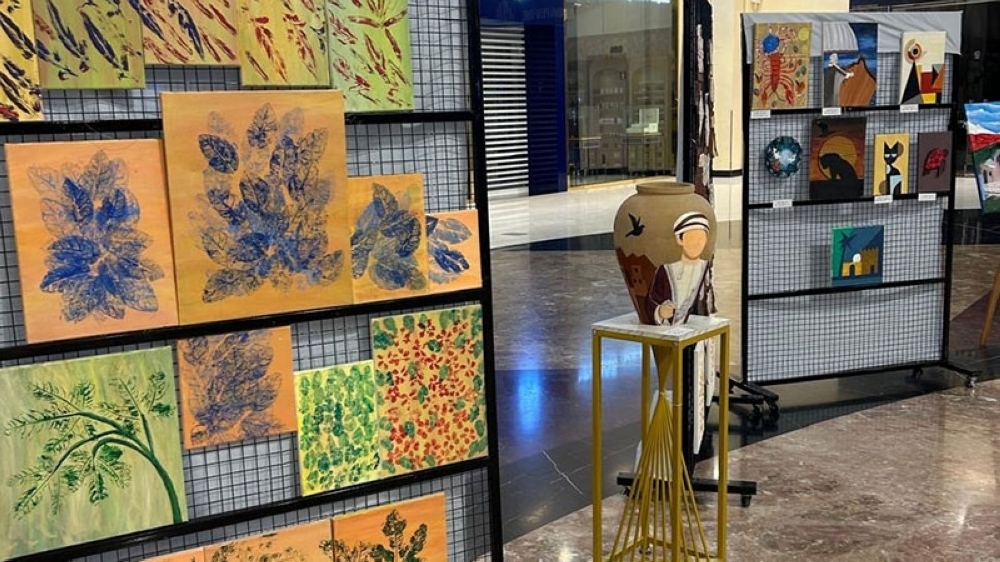
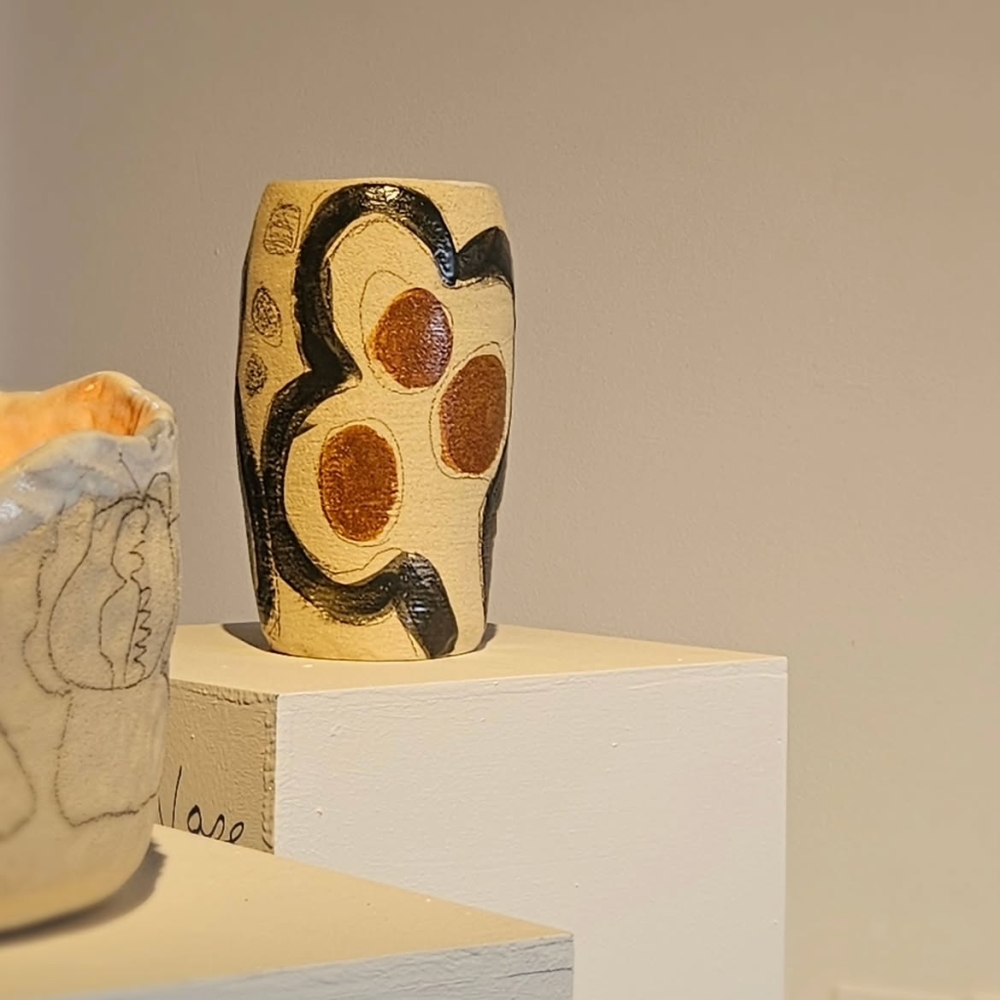
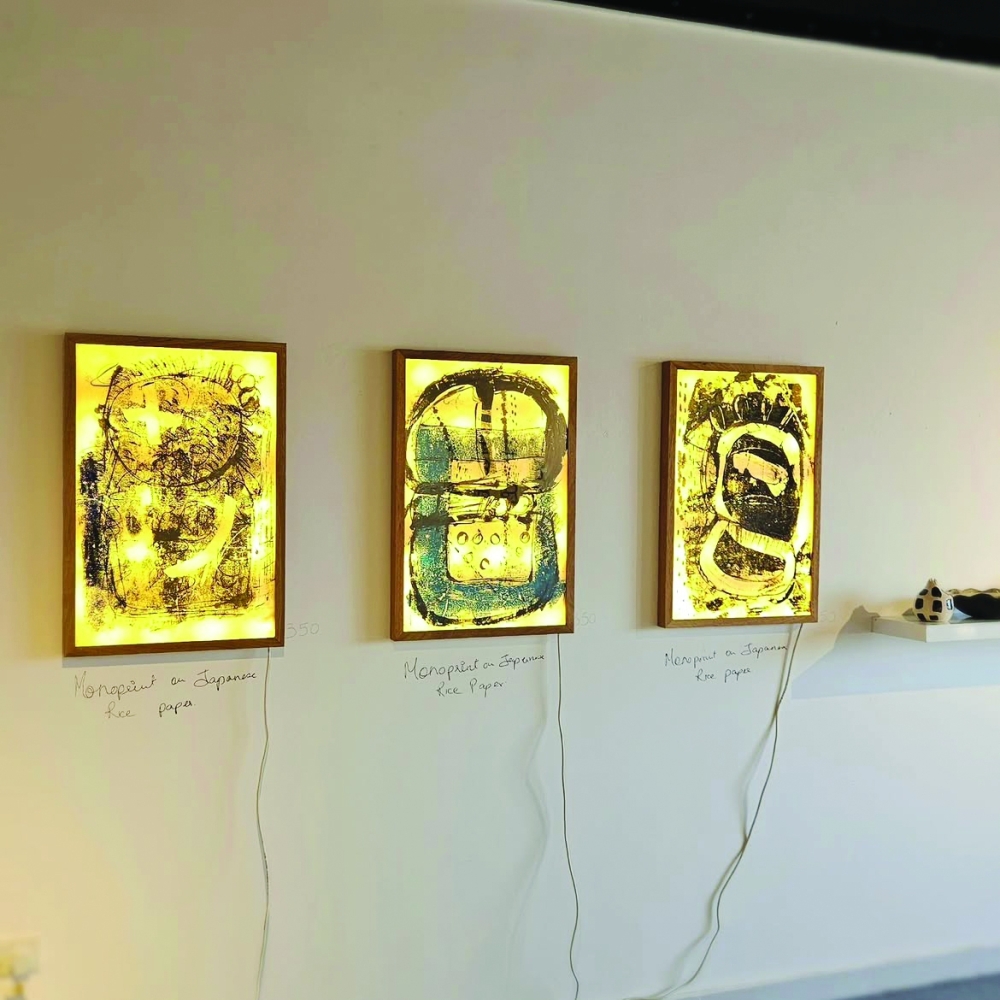
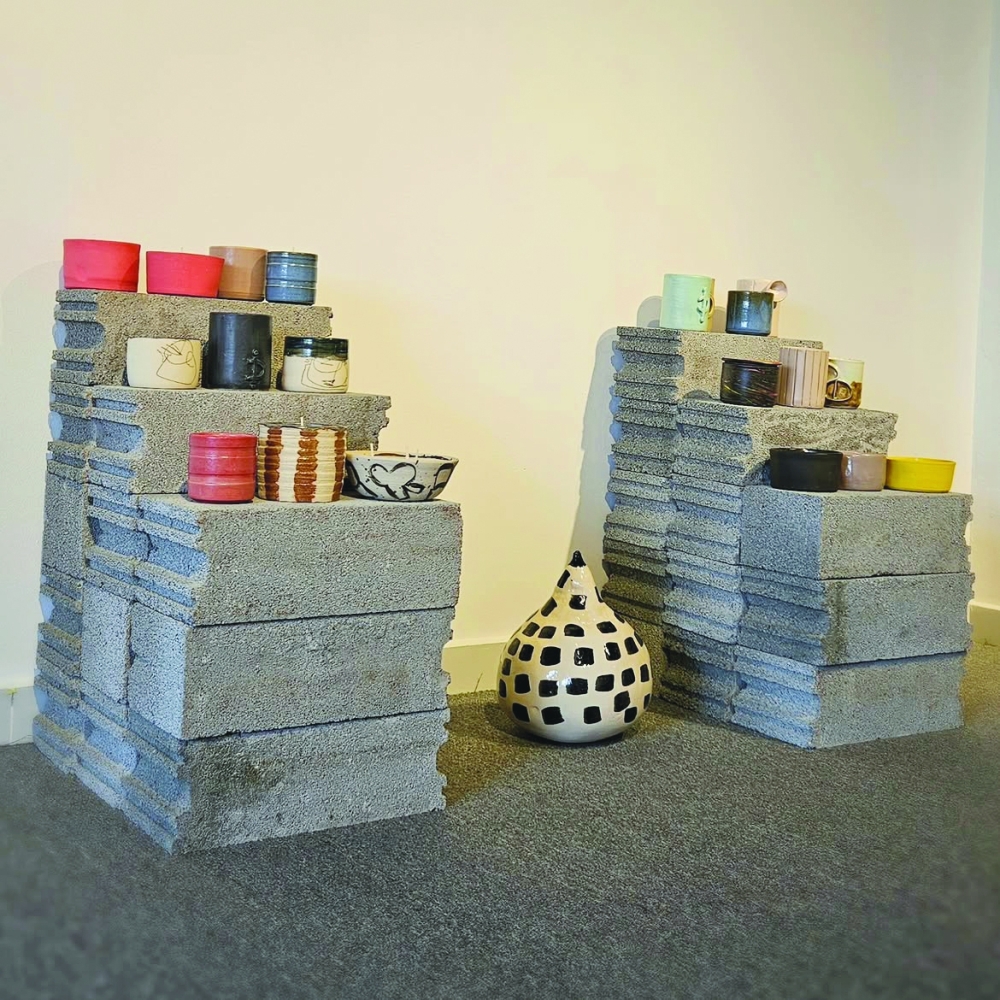
Bringing together painting, handmade ceramics, hand-painted furniture and fragrance, the exhibition transformed the gallery into a space where art was not merely observed, but sensed, remembered and experienced.
For Hamlai, belonging was not a fixed idea. It was something formed gradually through the places we inhabit, the people we encounter and the sensations that remain with us.
“We are not born with an introduction,” she said. “We sort of come into a space and we are given a name, and our identities are formed.”
Originally from India and having lived in Oman for around 35 years, Hamlai described Oman as her home. That sense of belonging ran through the exhibition, where local materials and scents became part of her artistic vocabulary.
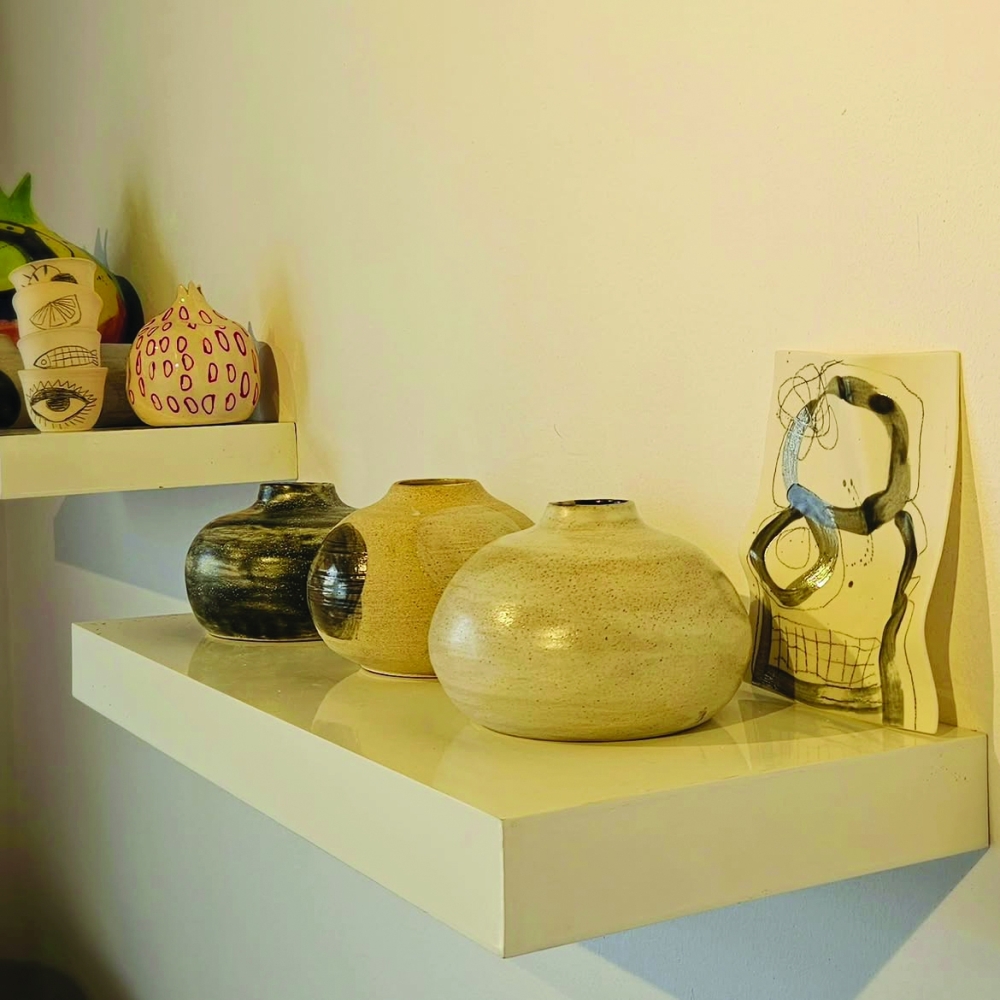
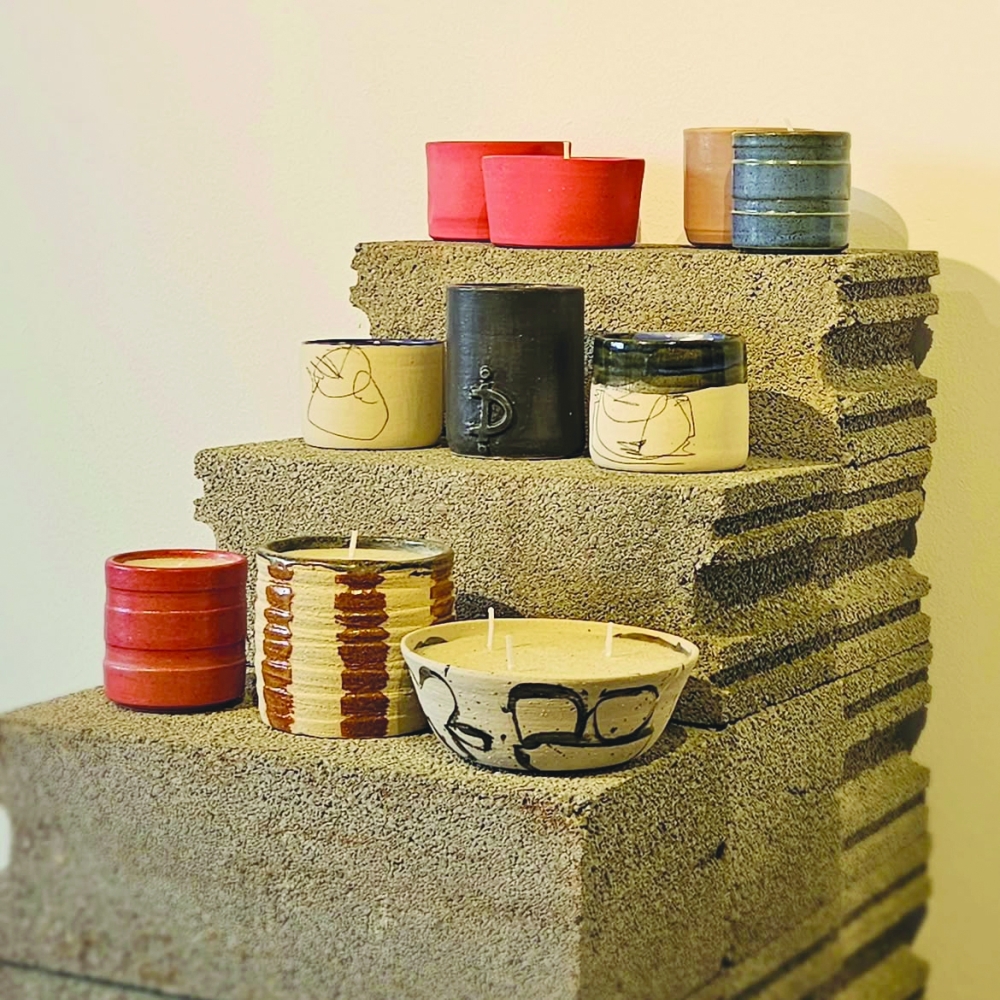
A painter by profession, Hamlai had increasingly ventured into ceramics, working with clay sourced from Oman. Through her art studio, Inma Arts, she also taught others to create ceramics, extending her interest in the handmade and the intimate relationship between people and objects.
The exhibition’s most distinctive element, however, was perhaps what could not be seen.
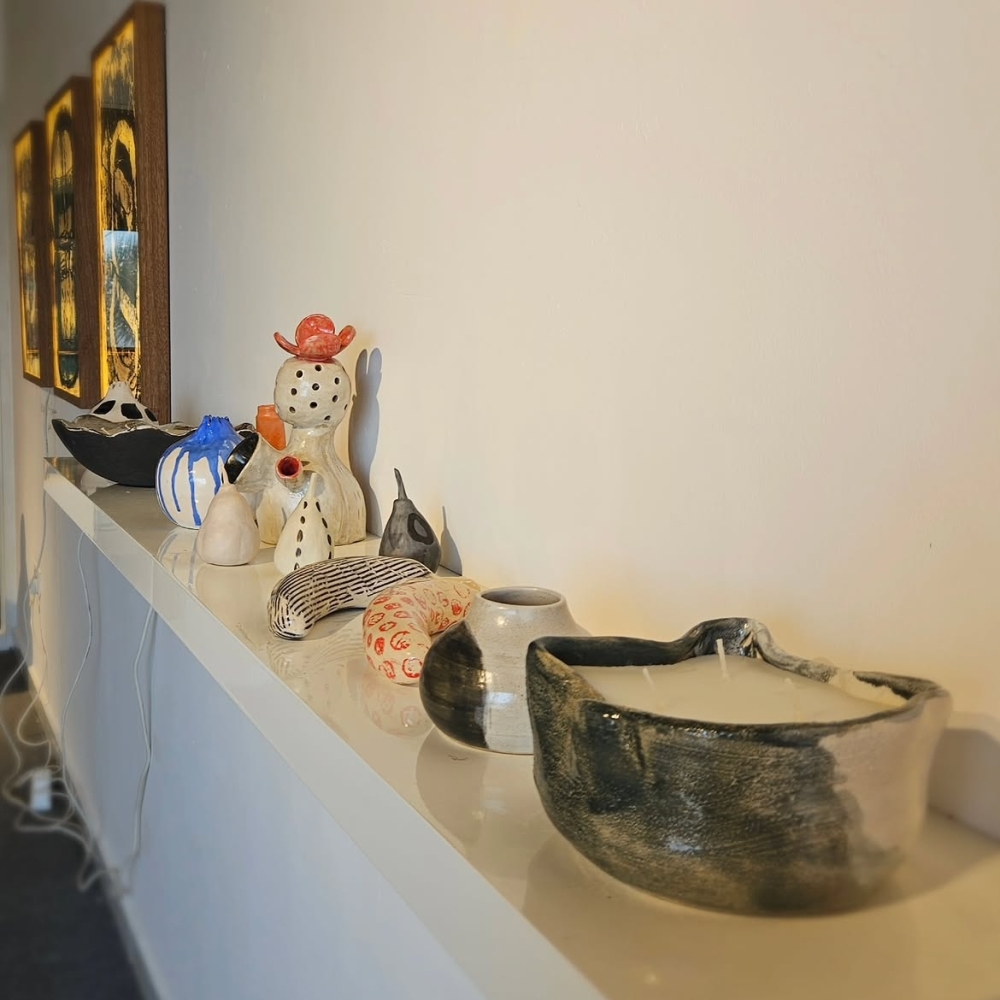
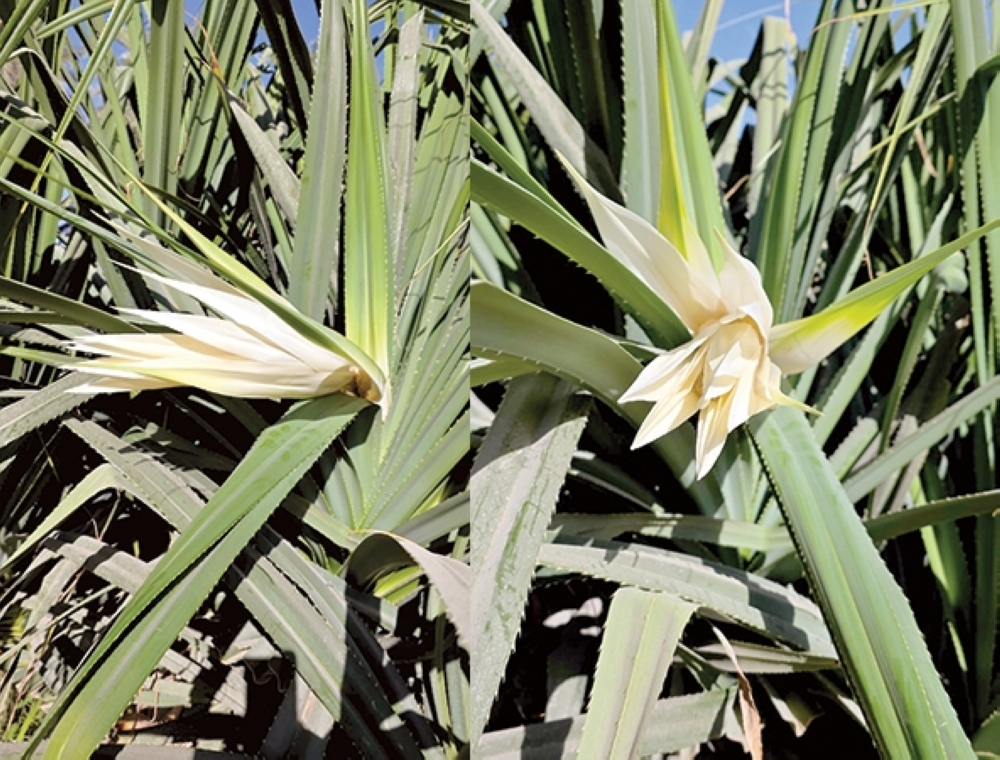
Fragrance became an invisible medium, with frankincense from Dhofar and Omani rose providing olfactory threads connecting the artworks to place. Hamlai saw scent as another language of art, capable of evoking emotions and memories as powerfully as colour, texture or form.
“Fragrance is a very important part because here the bukhoor is very important,” she said. “Everything is sourced from Oman. This is my home.”
Among the works that held a special place for her was Being Together, a versatile ceramic piece that could be hung on a wall, placed on a table or even used to serve food. For Hamlai, its adaptability carried a deeper meaning.
“I think we as humans have to be that flexible, that we can fit into any category or anywhere at any given point of time,” she explained, linking the object’s multiple functions to the human need for connection and self-understanding.
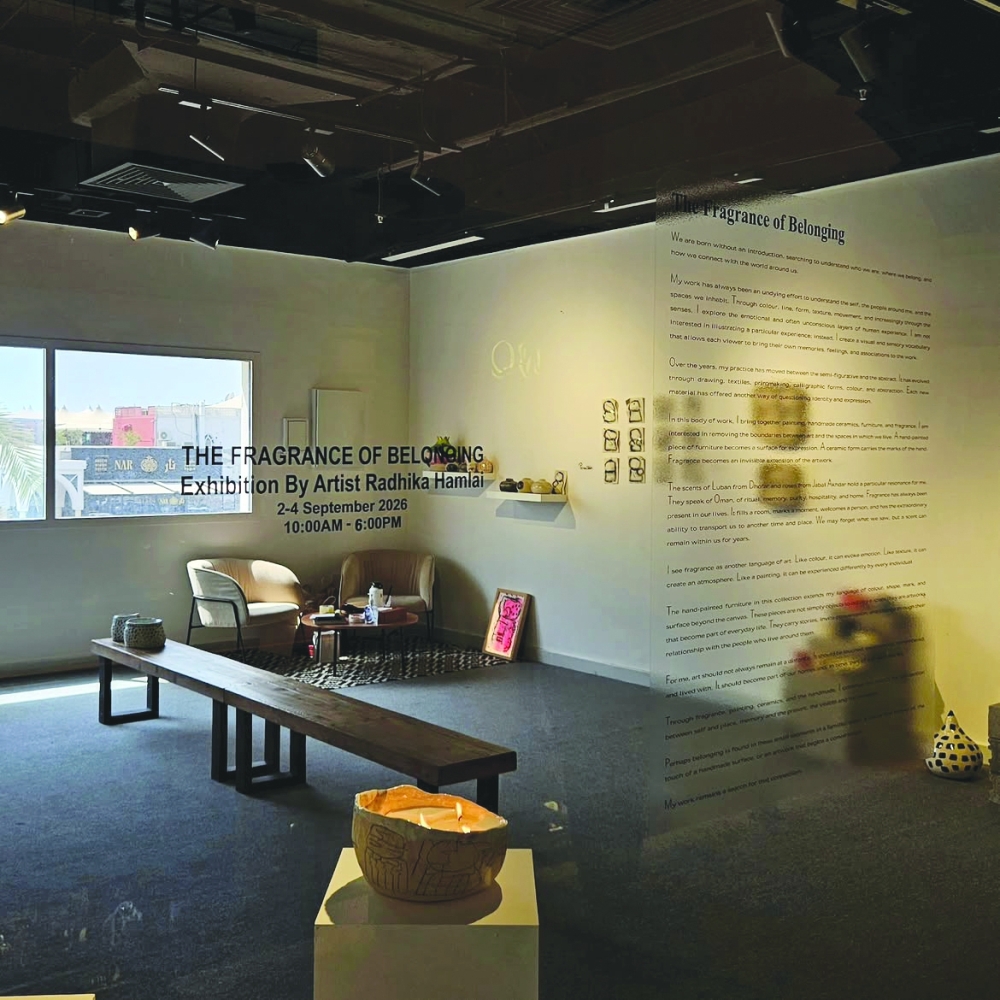
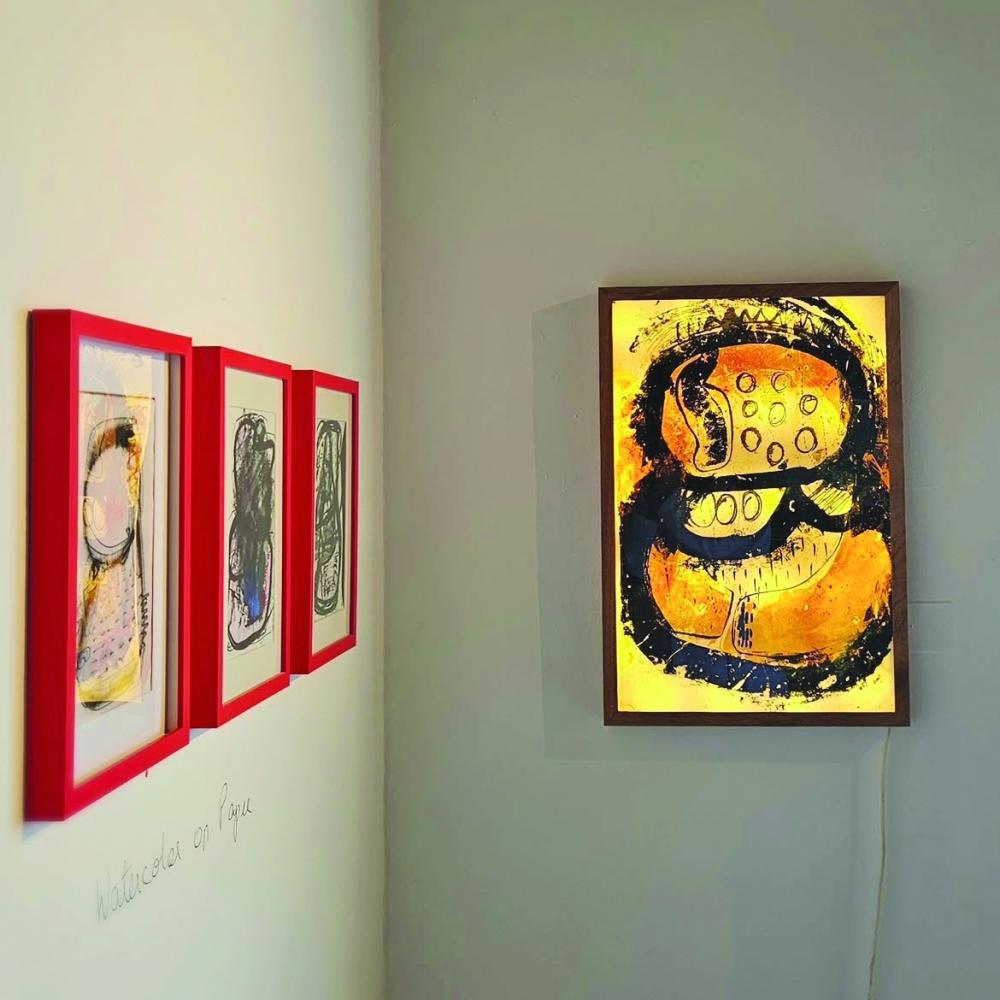
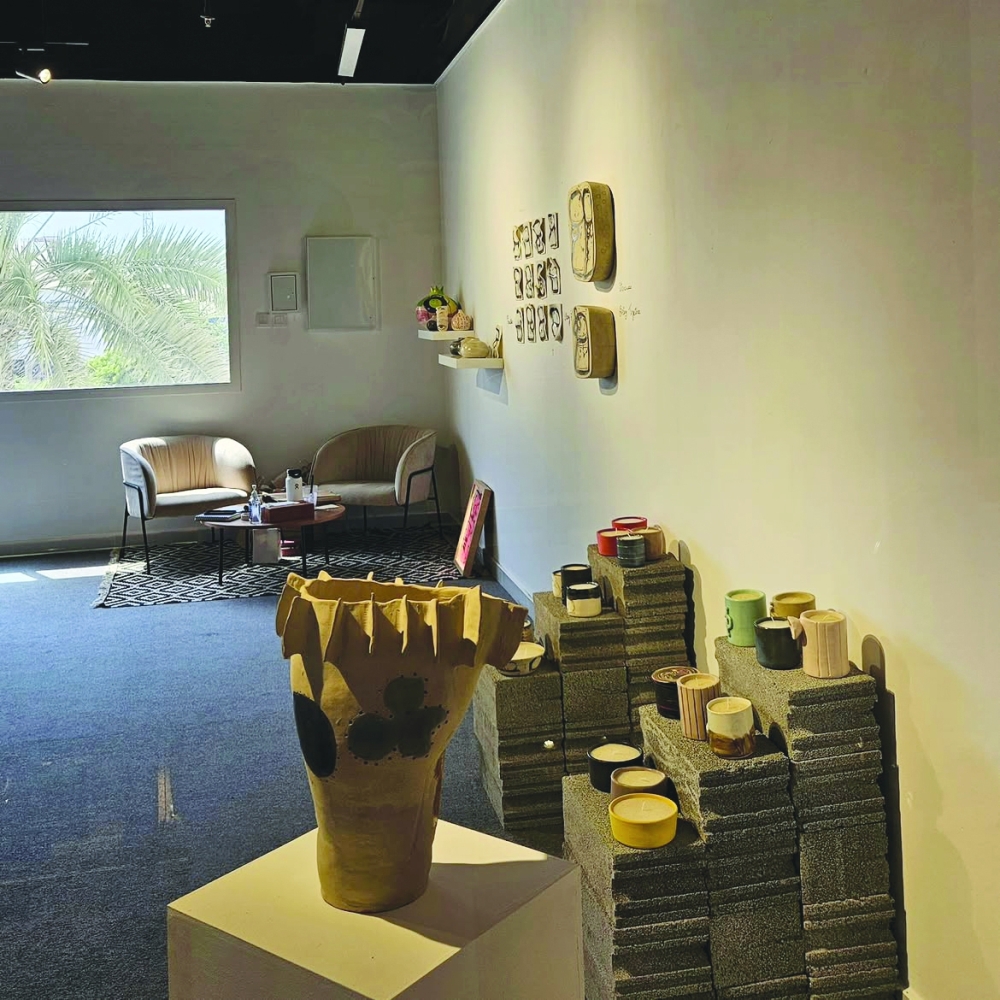
Visitors were invited to slow down rather than simply look.
“When you come inside, you have to be absolutely in the state of being calm,” Hamlai said. “The moment you start smelling, your senses should be like, ‘Oh, I can smell this.’”
From there, she hoped the scent would lead visitors towards their own memories, a familiar place, a forgotten moment or perhaps a realisation of where they came from.
In The Fragrance of Belonging, Hamlai removed the distance between artwork and everyday life. Furniture became a canvas, ceramics became companions, and fragrance became a bridge between the visible and invisible.
Perhaps, she suggested, belonging was not found in one particular place, but in the small sensations that told us, quietly and unmistakably, that we were home.
Oman Observer is now on the WhatsApp channel. Click here