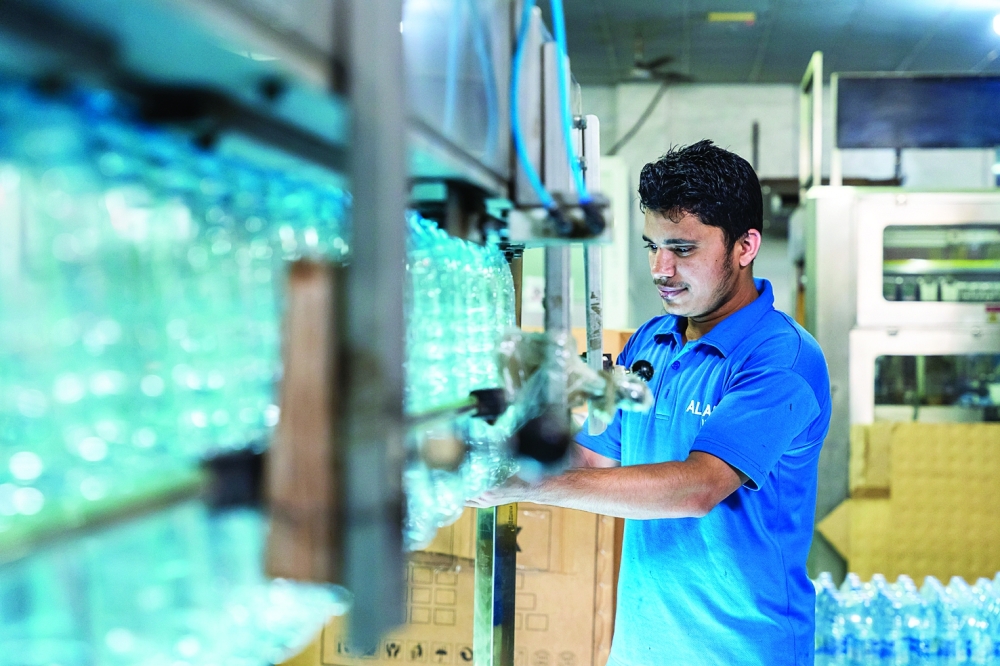
Industrial entrepreneurship and the development of small and medium-sized industrial enterprises (industrial SMEs) represent important pillars of economic diversification and private-sector development in Oman. These enterprises play a vital role in strengthening domestic production, increasing local value added, creating employment opportunities, promoting innovation and technology adoption, and expanding the industrial base.
Therefore, developing an effective industrial entrepreneurship ecosystem requires moving beyond traditional financial support towards an integrated system that accompanies industrial SMEs from the initial business idea and product development stage through establishment and operation, and ultimately towards growth, expansion, integration into value chains, and access to export markets.
Such an ecosystem should provide graduated services that respond to the needs of industrial SMEs at different stages of development. The entry level should provide open and accessible services for aspiring industrial entrepreneurs, including training and capacity building in feasibility studies, business planning, financial management, marketing, e-commerce, and export development. It should also provide clear information on industrial business registration, licensing requirements, technical requirements, financing opportunities, and available investment sources.
Supporting industrial SMEs also requires improving their access to appropriate industrial infrastructure, including industrial land, ready-built factories, warehouses, logistics services, utilities, and other essential industrial facilities. At the same time, industrial SMEs need better access to market intelligence, information on industrial opportunities, demand for locally produced goods, and potential domestic and international markets. Establishing comprehensive databases of buyers, distributors, importers, and potential business partners can help Omani industrial SMEs move beyond dependence on the domestic market and develop regional and international market opportunities.
As industrial SMEs move into the growth stage, they require more specialized programmes that enable them to expand production capacity, improve operational efficiency, develop new products, and strengthen their competitiveness. This should include facilitating their participation in government procurement and tendering opportunities, as well as connecting them with large industrial companies and major projects. Such linkages can enable industrial SMEs to become local suppliers of materials, components, technical services, and other industrial inputs, thereby strengthening domestic supply chains and increasing local value creation.
Access to appropriate financing is also essential for the growth of industrial SMEs. Financing mechanisms should respond to the specific capital requirements of industrial enterprises, particularly for purchasing machinery and equipment, upgrading production lines, adopting new technologies, developing prototypes, and expanding production capacity. Partnerships with commercial banks and other financing institutions can help create financing packages that are better aligned with the needs and risk profiles of industrial SMEs.
Digital transformation and Industry 4.0 should also become an integral part of industrial SME development. Supporting industrial SMEs in adopting automation, digital production systems, data-driven management, modern quality systems, and digital supply-chain solutions can significantly improve productivity, reduce production costs, enhance product quality, and strengthen their ability to compete in domestic and international markets.
A particularly important initiative is the establishment of a specialized industrial business incubator dedicated to supporting industrial SMEs and industrial entrepreneurs in priority sectors identified under Oman’s Industrial Strategy 2040. Such an incubator could provide an integrated environment for product development and innovation, including access to materials-testing laboratories, electromechanical equipment, Industry 4.0 models, and facilities for developing industrial prototypes. It could also strengthen collaboration between industrial SMEs, universities, research institutions, and specialized centres, while providing technical, managerial, marketing, and financial support to help transform innovative ideas into viable and scalable industrial enterprises.
Developing a national network of mentors and industrial experts would further strengthen the ecosystem. Industrial SMEs could benefit from specialized guidance in areas such as technology selection, product development, production processes, quality management, financial management, marketing, export development, and business expansion. Connecting entrepreneurs with experienced professionals can improve the probability of business success and provide continuous support throughout the different stages of enterprise development.
Training and skills development are equally important to the success of industrial SMEs. Entrepreneurship programmes should therefore be connected with Oman’s vocational education and training networks, providing specialized programmes in industrial management, quality, maintenance, automation, e-commerce, export procedures, accounting, financing, and technical skills. Short-term technical programmes can also be designed according to the requirements of specific industrial activities, allowing industrial SMEs to continuously upgrade the skills of their workforce.
Another important priority is to integrate industrial SMEs into industrial clusters and value chains and connect them with major industrial projects. This would create opportunities for SMEs to supply materials, components, products, and industrial services, while enabling them to benefit from the expansion of priority industrial sectors. At a more advanced stage, capable medium-sized industrial enterprises can be encouraged to establish joint ventures with international companies, benefit from foreign investment, access new technologies, and acquire international expertise and knowledge.
The objective of developing an integrated ecosystem for industrial SMEs should therefore go beyond increasing the number of newly established enterprises. The greater objective should be to build sustainable, productive, innovative, and internationally competitive Omani industrial enterprises capable of expanding their operations, creating quality employment opportunities, increasing local value added, developing nationally produced goods, participating in major projects and supply chains, and accessing regional and global markets.
Strengthening industrial entrepreneurship and industrial SMEs is ultimately an investment in the future of Oman’s manufacturing sector. It provides a practical mechanism for empowering the private sector, transforming ideas and innovations into productive enterprises, strengthening local supply chains, increasing industrial capabilities, and supporting economic diversification. A strong industrial SME ecosystem can therefore make a significant contribution to the objectives of Industrial Strategy 2040 and Oman Vision 2040, while supporting the development of a more productive, competitive, innovative, and sustainable Omani economy.
Oman Observer is now on the WhatsApp channel. Click here