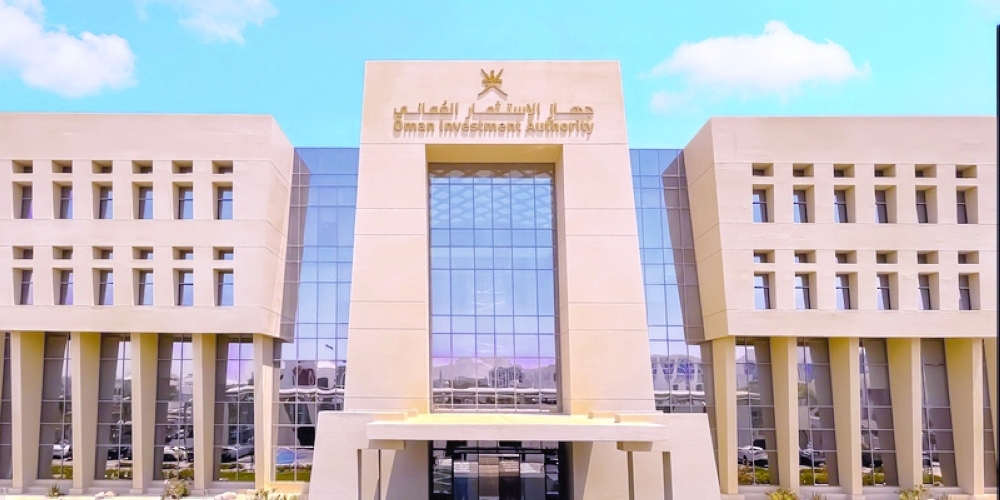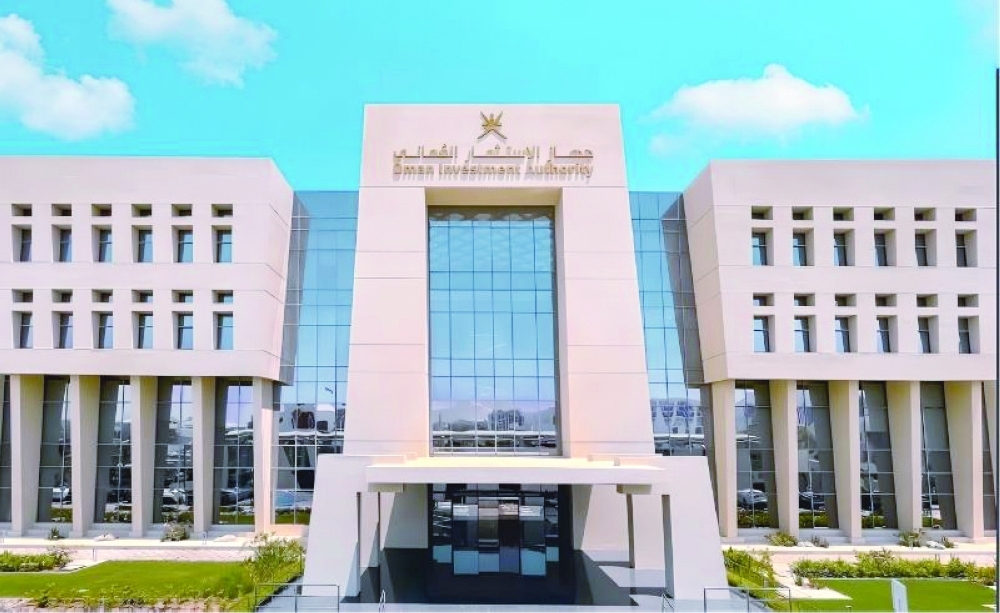





MUSCAT: Oman Investment Authority (OIA) is increasingly measuring the success of its investments not only by the financial returns they generate, but also by the economic value they create inside the Sultanate of Oman, under an approach described by its President Abdulsalam bin Mohammed al Murshidi as the “Omani dimension” of investment.
The principle places economic diversification, local content, employment, technology transfer and the development of domestic businesses alongside commercial returns when OIA evaluates investments, Al Murshidi said in a recent interview to a city publication.
The approach reflects OIA's dual role as a sovereign investor charged with generating sustainable returns while simultaneously supporting national development and the objectives of Oman Vision 2040.
Under the “Omani dimension”, investments are assessed for their potential to generate opportunities for Omani companies and small and medium enterprises, create jobs, localise industries and supply chains; and facilitate the transfer of knowledge, technology and expertise into the domestic economy.
In effect, the policy means that an investment's value to Oman can extend well beyond dividends and capital appreciation. An overseas investment, for example, can potentially serve as a conduit for bringing manufacturing, technology, expertise or commercial relationships back to the Sultanate.

This philosophy is also reflected in OIA's earlier articulation of what it called an “Omani angle” for international investments. Al Murshidi has previously said the Authority was seeking to reduce certain direct overseas investments unless they could contribute to developing important sectors of the Omani economy.
The strategy is playing out domestically through a sizeable pipeline of new projects. Al Murshidi said OIA aims to introduce development investments worth around RO 2 billion annually, helping stimulate non-oil economic activity and creating opportunities for private businesses.
Four strategic industrial projects launched since the start of the 11th Five-Year Plan alone represent investment exceeding RO 935 million ($2.43 billion) and are expected to create more than 1,850 jobs. Priority areas increasingly include advanced manufacturing, renewable-energy supply chains, specialty chemicals, polysilicon and battery technologies.
Local procurement represents another major expression of the Omani-dimension philosophy. OIA has expanded the mandatory list of locally produced goods and services purchased by its portfolio companies from 103 to 384 products and services, generating cumulative domestic expenditure exceeding RO 250 million.
Support for SMEs has similarly been embedded in procurement policies. Spending by OIA companies on SMEs rose from around RO 187 million in 2022 to RO 278 million in 2025, according to figures cited in the interview.
OIA is simultaneously seeking to enlarge the private sector's role in projects previously dominated by government investment. Its portfolio companies have awarded more than RO 12 billion of project work to private companies over the past five years, alongside around RO 3 billion in operating and procurement contracts.
Its Furas platform provides businesses with advance visibility into procurement requirements across more than 40 OIA portfolio companies, with 2,295 prospective tenders valued at around RO 2.55 billion announced through the initiative.
Future Fund Oman (FFO) provides another channel for translating the philosophy into investment. Since commencing operations in 2024, the fund has backed hundreds of projects, including a large number of SMEs and start-ups, while mobilising private capital alongside government investment.
The broader objective is to create a multiplier effect: state investment helps establish commercially viable industries, international partners provide capital and technology, Omani businesses enter the resulting supply chains and the private sector ultimately assumes a progressively larger role, Al Murshidi added.
Oman Observer is now on the WhatsApp channel. Click here