




MUSCAT: It was a routine call for Shuresh Tamang, a Nepali citizen working for a private cleaning company in Oman, when he spoke to his family in Rasuwa district in northern Nepal on August 25.
Within days, the ordinary call had become his last memory of his parents, wife and two young children.
It was only on Wednesday afternoon, when horrifying images of catastrophic flash floods began appearing on mobile phones, that Shuresh learned that five members of his family were missing and feared dead.
“I don’t have a house or any trace of my family members now. I was told that some villagers are trying to identify the bodies recovered from the mud, but they are beyond recognition,” Shuresh told the Observer.
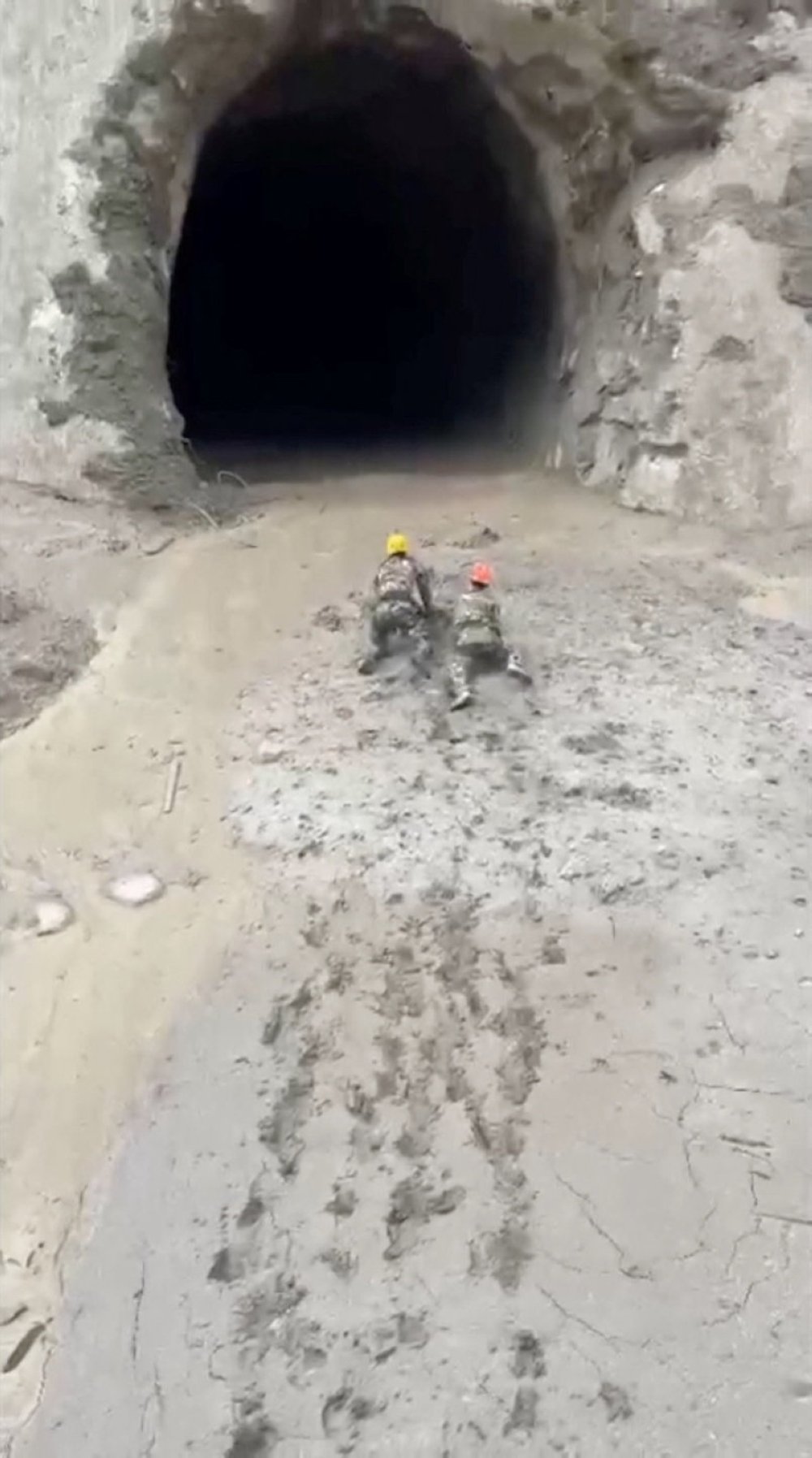
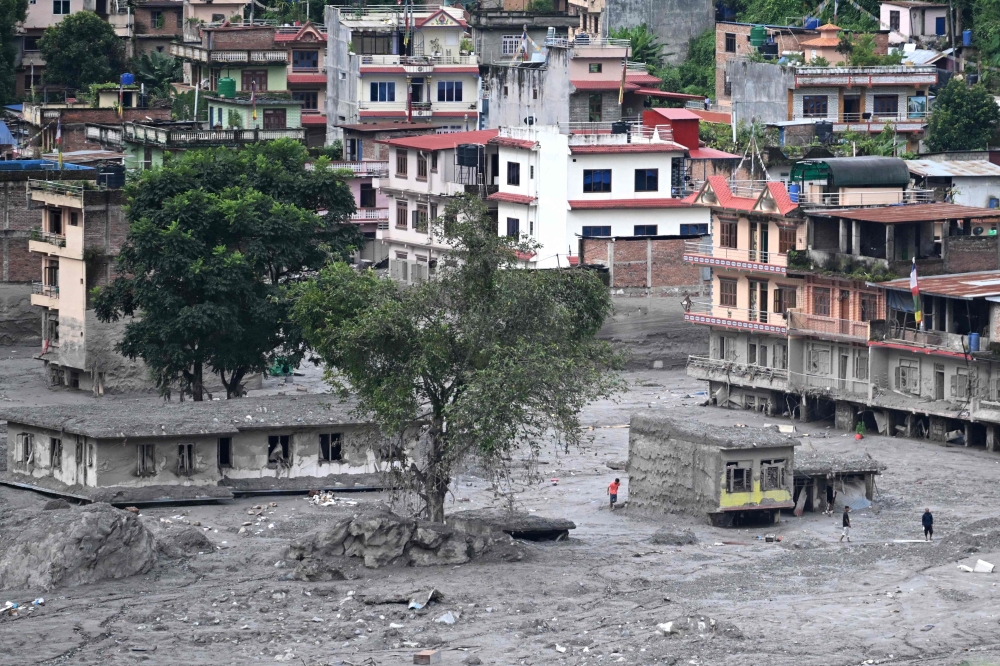
The terrifying surge of mud and water tore through the mountainous Rasuwa district, particularly affecting Timure and Syabrubesi. The floodwaters arrived with such force that residents had only seconds to react. Many were swept from their homes and rooftops, while others were trapped as multi-storey buildings were rapidly buried under thick layers of river silt.
As Shuresh struggles to come to terms with the loss, officials at the Nepal Embassy in Muscat are working with his employer to arrange emergency leave so that he can return to Kathmandu.
The flood, which swept down the Bhotekoshi River in Gosainkunda Rural Municipality along the Tibet border, destroyed settlements, vehicles, roads, bridges, hydropower projects and entire market areas in Timure, Syabrubesi and Rasuwagadhi, along with several surrounding villages.
The disaster has been described as one of the most devastating natural calamities to hit the mountainous region. Riverside markets were destroyed and buildings collapsed within moments.
Survivors described the sound of the disaster as resembling a massive earthquake. Many remain traumatised after watching family members and loved ones being swept away by torrents of mud and water, often unable to do anything to help.
According to Nepal Embassy statistics, around 30,000 Nepali nationals live and work in Oman, contributing to sectors including construction, hospitality and domestic work. A significant number are from areas affected by the floods, leaving many workers in Oman deeply concerned about their families and uncertain about their future.
“Shuresh is a cleaner by profession and lost five members of his family, including his two children, wife and parents. We are in talks with his company and trying to send him on emergency leave to Nepal,” Bishesh Kumar Sah, Chargé d'Affaires at the Nepal Embassy, told the Observer.
The embassy official said the disaster was triggered by a rock-and-ice avalanche from Tibet that blocked and subsequently released the Lhende Khola, a tributary of the Bhotekoshi River.
The tragedy comes less than a month after Omani mountaineer Nadhira al Harthi lost her life along with nine other mountaineers on July 30, 2026, when an avalanche struck their climbing expedition on Broad Peak in Pakistan’s Karakoram range.
Oman Observer is now on the WhatsApp channel. Click here