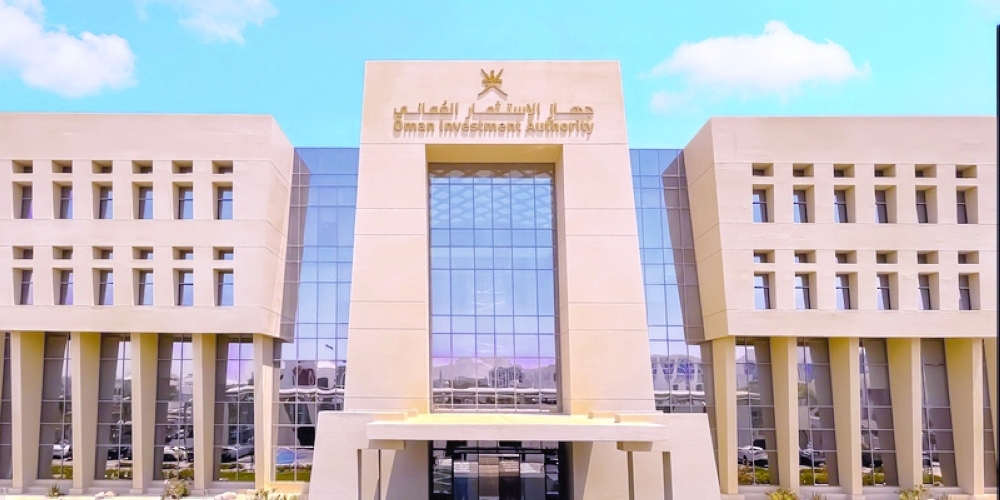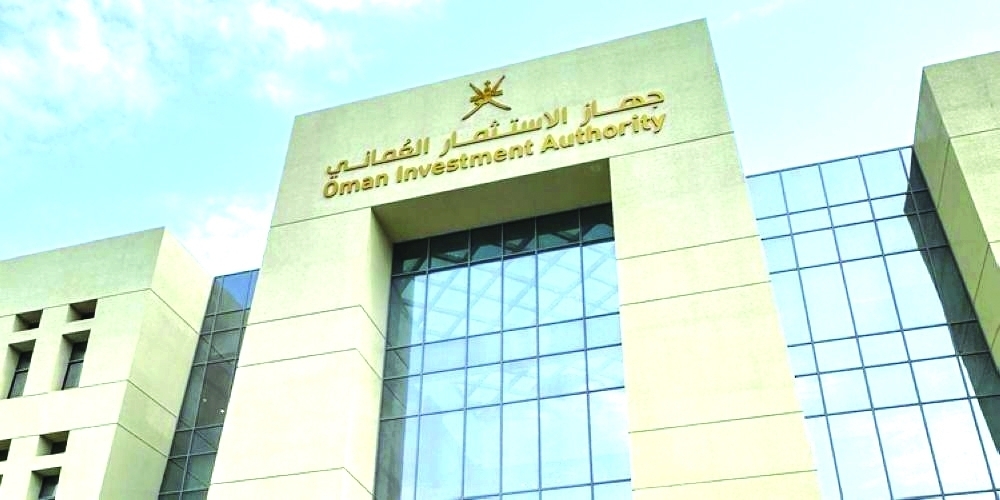





Oman Investment Authority (OIA) portfolio companies channelled 60 per cent of their social investment spending into national and local projects in 2025, as the Authority moves to strengthen governance and place greater emphasis on measurable economic, social and environmental impact.
More than 500 projects and initiatives were implemented during the year, according to data presented at the Social Investment and Sustainable Development Forum in Salalah. Tourism, heritage and culture accounted for the largest share of expenditure by area of focus at 32.7 per cent, underscoring the role of social investment in supporting projects extending beyond conventional welfare programmes.
By type of spending, national and local projects received 60 per cent, while social welfare accounted for 20 per cent and contributions to the Oman Charitable Organization represented a further 20 per cent. The presentation did not disclose the overall value of the expenditure in Omani rials.
By sector, health accounted for 14.5 per cent of spending, alongside 14.5 per cent for environment and sustainability and 14.5 per cent for innovation, technology and entrepreneurship. Education and development received 11.3 per cent, community welfare 8.2 per cent and other areas 4.4 per cent, according to the presentation’s rounded figures.
The figures were presented alongside OIA’s framework for governing social investment across its affiliated companies, aimed at bringing greater consistency to budgeting, project selection, stakeholder engagement and performance measurement. A study conducted during the development of the policy identified a number of shortcomings in existing practices, including the lack of a clear mechanism for allocating social investment budgets, insufficiently defined principles and areas of focus, gaps in governance and strategic planning, varying levels of organisational maturity and the absence of systematic performance management.
The policy seeks to address those gaps by requiring any company with an approved social investment budget to establish a dedicated social investment committee. Budget allocations are to reflect each company’s financial position, while annual social investment plans must align with Oman Vision 2040, local community needs, government and national priorities and challenges associated with a company’s operations.
The framework also seeks to establish a clearer balance between social welfare spending and longer-term national and local projects.Project-selection criteria place particular emphasis on initiatives capable of delivering sustainable and measurable environmental, social or economic value.
Outcomes cited in the policy include increasing income, strengthening in-country value and creating employment opportunities, with each project required to have a clear action plan. The framework also gives greater weight to geography. Companies are expected to identify their areas of social investment according to the wilayats or governorates where their assets and operations are located, strengthening the link between corporate activity and surrounding communities.Projects should be implemented in cooperation with relevant government bodies or registered civil society organisations and in coordination with the governor’s office in the company’s area of operation.
OIA may also propose joint social investment projects requiring participation from several portfolio companies, with contribution levels determined by the Authority. Periodic performance reviews and project evaluations are intended to assess the effectiveness of programmes and their impact.
Projects highlighted for 2025 included the training of 90 Omani women through the Wijdan leadership programme, comprehensive maintenance of homes belonging to 22 low-income families and the training and employment of 11 people with disabilities at Omran hotels.
Fifteen small and medium enterprises were supported with subscriptions to a human resources platform, while other initiatives covered tourism infrastructure, education, innovation, solar-powered lighting and employment preparation for deaf and hard-of-hearing jobseekers. Other projects included financing the heritage village in Sur, the Tasaud programme for SME and entrepreneurship development, the Refinery Science educational programme and the development of Ain Rub in Rakhyut.The policy marks a broader effort to move social investment beyond the scale of spending alone and towards clearer links between corporate resources, local development priorities and measurable outcomes.
Oman Observer is now on the WhatsApp channel. Click here