




MUSCAT, AUGUST 24
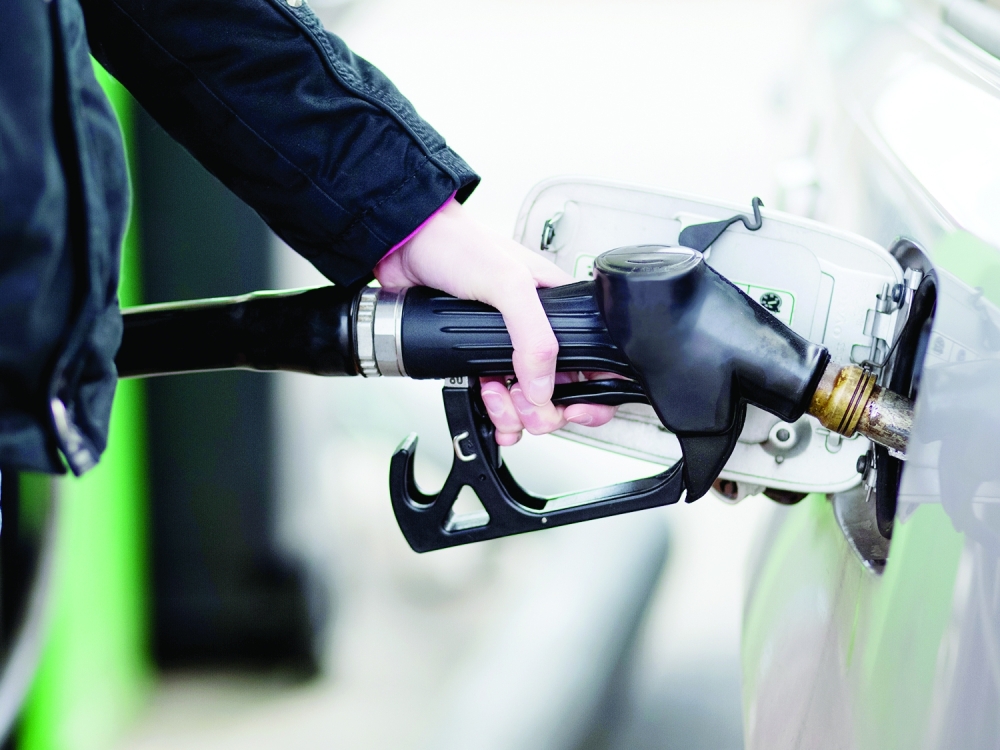
The Omani government spent RO 162 million on petroleum product subsidies in the first half of 2026 — 4.6 times the RO 35 million allocated for the entire year — as it absorbed the cost of holding domestic fuel prices steady against rising crude and the fastest consumer price inflation in years.
The figure, disclosed in the Ministry of Finance's Fiscal Performance Bulletin for the second quarter, sits alongside RO 323 million disbursed to the social protection system and RO 288 million to the electricity sector by the end of June, RO 773 million across the three largest support headings.
Fuel is the outlier. Spending on the item stood at just RO 17 million at the end of March, implying roughly RO 145 million was released in the April–June quarter alone. Oman realised an average of $74 a barrel across the first half, against $64 in the first quarter and the $60 assumption on which the 2026 budget was built.
The mechanism is set out in the government's own documentation. The Ministry of Finance's guide to the State's General Budget describes the oil products subsidy as designed to stabilise costs amidst global oil price fluctuations and shield consumers from rising prices, meaning the cost to the treasury climbs as crude climbs, for as long as pump prices are held.
It is by far the most volatile line in the subsidy bill. Across the 10th Five-Year Development Plan it swung from RO 39 million in 2021 to RO 730 million in 2022, when crude spiked, before easing to RO 370 million in 2023, RO 232 million in 2024 and an estimated RO 90 million last year. The five-year total of RO 1.461 billion was second only to electricity's RO 2.733 billion within a RO 7.3 billion support envelope.
Direct food support is modest by comparison. The 2026 budget allocates RO 15 million to the food items subsidy, against RO 71 million across the whole of the previous five-year plan. Protection on food prices rests mainly on value-added tax exemptions covering 512 basic commodities rather than on direct price support.
Subsidy and social protection allocations for 2026 total about RO 1.571 billion, once future debt obligations of RO 300 million and institutional contributions of RO 35 million are stripped out of the RO 1.906 billion "contributions and other expenses" heading, which accounts for 16 per cent of planned public spending.
Social protection is the largest single line at RO 614 million, expected to reach 1,627,365 beneficiaries this year, of whom 1,306,113 receive child benefit. A further RO 338 million funds social insurance programmes covering old age, disability and death. The electricity subsidy is set at RO 509 million, below the RO 566 million estimated for 2025.
The 11th Five-Year Development Plan commits to maintaining subsidy policies for basic goods and services and strengthening the social protection system, with social protection allocations averaging RO 668 million a year to 2030. The framework assumes $60 crude throughout and projects annual deficits rising from RO 530 million this year to RO 770 million in 2030.
Oman Observer is now on the WhatsApp channel. Click here