




SALALAH, AUGUST 22
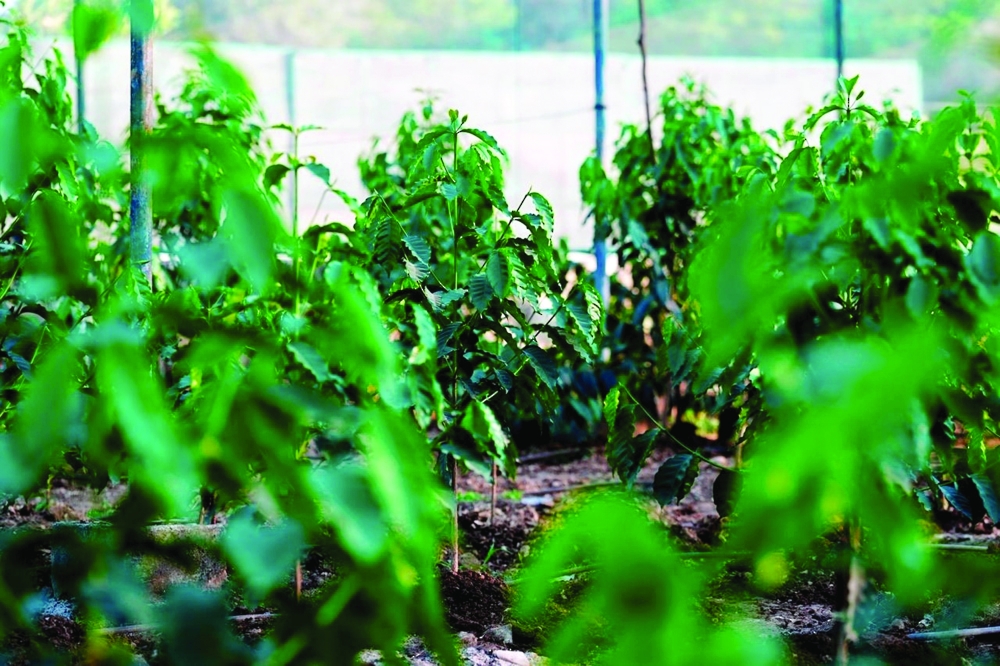
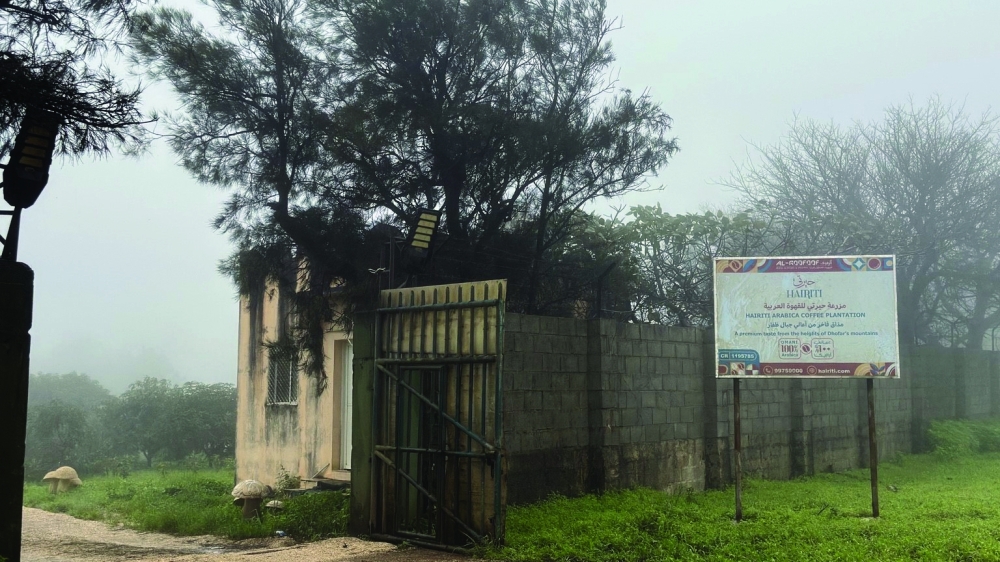
Al Roofoof is expanding coffee cultivation at Hairiti in Dhofar Governorate from a research base that dates to 1980. Its nursery has provided around 25,000 seedlings since the current investment phase began in June 2024, Project Director Eng Bakhit bin Mahad Tabook said.
In an exclusive interview at the farm, Tabook said the project deliberately began with the nursery because expansion depends first on reliable planting material.
“The nursery is the foundation of the cultivation”, he said. “From it, seedlings can be planted on the farm itself or supplied to farmers and interested growers”.
The project is still in an establishment phase and has not announced commercial coffee volumes. The nursery figure shows planting capacity; it does not, by itself, quantify commercial production or farm-level returns.
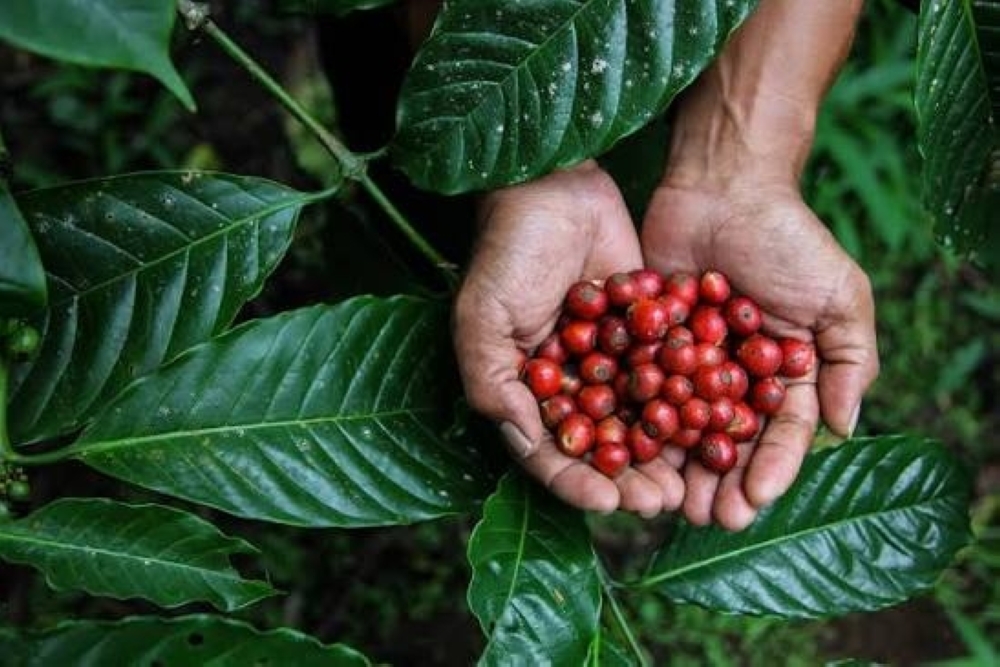
Tabook said Hairiti is working with five Arabica coffee varieties — Dawa’iri, Adaini, Khawlani, Hammadi and Matari — and is studying three Brazilian Arabica varieties.
He said the company is also using genetic testing in France to examine varietal identity, although final documentation has not been released.
The current investment builds on earlier government research at Qairoon Hairiti. Ministry records say 148 Adaini and Dawa’iri seedlings were brought from Yemen in 1980, with subsequent trials examining varietal performance, fertiliser, shade and elevation.
In October 2025, the Ministry of Agriculture, Fisheries and Water Resources launched a separate programme to expand Arabica coffee cultivation among farmers in Salalah, Taqah and Mirbat. The programme builds on earlier cultivation research at Qairoon Hairiti, including the successful adaptation of Adaini and Dawa’iri.
Tabook said Al Roofoof wants its role eventually to extend beyond nursery production and its own planting. He said the company is prepared to purchase Arabica coffee grown by Omani farmers in Dhofar once meaningful crops become available.
“The market should be in the farmer’s mind from the beginning”, he said, noting that coffee requires several years of care before a grower can expect a return.
No purchase price, grading system or detailed buying terms have been announced. The commitment therefore represents a proposed future route to market rather than a fully defined purchasing arrangement.
For Hairiti, the next phase is to turn planting capacity into field performance. Tabook’s confidence is rooted in the research record, but the scale of the commercial opportunity will ultimately depend on mature-tree yields, quality, production costs and the returns growers can secure.
Oman Observer is now on the WhatsApp channel. Click here