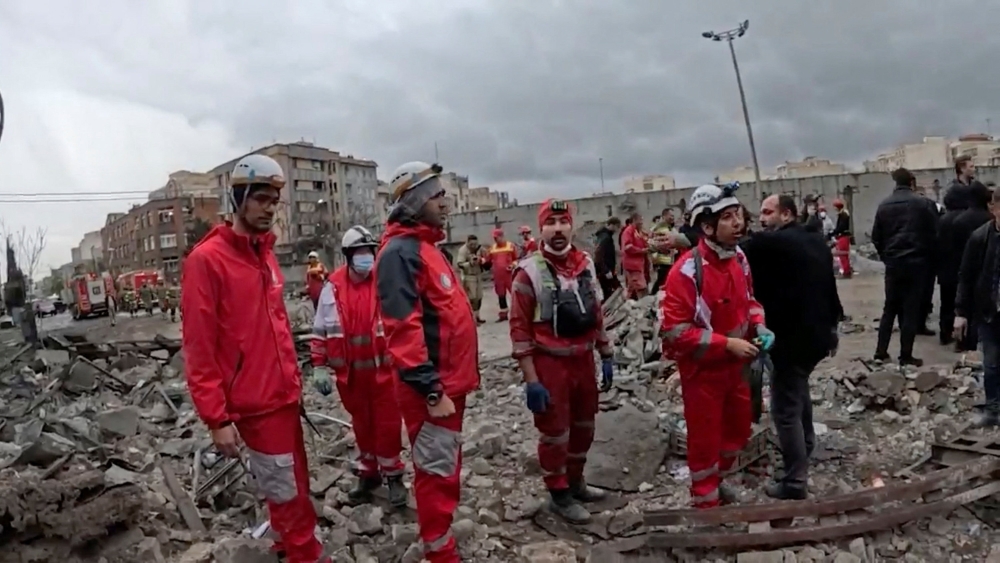





The United States and Iran on Monday missed their 60-day deadline to reach a deal to curtail Iran’s nuclear program under the terms of the ceasefire they agreed to in June, underlining the breakdown of a truce that President Donald Trump promised would end the war.
Trump had announced the so-called memorandum of understanding between the two countries with great fanfare two months ago. But the short-lived agreement failed to reopen the Strait of Hormuz, which Iran effectively blockaded after Israel and the United States attacked in late February, or end a conflict that has entered its sixth month.
The expiration of deadline is largely symbolic, as both Trump and Iran’s leaders have said in recent weeks that the deal is basically dead. But the milestone nonetheless shows how Trump has struggled to achieve his war aims — like forcing Iran to curtail its nuclear ambitions — and how emboldened the Iranian government feels, with the two countries at risk of further military conflict.
There have been no publicly reported U.S. strikes on Iranian targets since late July. But the United States and Iran appear to be gearing up for a protracted campaign of economic attrition that could easily tip over into renewed warfare, analysts said. Iran is wielding its control of the Strait of Hormuz, a critical waterway for oil and gas shipping, to choke global energy markets, raising pressure on Trump to reach a deal.
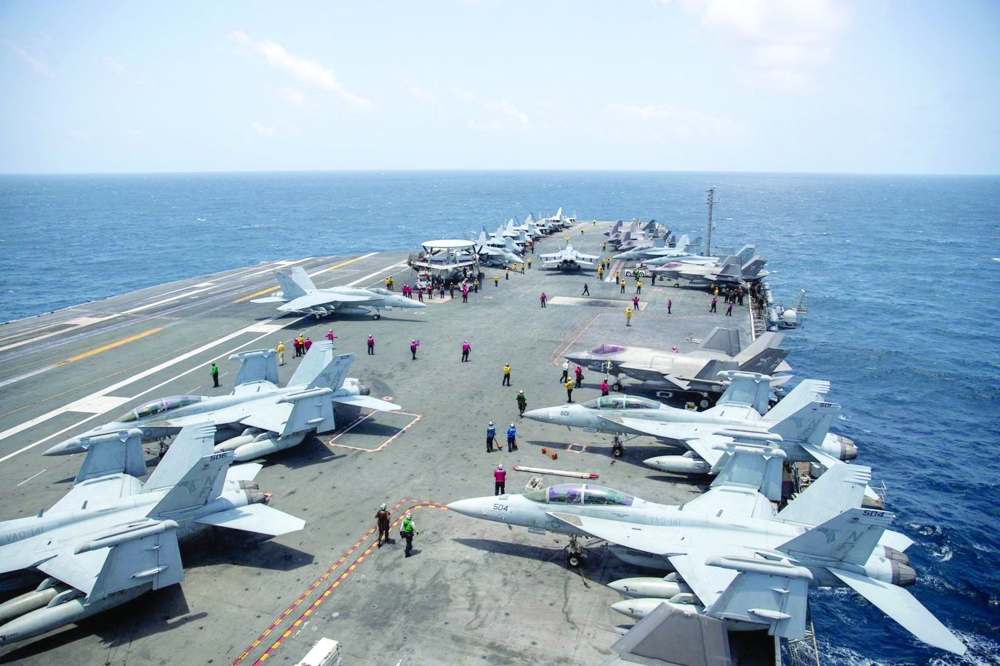
The Trump administration has rescinded the sanctions waivers on Iranian oil, which it issued during the brief truce. U.S. forces have also reimposed a naval blockade of Iranian ports, hoping that squeezing Iran economically will force it to make concessions. But Iran’s leaders are betting that the country can endure more economic pain than the United States, especially as Trump faces midterm elections in November.
“The Islamic republic is trying to put the economic crunch on America, and America is trying to put the economic crunch on the Islamic republic,” said Behnam Ben Taleblu, an Iran expert at the Foundation for Defense of Democracies, a Washington-based research institute.
Taleblu said the U.S. economic campaign could be punishingly effective against the Iranian economy. But Iran’s clerical leadership was likely to respond by escalating further, he warned, setting the stage for another round of armed conflict.
Like Trump’s other recent Middle East deals, the June agreement aimed at a quick truce while pushing off thornier dilemmas for future rounds of negotiations. Analysts argued that the vaguely worded agreement was tilted in Iran’s favor and suggested that the president was trying to wind down an increasingly unpopular war that threatened to bog him down in the Middle East.
Talks over Iran’s nuclear program were delayed for what were supposed to be two months of further talks, even though Trump had said concern that Iran might obtain a nuclear weapon was a major element of his case for war.
U.S. officials hoped the deal would at least reopen the Strait of Hormuz, to ease the pressure on the global economy. But the ceasefire faltered almost immediately, and Iran quickly moved to assert its control over the waterway.
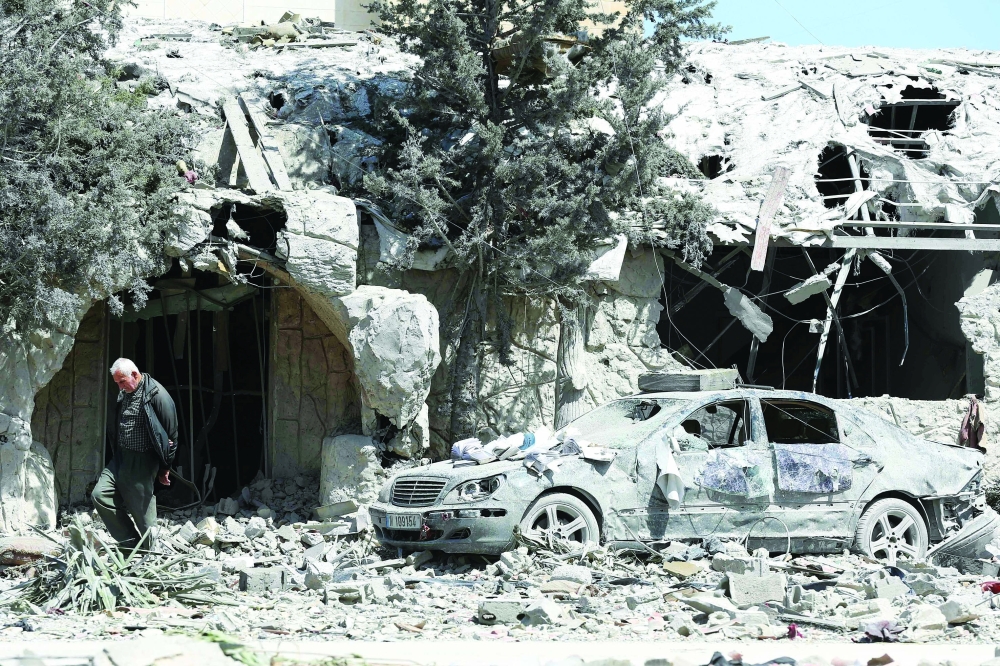
Iranian officials cited ambiguous language in the ceasefire deal to declare that some ships were wrongly passing through the waterway without their permission and fired on some. U.S. forces retaliated by bombarding southern Iran, prompting a cycle of attacks and counterattacks.
The escalation prompted Trump to consider launching a major military offensive against Iran on at least two occasions.
He pulled back both times after pleas from regional allies like Saudi Arabia, which have borne the brunt of Iranian military reprisals, as well as warnings from White House advisers over dwindling stockpiles of critical munitions.
Oman Observer is now on the WhatsApp channel. Click here