




The Israeli government has rejected a 15-point plan backed by the Trump administration aimed at disarming the Hamas in the Gaza Strip, Israeli Prime Minister Benjamin Netanyahu said Sunday.
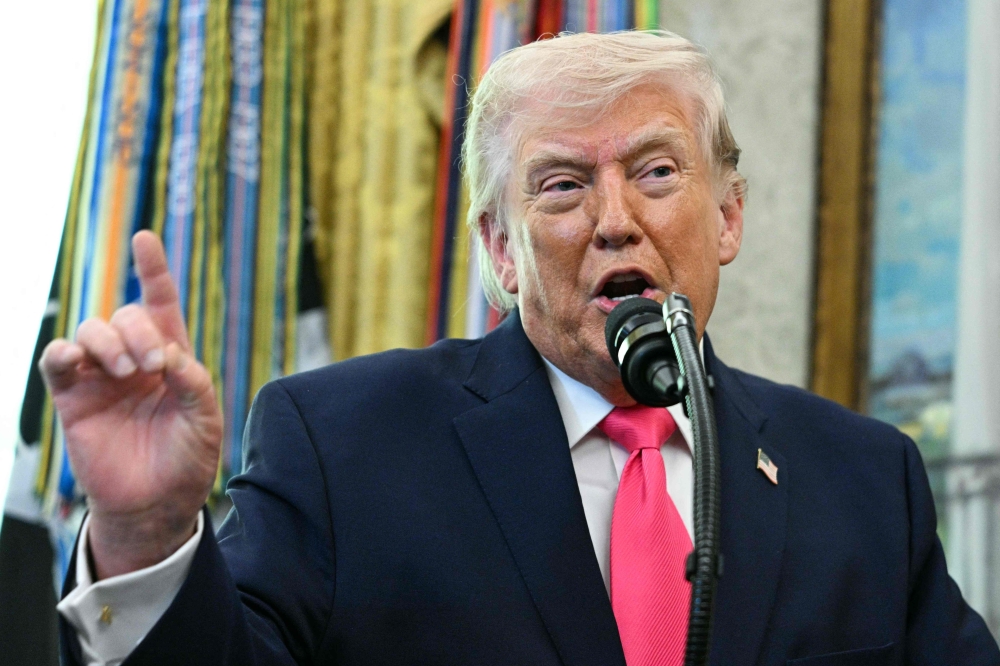
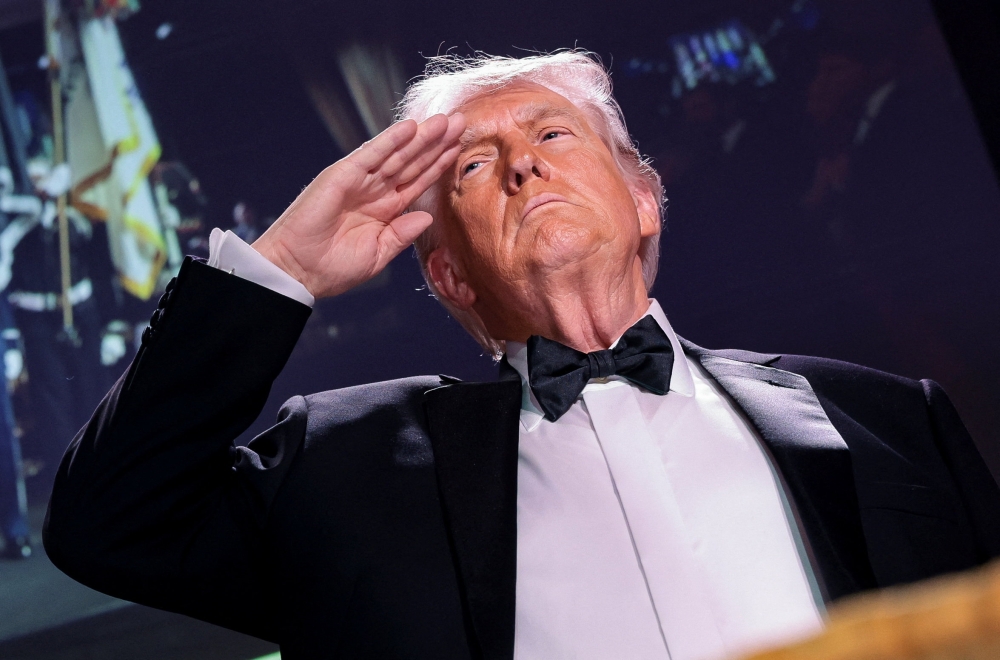
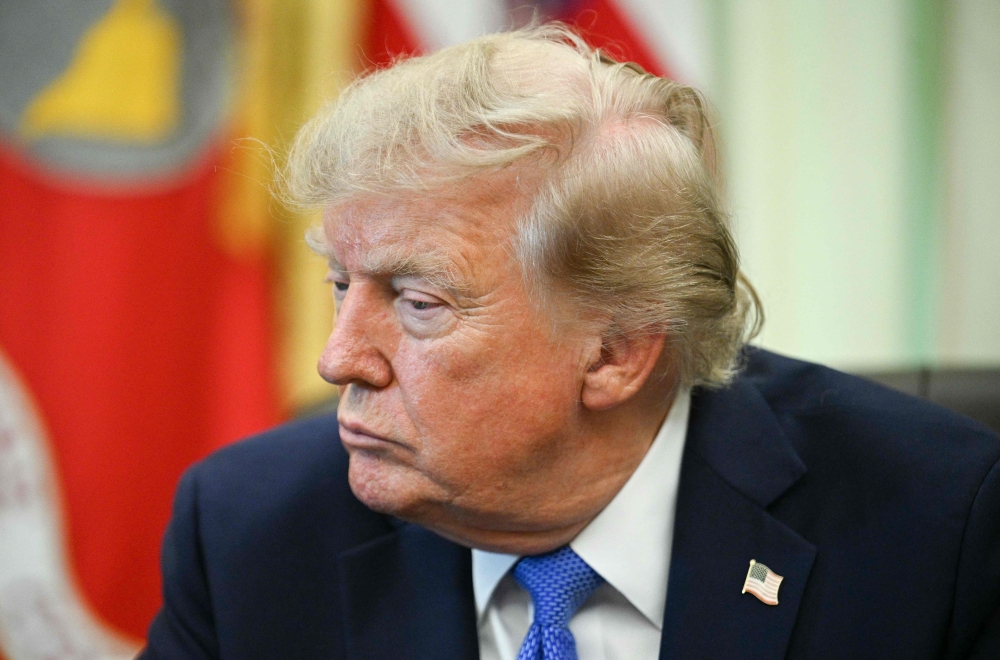
It appeared to be an unusually public break with President Donald Trump, whose relationship with Netanyahu has had a dizzying and often unpredictable arc. The two leaders launched the war against Iran together in late February. But they have since clashed over how to end it, as well as over the future of Israel’s military campaigns in Gaza and Lebanon.
Trump announced the agreement between his Board of Peace and Hamas late last month, lauding it as a breakthrough. Netanyahu’s office had initially expressed reservations, saying that the framework did “not reflect Israel’s positions,” but stopped short of rejecting it outright.
The U.S.-backed proposal envisions a phased process in which Hamas would hand over its weapons in stages to a new Palestinian administration in Gaza. In exchange, Israel would gradually withdraw from the more than half of Gaza that it has controlled since the ceasefire in October.
On Sunday, Netanyahu openly dismissed the plan, saying that Israeli forces “would not carry out any withdrawal until Hamas is disarmed.” He said that meant “heavy weapons, lighter weapons, all weapons,” adding, “We are talking about real disarmament.”
At a Cabinet meeting of government ministers, Netanyahu said, “I want to be clear here: Israel is ruling out the 15-point document.”
The White House referred questions to the Board of Peace.
An official with the Board of Peace, who requested anonymity to speak candidly, said that despite Netanyahu’s comments, the board was still seeing Israeli cooperation on the ground in Gaza, such as Israel’s easing of near-daily strikes in Gaza.
Trump administration officials had hoped the deal could break nearly a year of deadlock in the devastated Gaza Strip. Despite last year’s ceasefire, many of Gaza’s 2 million residents are still living in sprawling tent camps, as Israel has said there will be no wide-scale reconstruction before Hamas disarms.
Israelis are skeptical that Hamas intends to follow through on its commitments, as it sees armed struggle as part of the group’s raison d’être. And for Netanyahu, any potential concessions in Gaza would come at a politically delicate moment.
He faces an uphill election campaign this fall — the first national vote since the attack of Oct. 7, 2023, ignited the devastating war in Gaza. Despite Netanyahu’s repeated pledges to secure “absolute victory,” Hamas still controls parts of Gaza nearly three years later.
The deal with Hamas followed months of delicate talks between its leaders in exile and officials from Trump’s Board of Peace, a new body established to oversee the Gaza ceasefire. The board includes heads of state, including Netanyahu, and is headed by Trump.
In practice, however, a small number of Trump appointees led the negotiations, including Nickolay Mladenov, a former U.N. Mideast envoy. The U.S.-backed negotiators sought to find a formula that would relieve Hamas of its weapons.
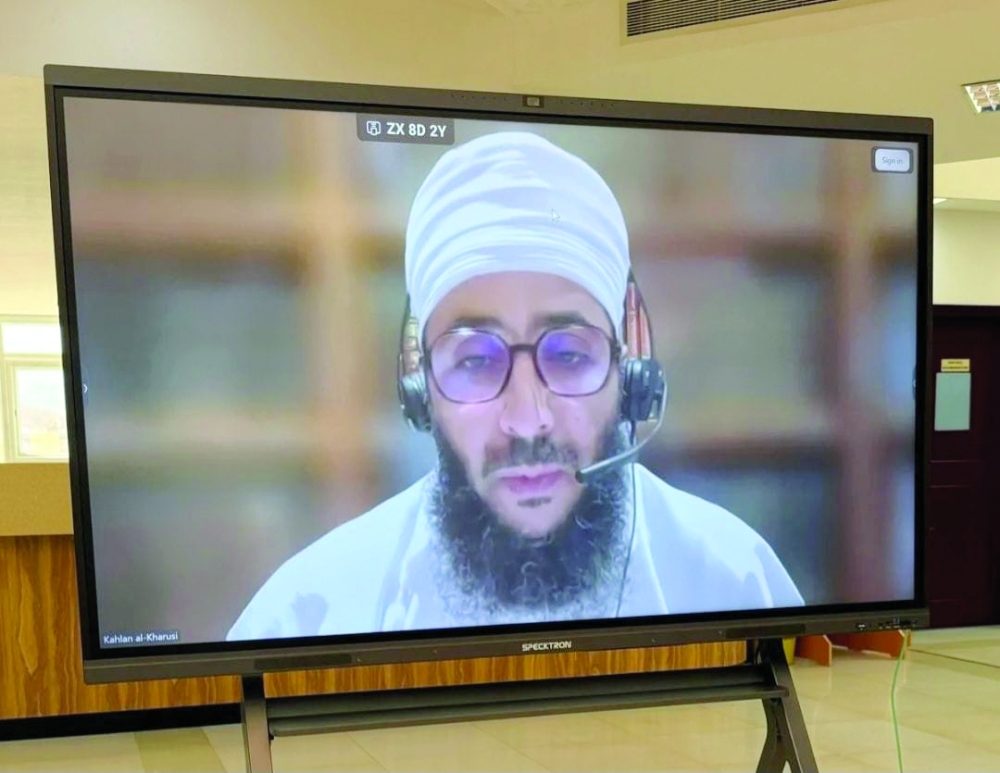
On Sunday, Husam Badran, a senior Hamas official, argued that Netanyahu’s refusal to move ahead with the 15-point plan showed that Israel, rather than the Palestinian group, was the main obstacle to advancing it.
According to the text of the accord, Israel would first have to fulfill several outstanding conditions from the initial ceasefire with Hamas in October, which ended the two-year war in Gaza, including a “cessation of military operations.”
Despite the ceasefire, Israel has continued attacks in Gaza, killing more than 1,000 people since October, according to Palestinian health officials. Those killed have included senior Hamas officials, but also civilians, including children.
This article originally appeared in The New York Times.
Oman Observer is now on the WhatsApp channel. Click here