




Turkiye, Saudi Arabia and Pakistan will sign a joint defence agreement in Mecca on Friday, sources with knowledge of the matter said, amid regional turmoil with Gulf states coming under fire from Iran after it was attacked by the U.S. and Israel.
While the pact further cements a burgeoning grouping of major powers allied with the United States, there was no immediate clarity on each state's commitments or how it might affect the wider crisis in the Middle East.
Two regional sources with direct knowledge of the matter said the deal would be signed on Friday, a claim later confirmed by a Turkish official. Another regional source said it was not clear whether the agreement would also be publicly announced on Friday.
The three nations share growing concerns over Middle East chaos and the role of Iran and an increasingly assertive Israel, as the United States struggles to contain regional threats. Turkiye has NATO's second-largest military. Saudi Arabia is one of the world's top oil exporters, while Pakistan is a nuclear-armed country.
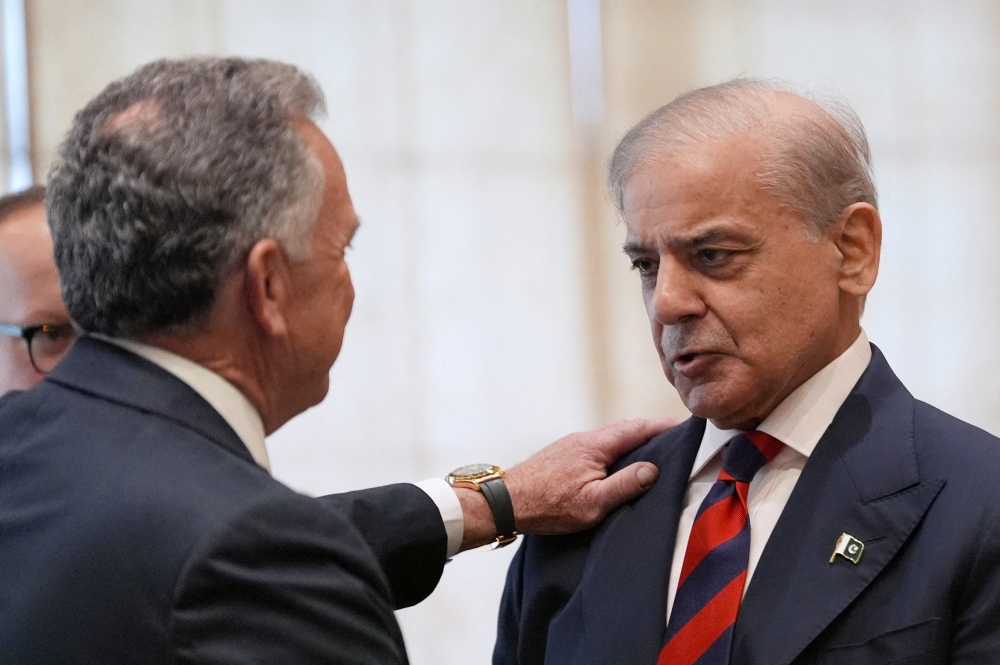
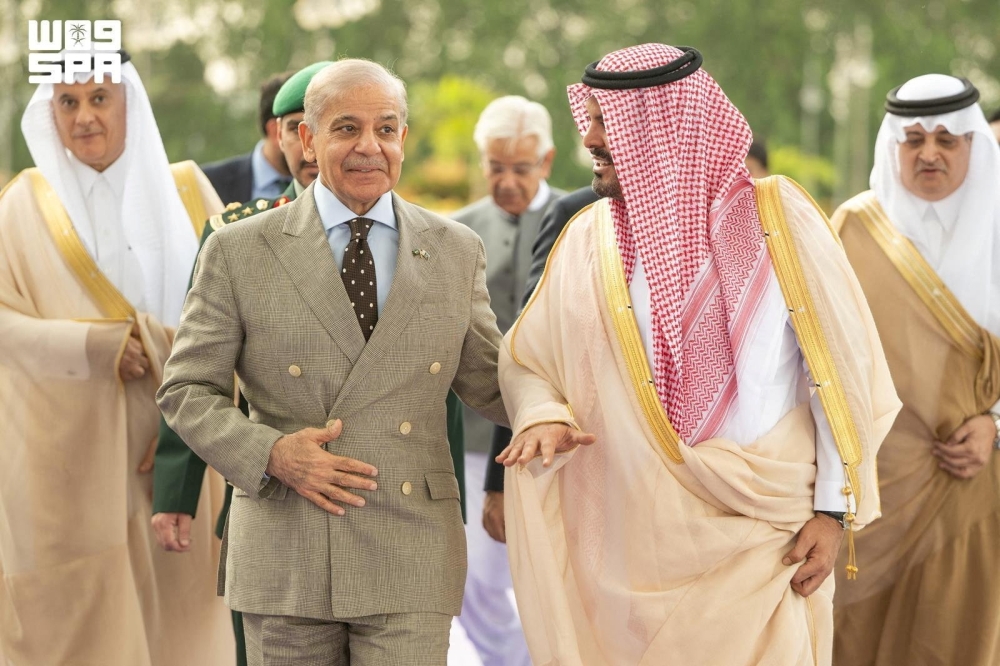
Pakistani Prime Minister Shehbaz Sharif, accompanied by powerful army chief Asim Munir, arrived in Jeddah on Thursday and performed the Umrah pilgrimage in Mecca. Turkish President Tayyip Erdogan departed for Jeddah on Friday.
They will meet Saudi Crown Prince Mohammed bin Salman, whose country has been repeatedly struck by Iran, as well as by Ansar Allah in Yemen and militia in Iraq, since the war began on February 28.
The conflict has also exposed Gulf states' security vulnerabilities and disrupted shipping in the Strait of Hormuz, through which a fifth of global oil and liquefied natural gas transited prior to the war.
Their pact follows nearly a year of negotiations, reported by Reuters in January, when Turkish Foreign Minister Hakan Fidan said Ankara favoured a broader regional security platform to promote cooperation and stability. An existing Saudi-Pakistani pact treats an attack on either as an attack on both and encompasses "all military means", a Saudi official previously told Reuters. In practice, Pakistan has sought to avoid becoming militarily entangled in the Iran war, instead opting to try to mediate with Iran.
The Pakistani military and government did not immediately respond to requests for comment. However, the foreign ministry confirmed the visit to Saudi Arabia and described it as "consolidating" ties with the kingdom. Army chief Munir shapes Pakistan's foreign and security policy.
Oman Observer is now on the WhatsApp channel. Click here