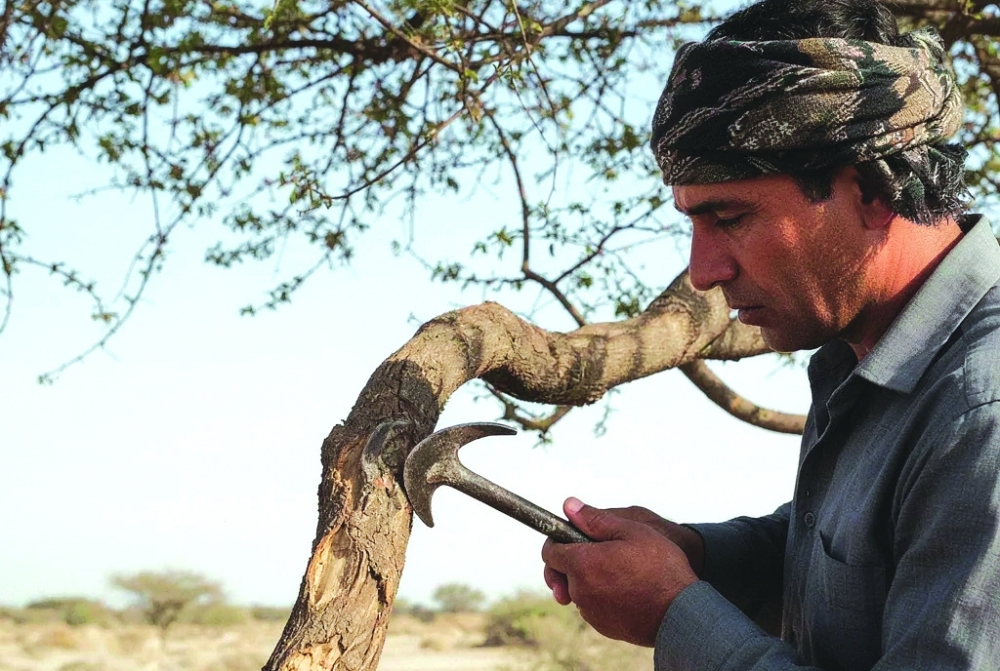





Every year, in late June, by the time the Khareef starts to extend its green blanket and diffuse its earthy mist into Dhofar, the region's frankincense season is technically already over for the year. The scene of the harvester slicing a tree's bark with a curved blade has vanished as the monsoon arrives to cover the sky with rainy clouds, belonging to the weeks before the monsoon, when Dhofar's dry hinterland still bakes and its skies are clear, when the Boswellia sacra trees are at their most productive. It's one of Oman's oldest agricultural traditions, which runs almost opposite to the one most summer visitors come for.
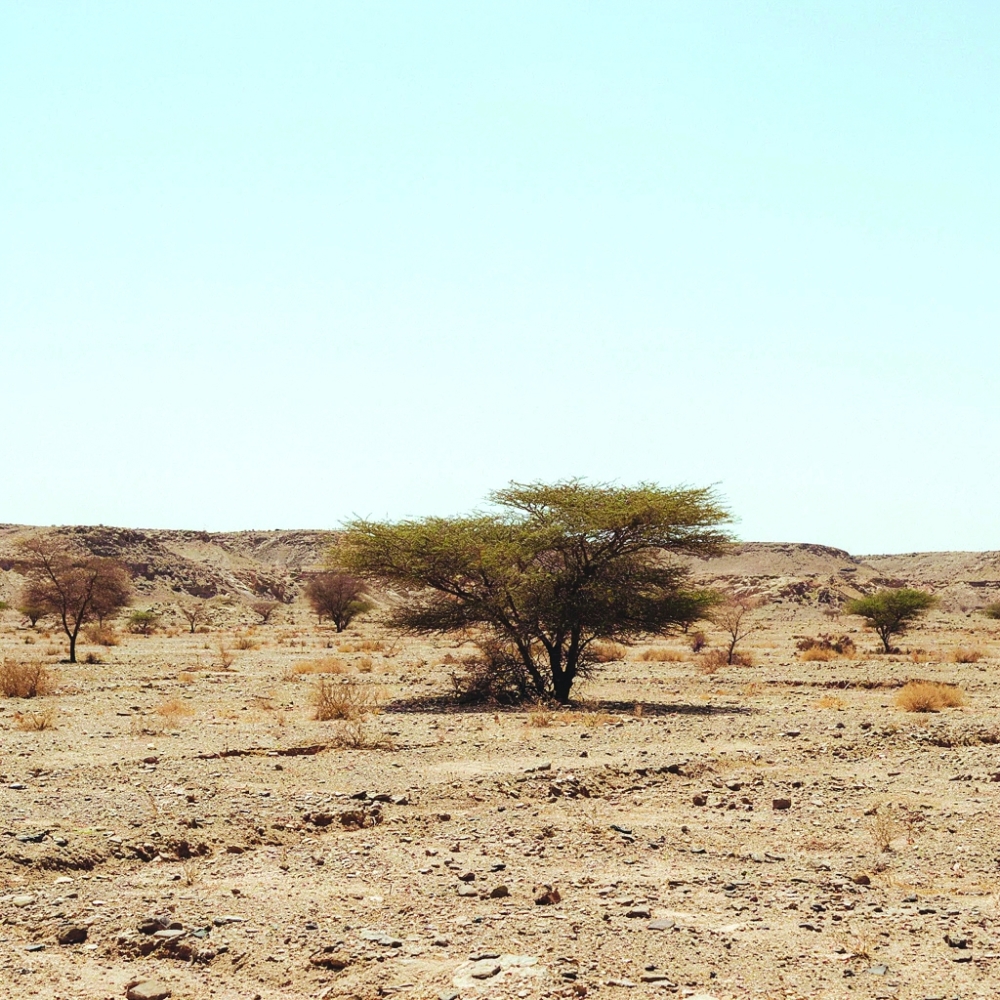
Boswellia sacra grows in the dry land behind Dhofar's monsoon mountains, strategically located close enough to benefit from the cool winds that the Khareef pushes inland. At the same time, it grows far enough to avoid the actual rain, which could affect its quality, as trees that do get soaked by the monsoon produce a noticeably inferior grade of resin.
Today, and almost as it has been for three thousand years, frankincense is still graded by the Dhofar microregion in which a tree grew and how far it sat from the reach of the monsoon's moisture.
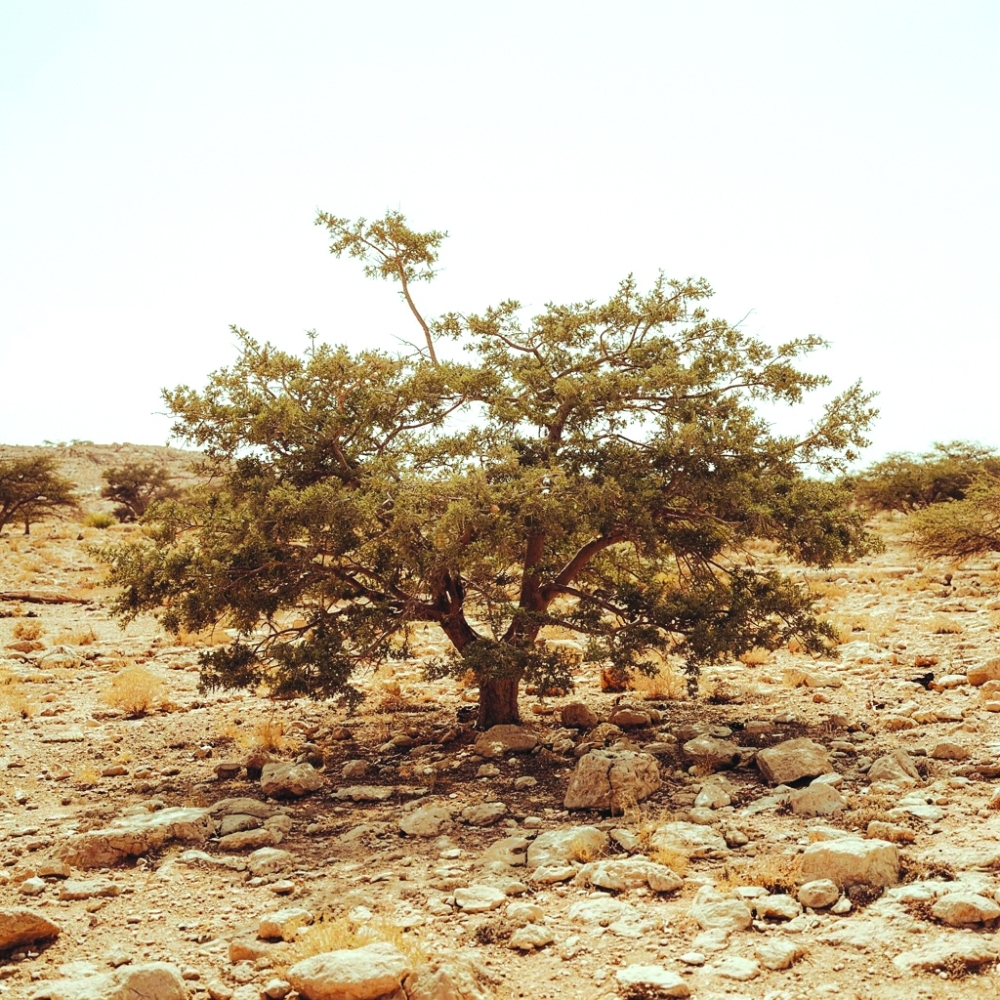
One of the famous sites in Dhofar where the largest concentrated grove of wild Boswellia sacra is located is Wadi Dawkah. It is about 40 kilometres north of Salalah, and it features over a thousand of these ancient trees and forms part of the UNESCO-listed Land of Frankincense.
What makes this site more strategic is its location, as it is alongside the ruined trading port of Khor Rori and the archaeological park at Al Baleed, both of which once shipped Dhofari resin as far as the Mediterranean and China.
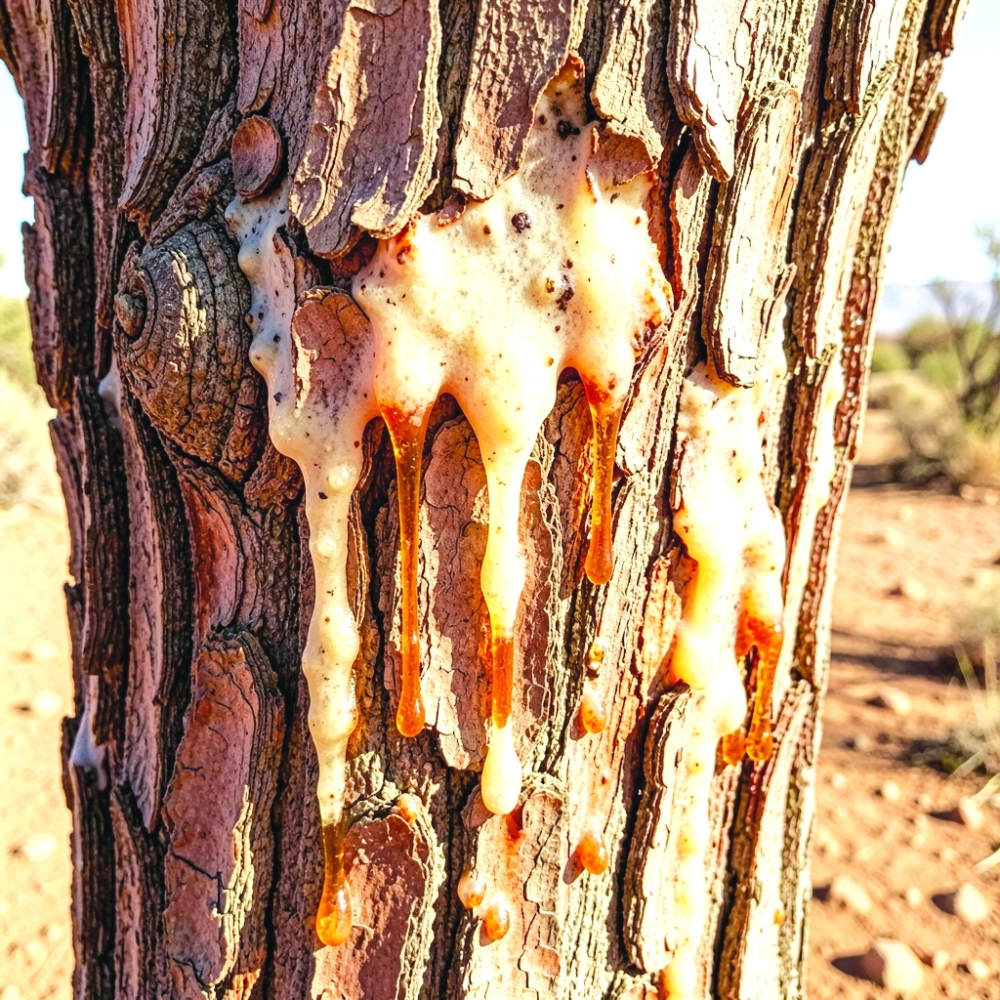
As much as the site and location are important for the growth of the Boswellia sacra, the way of collection is as well. Harvesters make a series of shallow incisions, which are called “signatures”, across a tree's papery bark, starting at the base of the trunk where the wood is strongest and resin production is highest, using a tool called a manghaf.
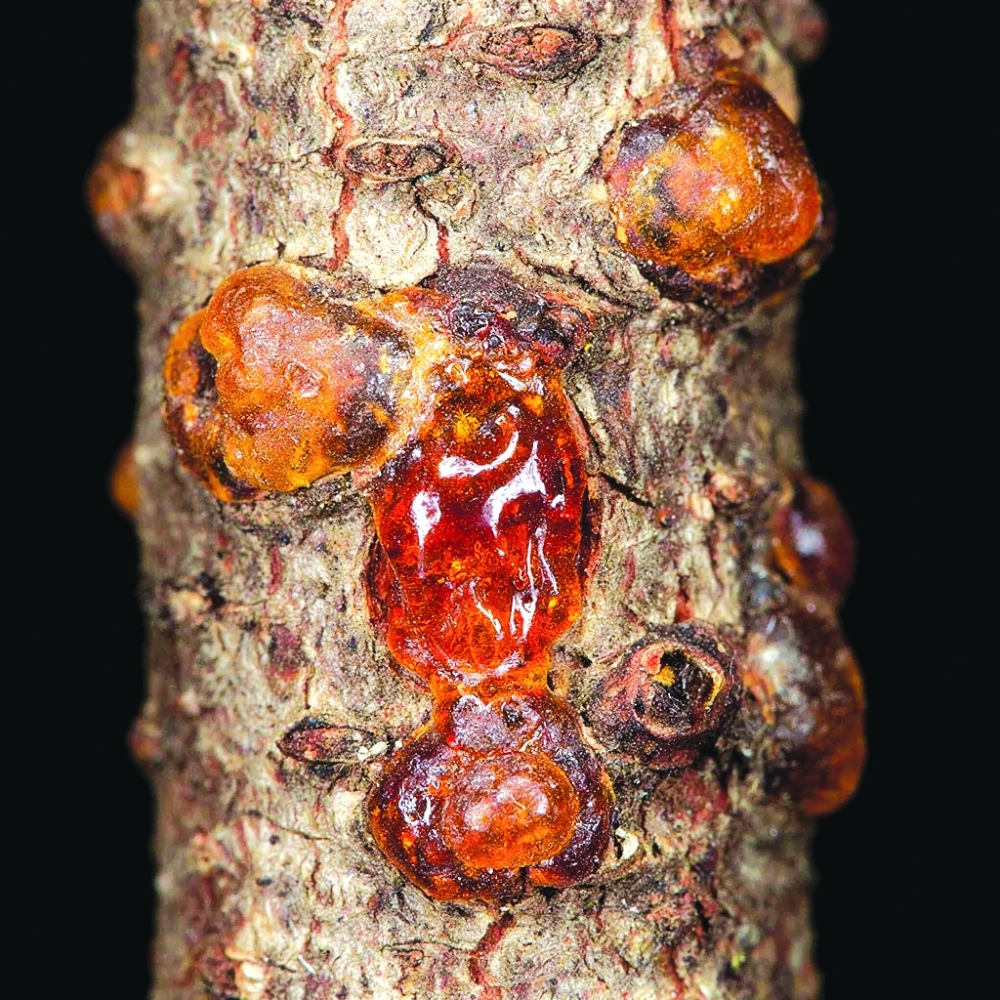
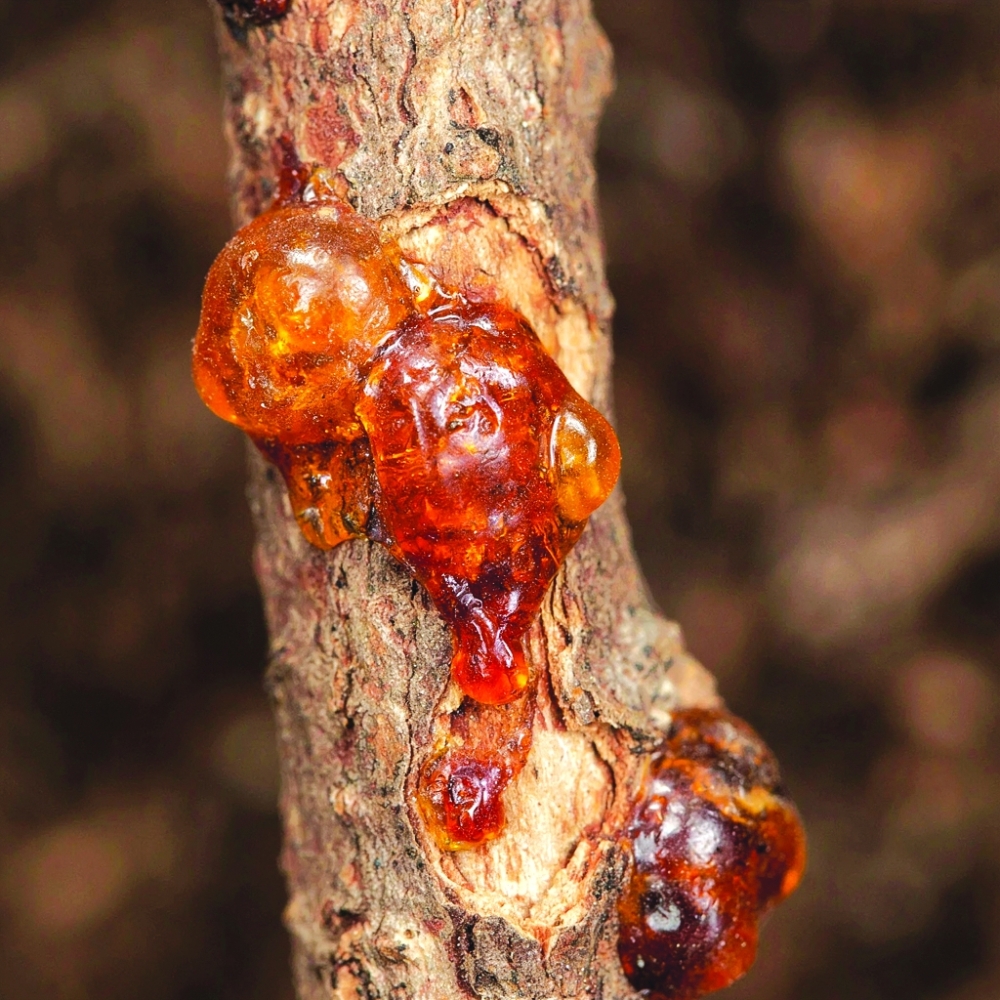
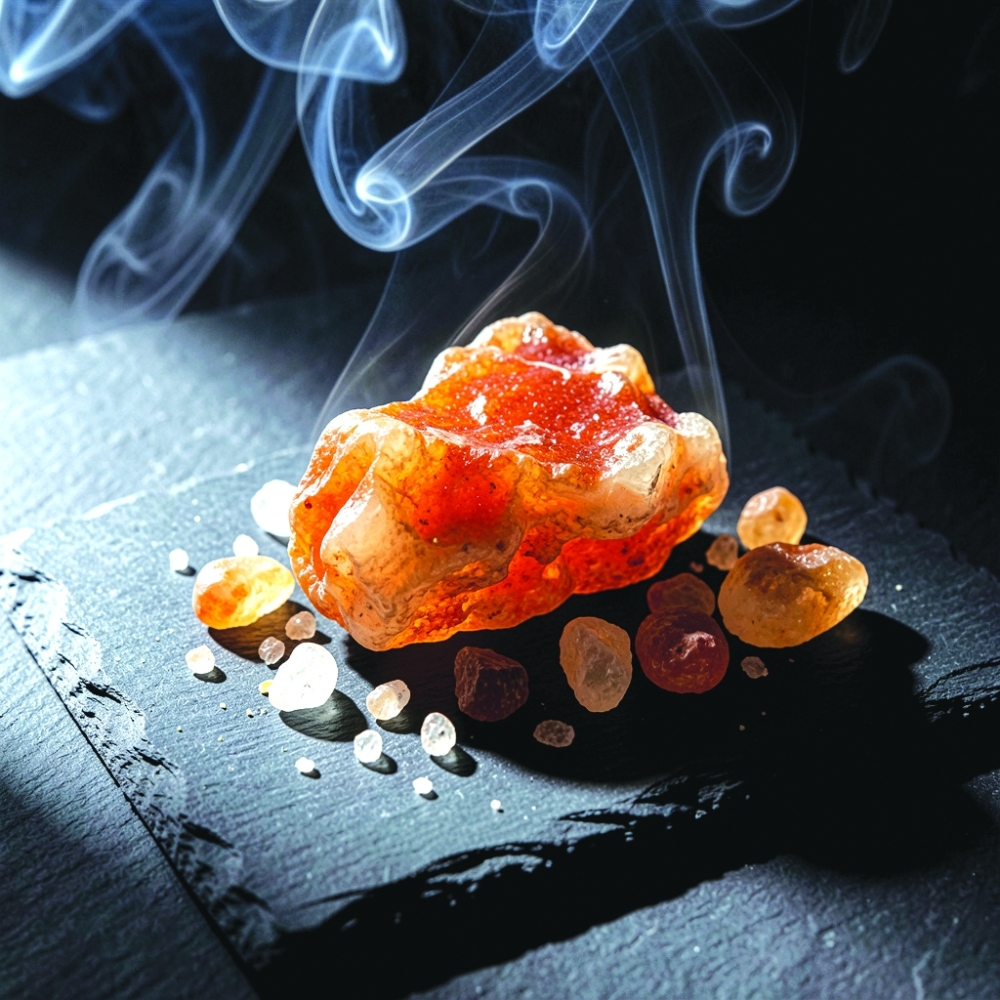
The resin bleeds out as a milky sap and gets harder over the following weeks into amber-coloured tears. Then, the tears are collected, cleaned by hand of bark and sand, and graded by colour and clarity. The rarest tears are the ones that are pale and faintly greenish, and they command the highest prices.
The management of these sites is more than an inherited custom and local personal efforts. In 2022, Oman's Ministry of Heritage and Tourism partnered with the Omani perfume house Amouage to take custody of Wadi Dawkah. They geo-tagged individual trees, retrained the irrigation regime after years of overwatering had rotted some roots, and built a fully traceable supply chain from a specific tree's resin through to finished perfume.
This intervention is a modern overlay on a harvesting method that hasn't fundamentally changed since antiquity. Systematic harvesting is an old system in Dhofar. Classical writers, including Pliny the Elder, and later travellers documented two distinct harvesting seasons in ancient Dhofar: a spring harvest and an autumn harvest, the latter being close to the Khareef itself and traditionally producing the whiter, more prized resin.
While most people plan to visit Dhofar during the monsoon, when Wadi Dawkah stands as a backdrop that everyone photographs, months before, typically April through June, the site is a place to step and see harvesters at work, making their unhurried rounds among trees that, in some cases, have been tapped the same way for centuries, racing nothing more urgent than the arrival of rain, which most people are waiting for while the harvesters are trying to avoid.
Oman Observer is now on the WhatsApp channel. Click here