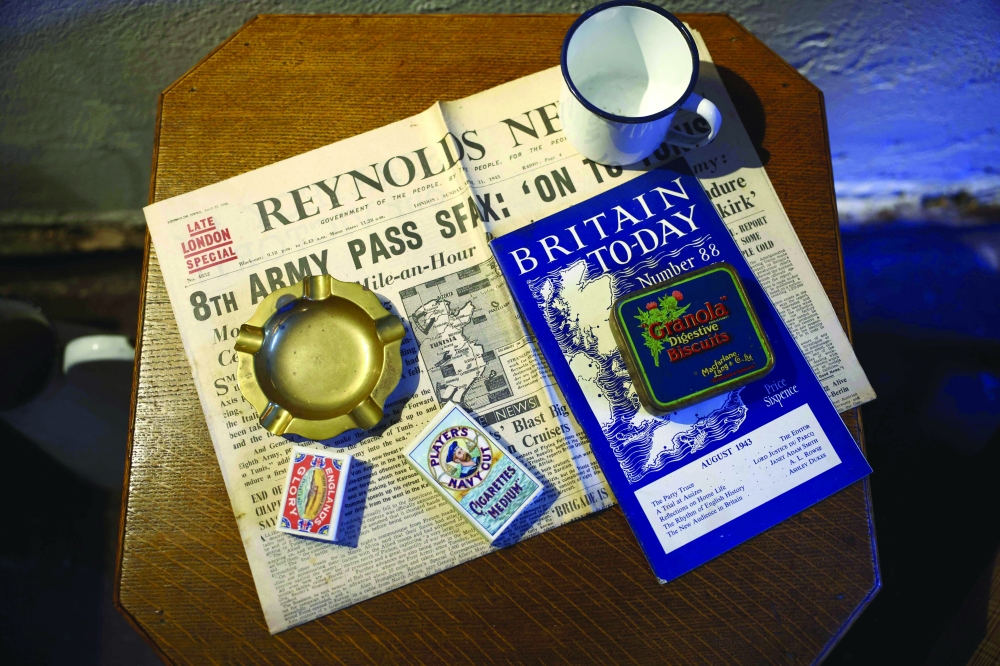





Nazi generals enjoyed drinking and being relaxed in elegant rooms while, downstairs in the basement, a team of covert listeners followed their conversations and gathered vital information about Germany’s war plans.
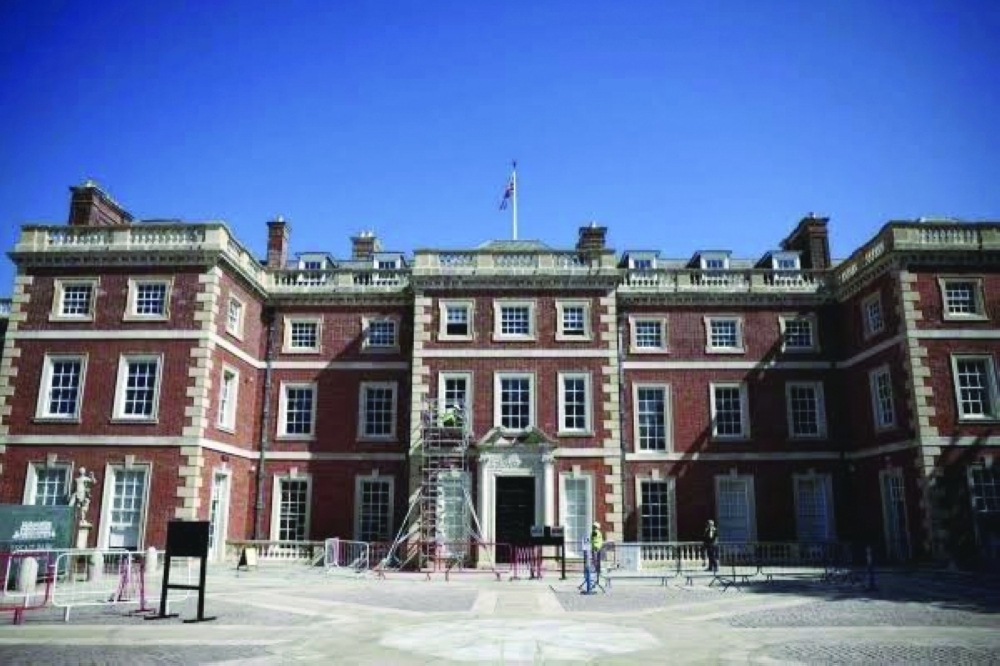
During the Second World War, Trent Park, a country house north of London, was converted into a camp for high-ranking German prisoners of war.
It has now become a museum called Trent Park House of Secrets, highlighting the role of the German-speaking listeners, most of whom were Jewish refugees, who transcribed information from the prisoners’ bugged conversations.
“Trent Park is one of a network of intelligence houses, let’s call them, the most famous of them being Bletchley Park”, museum director Giuseppe Albano said.
Bletchley Park, depicted in the Oscar-winning film “The Imitation Game”, was where mathematician Alan Turing helped crack the code used for encrypted Nazi messages.
Albano said Trent Park was equally significant in terms of the military intelligence gathered and used by the British government to shorten the war. The intelligence collected there was shared with Bletchley Park.
The decision to accommodate Nazi generals in comfort and encourage them to speak freely was a “brilliantly devious strategy”, Albano said.
Trent Park was known for its fashionable interiors during the 1930s, when it belonged to a wealthy politician whose guests included Charlie Chaplin and Winston Churchill.
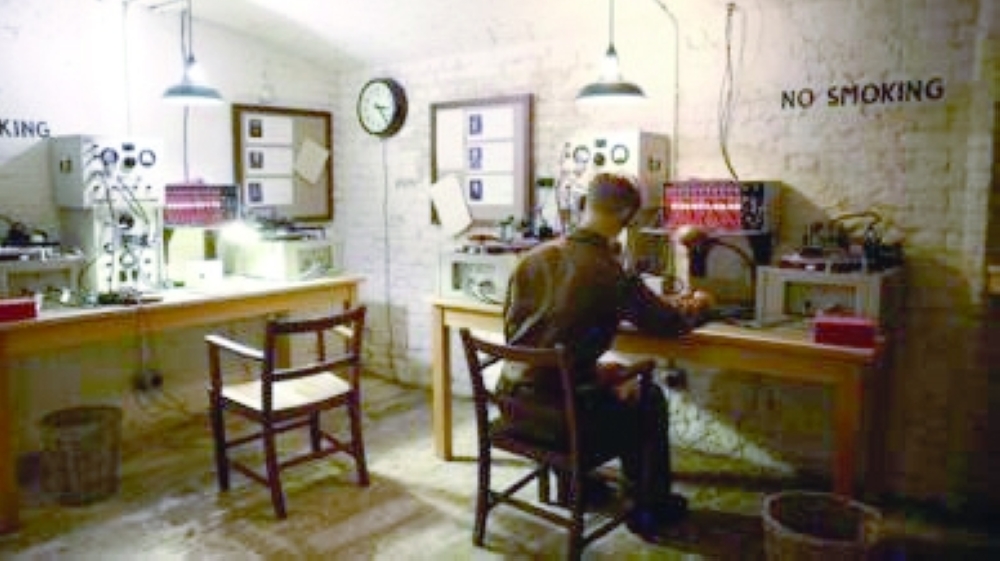
During the war, the government handed the property to a top-secret military intelligence unit. Engineers installed hidden microphones throughout the house and even in the garden. These were connected to listening equipment in the servants’ quarters, which was monitored around the clock.
A total of 84 generals and 22 lower-ranking officers were held at the house, known as No. 11 Camp, between 1942 and 1945. They were served by valets and were even permitted to take day trips.
Among them was General Dietrich von Choltitz, the last Nazi commander in Paris, who arrived in August 1944 after defying Hitler and surrendering the city.
Unaware that they could be heard near windows and in the garden, the prisoners revealed secrets including details about the development of the V-2 ballistic missiles. The information helped Britain bomb the research facility and delay the rockets’ use.
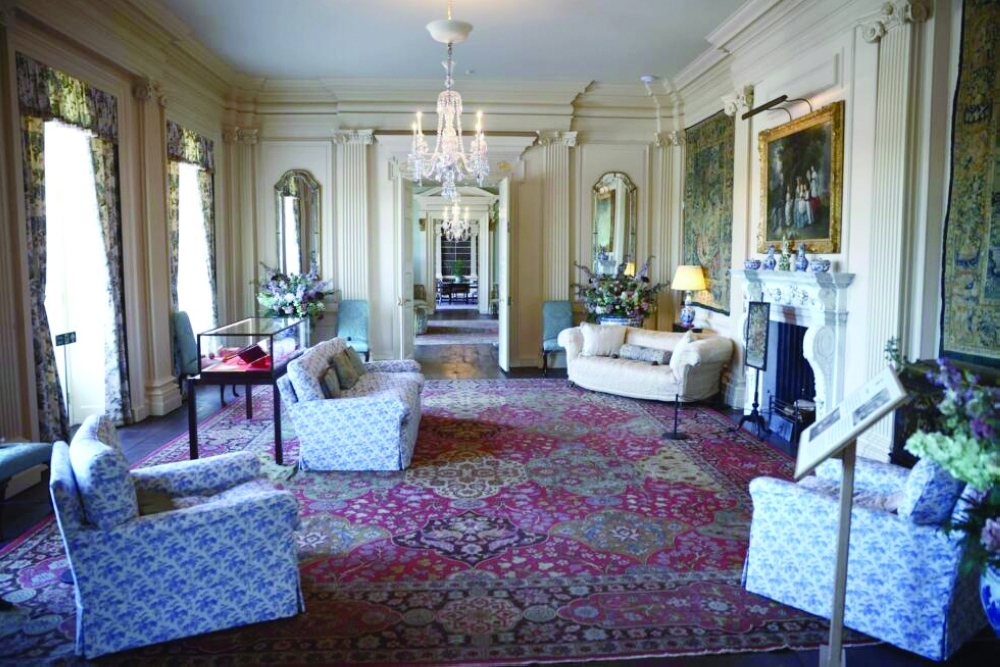
The government removed the microphones after the war, although some wiring remained and is now displayed at the museum. Visitors can also enter recreated listening rooms and hear actors read extracts from the recorded conversations.
The transcripts were later released to the National Archives, but Albano said “some things are still classified”.
Adam Ganz, author of the BBC radio play “Listening to the Generals”, welcomed the recognition given to the covert listeners. His father, Peter, was recruited after fleeing Germany, where he had been detained in the Buchenwald concentration camp.
The Oxford professor never spoke publicly about his wartime work, but Ganz said, “I think it was something he was proud of, committed to”.
Although the listeners were trusted with highly sensitive information, their contribution remained unknown at a time when refugees faced widespread hostility.
“It’s important and valuable that that contribution is being recognised,” Ganz said.— AFP
Oman Observer is now on the WhatsApp channel. Click here