The writer is a Muscat-based economic analyst who previously worked for CBO and OCCI.
Since the early 1970s, the Sultanate of Oman, the Gulf Cooperation Council (GCC) countries, and several other Arab states have relied heavily on expatriate workers to support their businesses, government institutions, households, and farms. This dependence has continued despite sustained efforts to increase the employment of national citizens. In some GCC countries, expatriates account for more than 90 per cent of the total population.
The Philippines is among the leading countries that train and prepare their workforce for overseas employment, particularly in the Gulf region. Filipino men and women are employed in a wide range of occupations and are present in many Omani and Gulf companies as well as in private households. Given the scale of this labour migration, both sending and receiving countries face numerous challenges, making it essential to establish government institutions dedicated to protecting the rights of both workers and employers while facilitating recruitment, deployment, and repatriation procedures.
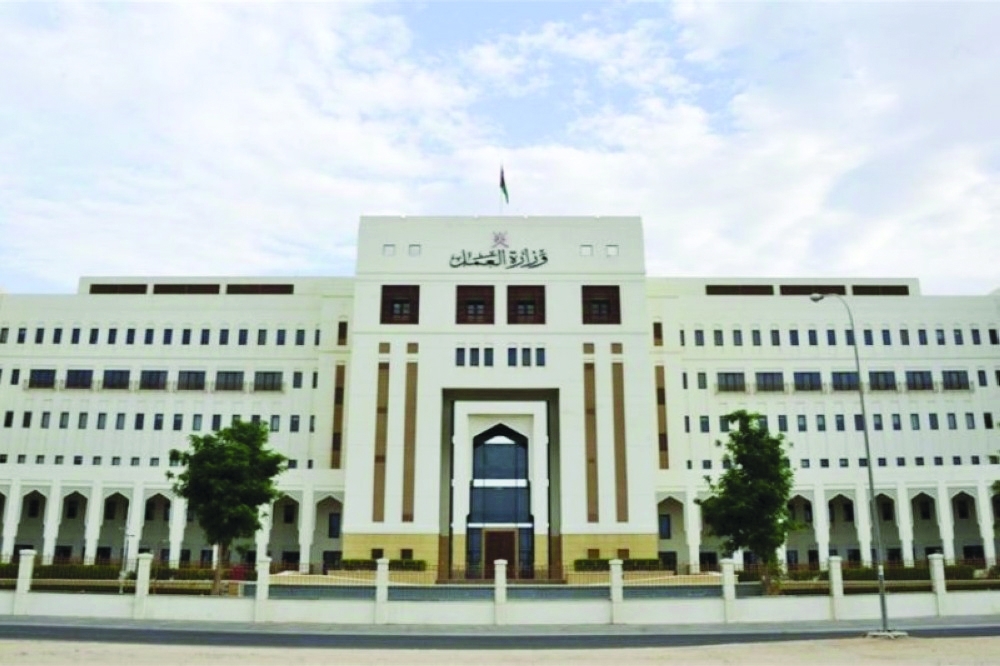
Recently, the Omani Ministry of Labour inaugurated its representative office in the Republic of the Philippines as part of the government's efforts to strengthen the labour recruitment system and enhance the efficiency and reliability of pre-departure procedures.
The flow of expatriate workers from various nationalities continues to grow. According to the National Centre for Statistics and Information (NCSI), the number of expatriate workers in Oman reached approximately 1.81 million in May 2025. The total number of non-Omani residents, including family members, stood at around 2.3 million, representing more than 43 per cent of the country's total population, which exceeded 5.5 million.
Among expatriate communities in Oman, the Philippines ranks fifth in terms of workforce size by position 45,000 residents while Bangladesh occupies the first position with approximately 627,000 residents, followed by India with around 506,000, Pakistan with about 321,000, while the remaining expatriate population comes from various other countries.
Expatriate workers contribute significantly in many fields and services, including household work and private caregiving. However, the large expatriate workforce also presents several economic, demographic, administrative, and social challenges, while demographically, the high proportion of expatriates affects population balance, increases pressure on public services in densely populated areas, and cases of illegal employment, and challenges related to education, cultural integration, and social values.
Recognizing both the benefits and challenges of expatriate labour, Oman and other GCC countries continue to pursue a balanced approach that maximizes the economic advantages of foreign workers. This strategy includes increasing workforce localization across economic sectors, attracting highly skilled foreign professionals, reducing dependence on low-skilled labour, expanding the use of digital transformation, artificial intelligence, and automation, and investing in the education and training of national talent in line with the needs of the future economy.
There is no doubt that establishing representative labour offices in major labour-sending countries will strengthen labour market governance by ensuring a better balance between economic development requirements, employment opportunities for citizens, and long-term social and demographic stability.
The decision by the Ministry of Labour to establish a representative office in the Philippines, with plans to expand to other labour-exporting countries, reflects its commitment to strengthening its international presence and deepening cooperation with government agencies and vocational training organizations. These partnerships are expected to support human capital development initiatives, facilitate the exchange of expertise and best practices in skills development and workforce qualification, and ensure that Oman's labour market remains aligned with the objectives of Oman Vision 2040 and the country's future economic aspirations.
Oman Observer is now on the WhatsApp channel. Click here