




It has been a big couple of years for cervical cancer screening: New testing options have arrived, and recommendations have shifted. Doctors hope the changes will help reduce cases of the cancer, a persistent cause of preventable death.
Cervical cancer can be avoided with testing for precancerous cells and, even better, with vaccines to prevent human papillomavirus, or HPV, which causes most of the cell abnormalities. Yet more than 250,000 people a year still die from cervical cancer, including about 4,000 in the United States.
Long-standing barriers, including disparities in access to care, contribute to this, said Dr. Kathy MacLaughlin, an associate professor of family medicine at the Mayo Clinic. Some patients, including many survivors of sexual assault, find pelvic exams intolerable and may not realize alternatives are available.
But getting screened doesn’t have to be painful or confusing.
What are the options?
Historically, the standard screening for cervical cancer was a Pap smear, in which cells are scraped from the cervix and examined for cancer or precancerous changes. While lab techniques have evolved, the same basic test, technically known as cervical cytology, is still common.
But over decades, learning about the relationship between cervical cancer and HPV opened a new door. Not everyone with HPV will get cancer, but almost everyone with cervical cancer had a persistent HPV infection first, so testing for it can identify risk earlier.
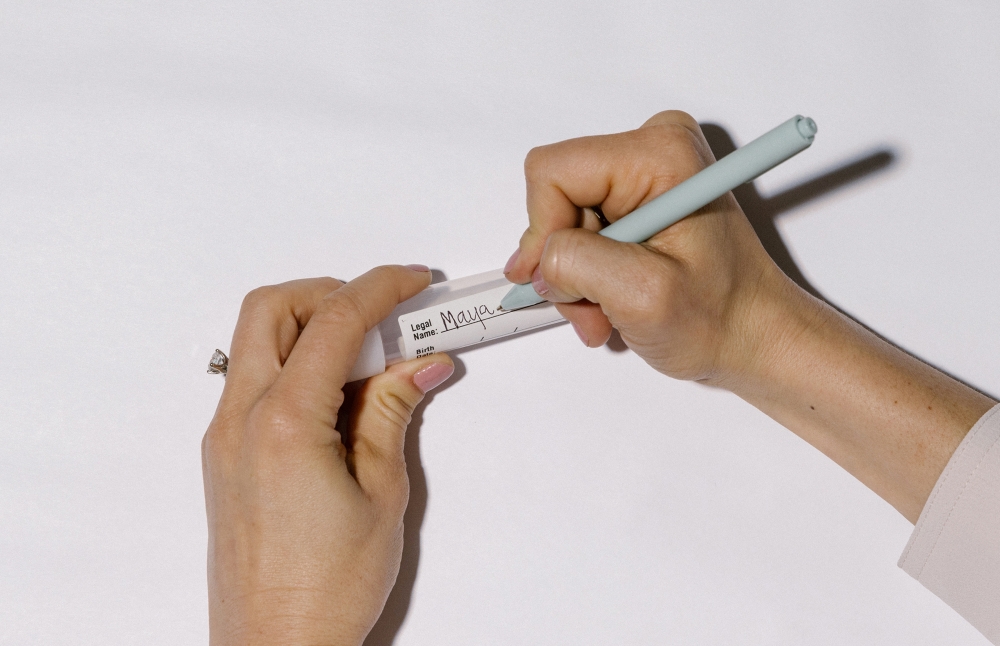
While cytology samples have to be collected by clinicians, samples for HPV testing can be collected from the cervix by clinicians or from the vagina by patients. The Food and Drug Administration approved self-collection tools in 2024 for use in doctors’ offices and in 2025 for use at home, and studies have found they have comparable accuracy to clinician-collected tests.
Which one is best?
Everyone who is at risk of cervical cancer — women and transgender people assigned female at birth — should be screened. Once you turn 30, there’s broad agreement that HPV testing is best. It flags the risk earlier, and cytology can lead to more false alarms, said Robert Smith, senior vice president for early cancer detection science at the American Cancer Society.
For patients in their 20s, though, there is debate. Young people often have transient HPV infections that resolve before they can cause harm, so for them, HPV testing can also cause unnecessary alarm, said Dr. Kimberly Gecsi, chief medical officer for specialty practice at the Medical College of Wisconsin.
Gecsi was a co-author of the American College of Obstetricians and Gynecologists’ most recent guidance, which recommends cytology from ages 21 to 29. The Women’s Preventive Services Initiative, whose guidelines are backed by the government, agrees. But the American Cancer Society recommends HPV testing starting at 25.
Don’t stress about this, said Dr. David Chelmow, a professor of obstetrics and gynecology at Virginia Commonwealth University who served on the U.S. Preventive Services Task Force while it developed draft guidelines in 2024. (He is no longer on the task force and said he was not speaking for it.) Both approaches are “incredibly effective at preventing cervical cancer,” he said.
All the major guidelines say self-collection is acceptable. But while the Women’s Initiative considers it equal to clinician collection, ACOG and the American Cancer Society prefer clinician collection when possible.
That’s because patients who test positive for HPV need additional testing. If a clinician took a cervical sample, it can be reused. But follow-up tests can’t be run on self-collected vaginal samples, so those patients have to come back to have them.
If people self-collect but don’t follow up on positive tests, “it hasn’t gotten us anywhere,” said Dr. Akiva Novetsky, medical director of quality and safety in the Department of Obstetrics and Gynecology at Westchester Medical Center, who was a co-author of the ACOG guidelines. But, Novetsky added, self-collection with appropriate follow-up “is far superior” to not testing.
How often should I be screened?
The recommendations vary a bit but are all effective. The disagreements are judgment calls over how to weigh small changes in risk against the costs of false alarms, experts said.
ACOG recommends cytology every three years from ages 21 to 29, and clinician-collected HPV testing every five years from 30 to 65. Patients who self-collect should be screened every three years for now, the guidelines say, because self-collection hasn’t been around long enough to know if it predicts risk for five years.
WPSI recommends cytology every three years from 21 to 29 and HPV screening every five years from 30 to 65.
The American Cancer Society recommends clinician-collected HPV tests every five years or self-collected HPV tests every three, for patients 25 to 65. It doesn’t recommend screening before age 25 because cervical cancer is so rare in that group, especially as more young people are vaccinated against HPV.
These guidelines are for average-risk patients with normal test results. If you’re at higher-than-average risk of cervical cancer or have abnormal results, your doctor may screen you more often.
How long should I keep screening?
All the major guidelines say it’s OK to stop screening after 65 if you’ve had normal tests leading up to that. It’s possible for abnormalities to develop later, but experts say the risk is low enough to justify stopping.
ACOG and WPSI call for two or three normal tests in 10 years before stopping, depending on the type of test, while the American Cancer Society prefers negative HPV tests at ages 60 and 65. Don’t worry about these minor differences; talk to your doctor.
Testing can become harder and more uncomfortable as vaginal tissue changes with age. So Smith urged patients and doctors to be proactive about testing in the years leading up to 65.
This article originally appeared in The New York Times.
Oman Observer is now on the WhatsApp channel. Click here