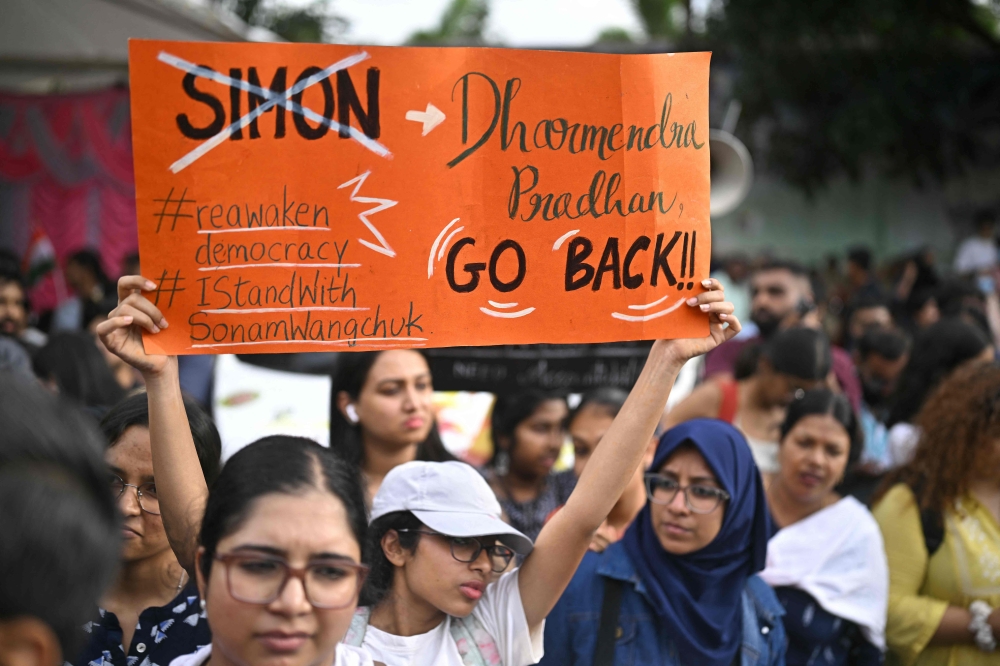
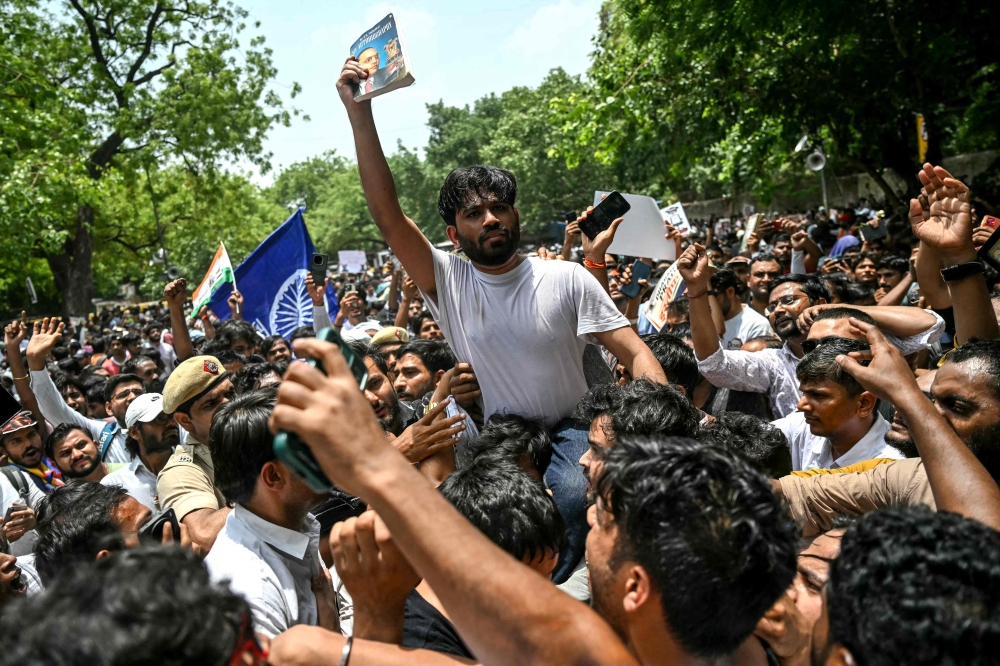
What began as an internet joke has evolved into one of the most significant youth-led protest movements India has witnessed in years. The so-called "Cockroach" movement, organised by the Cockroach Janta Party (CJP), started as a satirical response after India's chief justice referred to unemployed young people as "cockroaches" during a court hearing. Instead of rejecting the insult, Generation Z reclaimed it, transforming a derogatory label into a symbol of resilience and political resistance.
The movement's origins may have been humorous, but the frustrations behind it were anything but. Initially centred on repeated examination paper leaks, cancelled tests and youth unemployment, the protests quickly expanded into a broader critique of government accountability. What distinguishes the Cockroach movement is not simply its demands but the way it has mobilised. Unlike traditional political parties or trade unions, it was born on social media, where memes, short videos and viral posts became powerful tools for political organisation before spilling onto the streets.
This reflects a wider transformation taking place across South Asia. Social media is no longer merely a platform for commentary; it has become a catalyst for political participation. Young people who once felt excluded from formal politics are increasingly using digital platforms to organise demonstrations, challenge official narratives and place pressure on governments in ways that were difficult to imagine a decade ago. India is not the first country in the region to experience this phenomenon.
In neighbouring Bangladesh, students played a pivotal role in organising nationwide protests through Facebook, WhatsApp and other digital platforms. What began as demonstrations over a controversial public-sector job quota system, developed into a broader movement demanding political reform and government accountability. Social media allowed organisers to coordinate protests, document alleged abuses and maintain momentum even when authorities attempted to restrict communication. The protests ultimately contributed to one of the country's most significant political crises in decades.
Nepal has witnessed similar developments. Young activists have increasingly relied on TikTok, Facebook and X to mobilise support around anti-corruption campaigns, governance issues and public protests. Digital platforms have enabled activists to bypass traditional political structures and communicate directly with millions of people, particularly younger citizens who consume most of their news online rather than through conventional media.
Rather than relying on established political parties, they have emerged from loosely organised online communities. Their language is often informal, humorous and highly visual. Memes carry political messages. Viral videos replace campaign speeches and hashtags become rallying cries. While older generations may dismiss these methods as unserious, they have proven remarkably effective at capturing public attention and sustaining participation. The Cockroach movement is perhaps the clearest example of this shift.
Its founders understood that Generation Z engages with politics differently. They communicate through short-form videos, share information almost instantly and use humour to discuss issues that previous generations may have approached more formally. What initially appeared to many observers as an internet trend, gradually developed into mass demonstrations involving tens of thousands of people across India. Protest camps in New Delhi attracted students, professionals and civil society groups, eventually forcing the government to respond to demands for education reform and contributing to the resignation of Education Minister Dharmendra Pradhan.
The Cockroach movement demonstrates that humour can coexist with serious political demands. Reclaiming an insult transformed it into a symbol of solidarity, allowing thousands of young Indians to express frustrations over unemployment, corruption and limited opportunities in a language that resonated with their generation. In doing so, they challenged traditional assumptions about what political participation should look like.
Perhaps the broader significance of India's Cockroach movement lies not in whether every demand is ultimately achieved, but in what it represents. It signals the emergence of a generation that refuses to remain politically passive. Like the youth movements seen in Bangladesh and Nepal, it shows that smartphones have become as important to political mobilisation as public squares once were.
Oman al Yahyai
The writer is a multilingual writer and media professional based in Paris. She specialises in human rights and immigration
Oman Observer is now on the WhatsApp channel. Click here