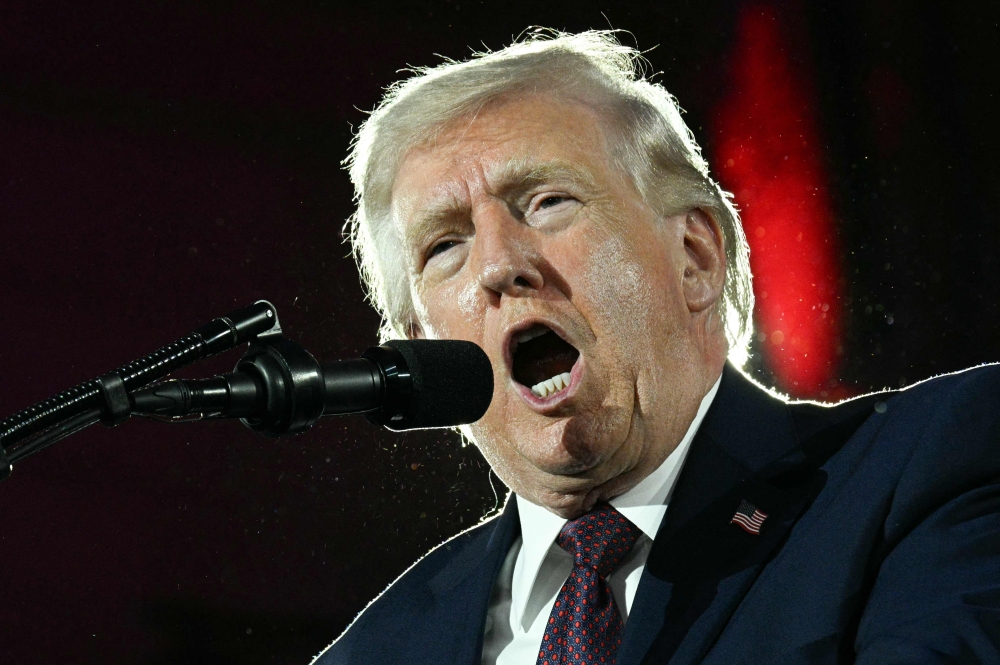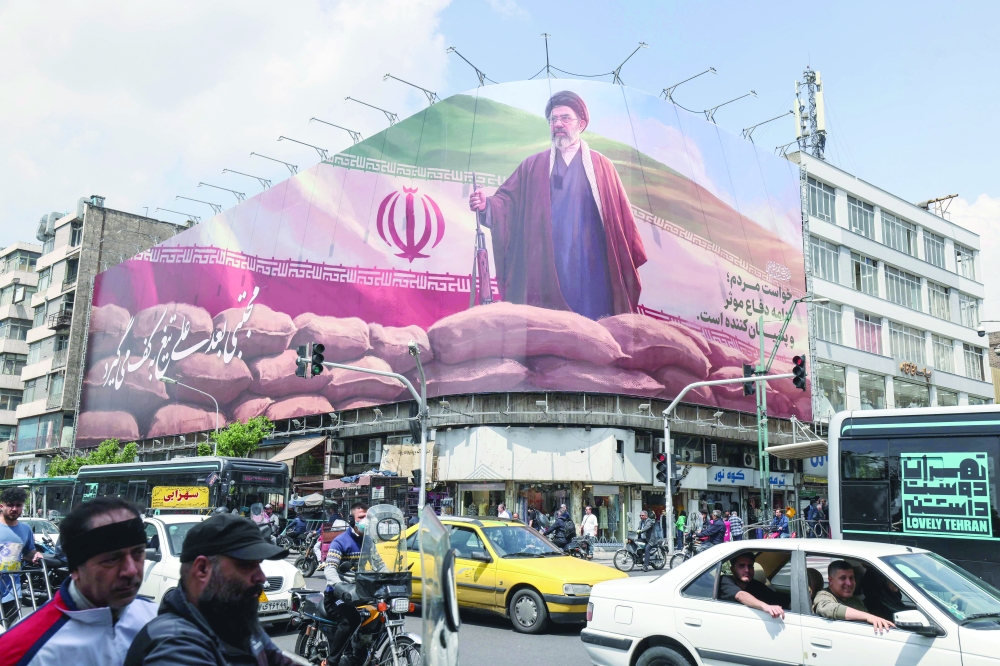





Iran said on Monday there were no talks under way with the United States and no plans for any meetings, contradicting US President Donald Trump, who had cited talks he said would take place that afternoon as justification for calling off attacks.
Last week, Trump repeated a pattern that has emerged throughout the past five months: announcing plans for "massive attacks" on Iran, only to cancel them at the last minute.
"Would I rather make a deal? I'm not looking to kill people", Trump said aboard Air Force One on Sunday.
"Now what we're doing is talking to them, in the form of a negotiation. It begins tomorrow afternoon", he said, without identifying a venue or participants for such talks.
Iranian Foreign Ministry spokesman Esmail Baghaei rejected the statement, saying no negotiations with the United States were taking place and no meetings were scheduled. Iran had no plans to host foreign delegations or send negotiators abroad in the coming days, he said.
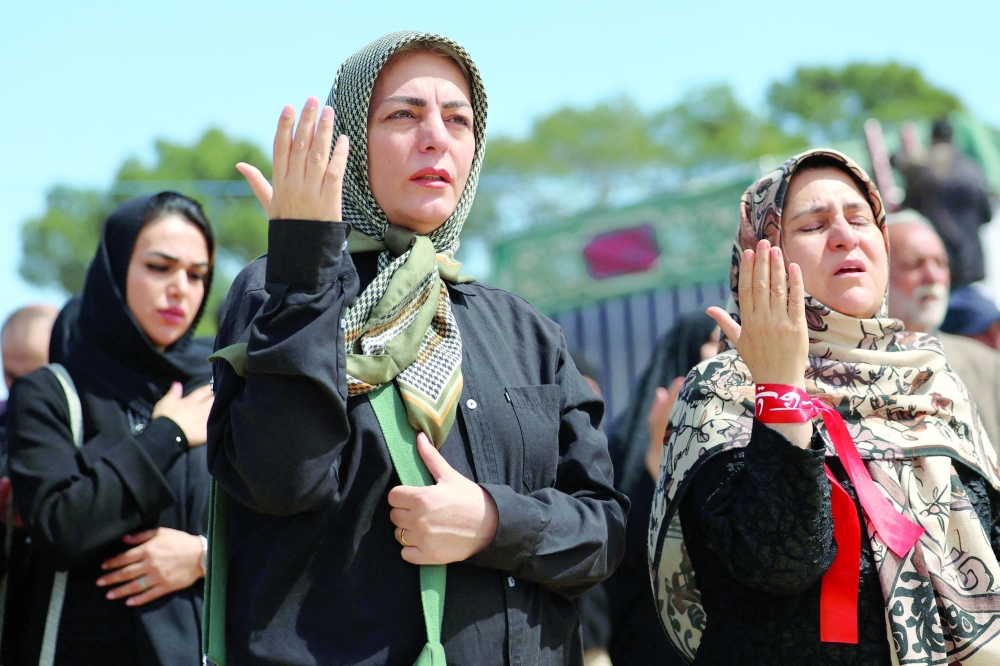
Baghaei added that all Iranian negotiators were currently in the country, apart from Foreign Minister Abbas Araghchi, who was on a religious pilgrimage in Iraq. The only talks under way, he said, were discussions over management of the Strait of Hormuz.
A senior Iranian source also said that no talks were planned and that Araghchi would be unavailable at least until the end of the week.
In a post on Truth Social later on Monday, Trump called Iran's leadership "unbelievably duplicitous", saying they had asked for a meeting and more talks were scheduled for the "immediate future".
He also repeated his assertion that the US Navy had total control over the Strait of Hormuz, through which a fifth of global oil and liquefied natural gas flowed before the conflict.
'The United States Wall of Steel!' Nothing gets through to Iran, unless we want it to and nothing will get through, unless a Deal, or Total Surrender, is accomplished", he wrote.
Monday's developments appeared to fit a pattern that has emerged since Trump launched "Operation Epic Fury" alongside Israel more than five months ago. On several occasions, Trump has threatened military action only to later cite diplomatic contacts as a reason for stepping back.
Iran, however, has publicly rejected negotiations with Washington since a June memorandum of understanding aimed at ending the conflict collapsed in early July.
Repeated US escalations have been met by escalating Iranian responses against US forces in the region, Washington's allies and shipping, each time ending with Trump stepping back.
The dispute over the Strait of Hormuz remains a central point of contention. Washington says the June memorandum required Iran to open the strategically vital waterway, while Tehran argues the text explicitly preserved its authority over shipping traffic.
That would leave Tehran with greater leverage over the strait than before the war, a result that would likely be seen as a significant setback for Trump. SEE ALSO P6
Oman Observer is now on the WhatsApp channel. Click here